Top Landscaping Services in Topsham, ME, 04086 | Compare & Call
There are 151 landscaping companies server in Topsham ME
At CAMS in Belfast, our work is a personal legacy. The passion for turning wrenches and solving mechanical puzzles started in my youth, watching and helping my dad in the garage. That hands-on experie...
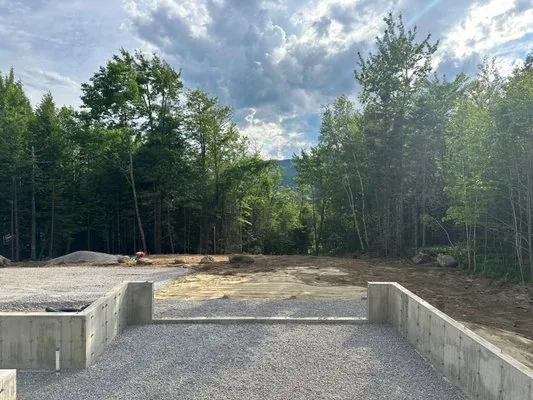
Down Home Designers is your trusted Greenwood, ME partner for comprehensive home improvement, from new construction to thoughtful remodeling. We blend general contracting, interior design, and landsca...
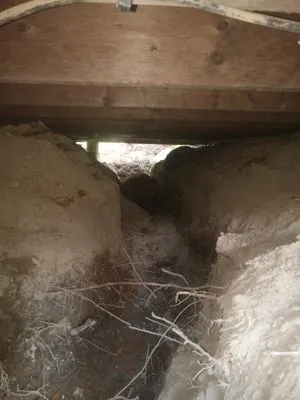
B Bell Property Service is a trusted Casco, ME-based provider specializing in comprehensive tree, lawn, and masonry services. Serving the local community, we address common landscaping challenges like...
McKenney Tree & Landscaping is a trusted local landscaping company serving Richmond, ME, and surrounding areas. With deep roots in the community, we specialize in addressing common local landscaping c...
Job Companions - The Handymen is a trusted local service in Woolwich, ME, specializing in handyman work, landscaping, and home cleaning. We understand that Woolwich homeowners frequently face landscap...
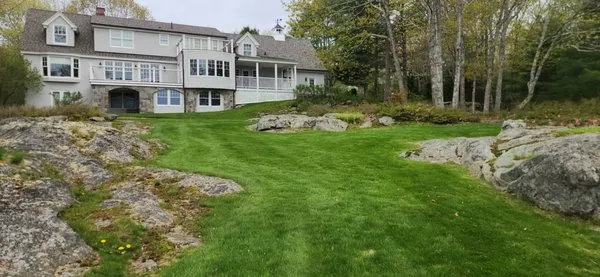
RA Mowing is a locally owned and operated outdoor services business run by Rikk, a lifelong Mainer. Born in Ellsworth and having built his business in the Bath-Brunswick area, Rikk and his wife recent...
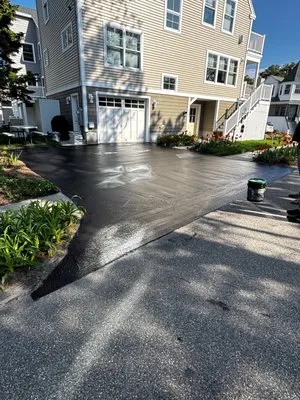
Mitchell Rivard is the owner of Rivard Sealcoating & Property Maintenance, a family-run business serving southern Maine with three generations of experience and now training the fourth. Founded on the...

Myers Property Maintenance is a trusted, full-service provider serving Waterville and the surrounding communities. We specialize in property management, handyman services, and comprehensive lawn care,...
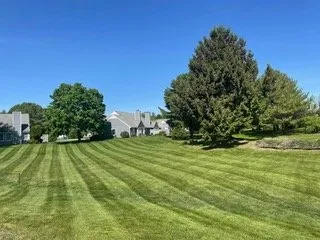
Hancock Equestrian
Hancock Equestrian in Brunswick, ME, brings a unique perspective to landscape design, focusing on creating healthy, resilient outdoor spaces tailored to the local environment. We understand the common...
Cypress Landscaping & Consulting is a Freeport-based landscaping company dedicated to solving the common yard challenges faced by local homeowners. We specialize in addressing issues like rock garden ...
Estimated Landscaping Service Costs in Topsham, ME
Common Questions
Our Topsham Village lawn struggles despite fertilizer. Could the soil itself be the problem?
Properties built around 1980, like many here, have soils with approximately 45 years of development. The prevalent acidic sandy loam naturally compacts over decades, restricting root growth and water infiltration. This compaction reduces permeability, exacerbating seasonal saturation issues. A core aeration program, combined with top-dressing compost, is critical to rebuild soil structure and organic matter for long-term health.
A storm dropped limbs across our driveway. How quickly can an emergency crew arrive?
For urgent storm response, crews can typically mobilize to Topsham Village within the 20-30 minute peak response window. The standard dispatch route from our central staging near the Topsham Public Library uses I-295 for efficient access. We prioritize safety clearances and HOA compliance issues to restore access and mitigate hazard first, with detailed debris removal following.
Our yard stays soggy long after snowmelt. What's a permanent solution for this wet soil?
High seasonal saturation in acidic sandy loam is often due to a compacted plow pan or clay layer inhibiting percolation. Installing a French drain system tied to a dry well addresses subsurface water. For surfaces, using permeable concrete pavers or local granite set in a gravel base increases infiltration, helping manage runoff to meet Topsham Planning Department standards and reduce frost heave damage.
Do we need a permit to regrade our half-acre lot to fix a drainage issue?
Yes, significant regrading on a 0.45-acre lot typically requires a permit from the Topsham Planning and Development Department to ensure compliance with erosion control and stormwater ordinances. Furthermore, this work must be performed by a licensed professional. The Maine Department of Agriculture, Conservation and Forestry licenses site work contractors, which is mandatory for projects altering water flow patterns to protect adjacent properties and watersheds.
We want to reduce mowing and gas equipment noise. What are ecological lawn alternatives?
Transitioning turf areas to a native plant community is a forward-looking solution. A matrix of Lowbush Blueberry, Canada Serviceberry, and Joe-Pye Weed provides year-round interest, supports pollinators, and requires no weekly mowing. This xeriscaping approach drastically reduces maintenance, aligning with evolving noise ordinances that restrict gas-powered blowers and mowers, while exceeding 2026 biodiversity benchmarks.
An invasive vine is overtaking our hedges. How do we remove it without harming native plants?
First, identify the species; common culprits like Oriental Bittersweet require specific treatment. For woody vines, cut the stem and apply a targeted herbicide to the fresh cut in late summer, avoiding broadcast spraying that violates the statewide phosphorus ban. Manual removal of root systems is essential, followed by replanting with competitive natives like Highbush Blueberry to prevent reinfestation.
How can we maintain a healthy Kentucky Bluegrass lawn with Topsham's water conservation standards?
Smart drip irrigation with soil moisture sensors is the key technology. These systems apply water directly to the root zone of your grass mix, eliminating evaporation loss from sprinklers. The sensors prevent irrigation during or after rain, aligning with municipal conservation by using actual evapotranspiration (ET) data. This method maintains turf health while reducing total water usage significantly below traditional spray systems.
Is local granite or pressure-treated wood better for a new patio that will last?
Local granite is superior for longevity and ecological function in Maine's climate. It requires no chemical treatments, won't rot or warp, and its thermal mass moderates temperature swings. For properties in Moderate WUI Zone 2, granite provides critical non-combustible defensible space. When set with permeable joints, it also manages stormwater more effectively than solid wood decks, adding site resilience.
