Top Landscaping Services in Swanville, ME, 04915 | Compare & Call
There are 54 landscaping companies server in Swanville ME
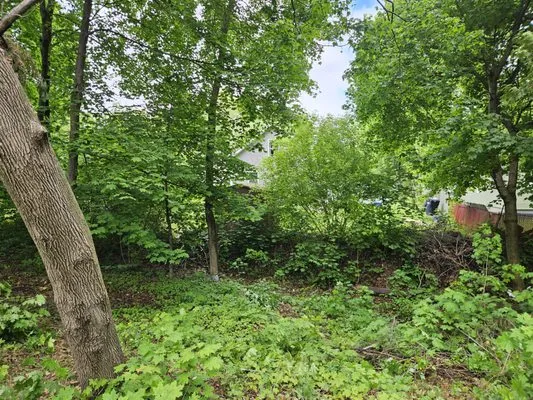
Tree Gone & More is a trusted tree service and property care company serving Winterport, ME, and the surrounding area. We provide professional tree work, including removal, pruning, cabling, and trans...
A&J Handyman Services is your trusted local expert in Sebec, ME, offering comprehensive solutions for both indoor and outdoor home maintenance. We specialize in lawn care, demolition, and painting ser...
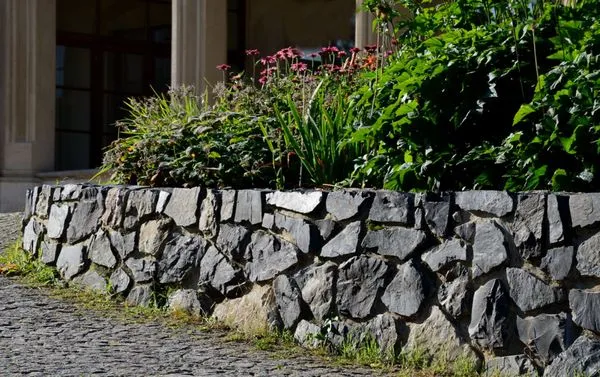
Mariner Property Services is a Castine-based property maintenance company specializing in excavation, landscaping, and handyman services for coastal Maine homes and businesses. We understand the uniqu...
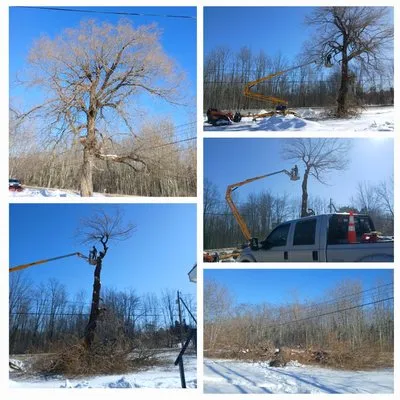
The Stump Guy is your trusted local tree service and landscaping expert in Lincolnville, ME. We specialize in resolving common local landscaping challenges like tree root lawn damage and unsightly bar...
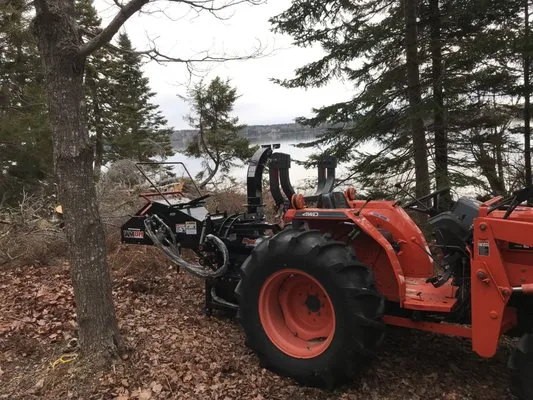
Downeast Tractor Service in Steuben, ME, is a locally owned and operated landscaping business that started from humble beginnings. In 2008, the owner purchased a tractor for personal use to manage 30 ...
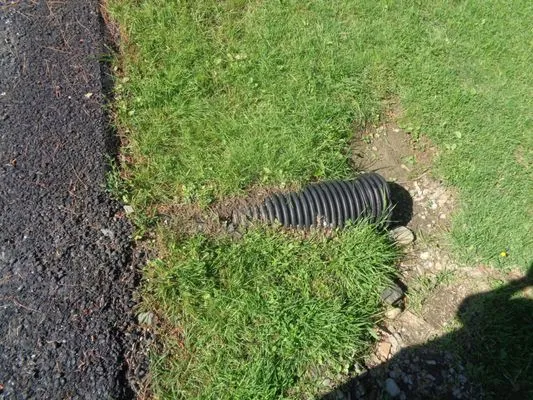
Serving Corinna and surrounding areas, Shorettes Driveway Maintenance is a full-service landscaping and excavation company dedicated to building and maintaining durable, functional outdoor spaces. We ...
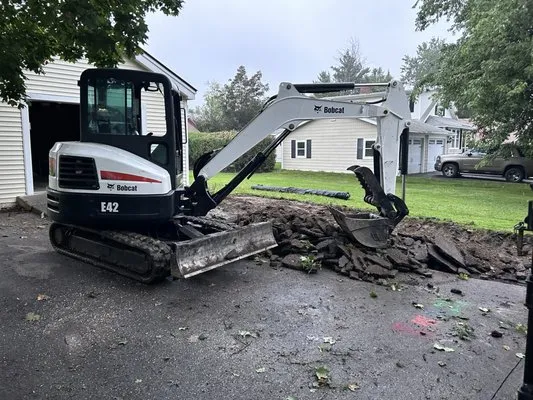
Pave It in Newburgh, ME is a family-owned masonry, concrete, excavation, and landscaping business with 15 years of experience serving residential and commercial clients. Founded by Richard Palmer, a M...
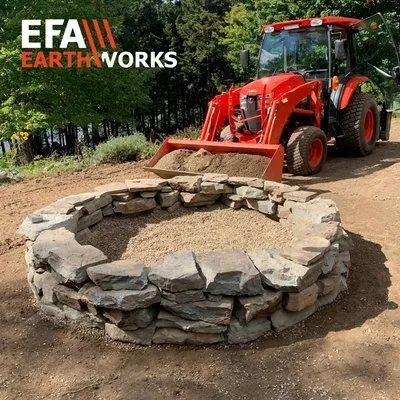
EFA Earthworks is a Hampden-based excavation and landscaping company serving Central and Coastal Maine. With expertise in everything from site preparation and land clearing to trenching and hardscape ...
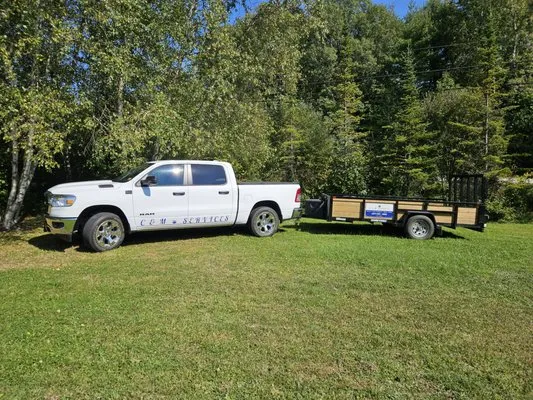
C & M Services is a trusted, local Hermon business dedicated to helping our neighbors with practical hauling, cleanup, and lawn care needs. We operate on the principle that a hard-earned dollar deserv...
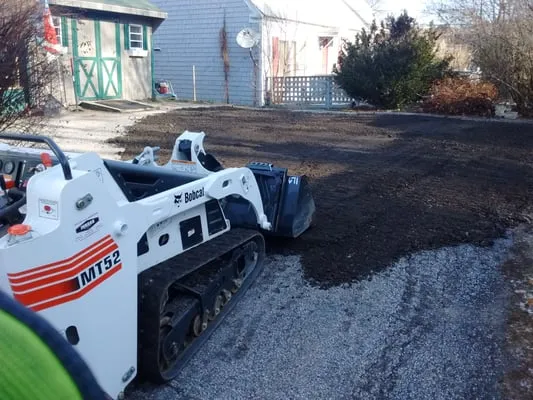
C & M Integrity Services, founded in 2012 by a dedicated local owner, is a family-oriented business serving the Etna and greater Bangor area. We've built our reputation on a simple principle: doing th...
Estimated Landscaping Service Costs in Swanville, ME
FAQs
What invasive species threaten Swanville gardens and how should I control them?
Japanese knotweed and glossy buckthorn present significant risks in Swanville's acidic soils. Manual removal before seed set prevents spread without violating statewide Shoreland Zoning nutrient management standards. Targeted spot treatments using EPA-registered herbicides avoid broad applications that could impact nearby water resources. Regular monitoring during early May mulching season catches infestations before they establish extensive root systems.
What irrigation system works best for maintaining turf without wasting water?
Manual drip irrigation combined with rain barrel collection provides precise water delivery despite Swanville's abundant watershed access. This approach maintains Kentucky Bluegrass and Fine Fescue mixes while preventing overwatering that exacerbates frost heave susceptibility. Drip systems target root zones directly, reducing evaporation losses by approximately 40% compared to traditional sprinklers. Regular monitoring adjusts application rates based on actual plant needs rather than fixed schedules.
How quickly can you respond to storm damage that violates HOA standards?
Emergency cleanup crews dispatch from Swan Lake State Park via US Route 1, arriving within 45-60 minutes during peak response windows. This routing prioritizes access to Swanville Village Center while accounting for seasonal traffic patterns. Standard daylight operating hours from 7:00 AM to 9:00 PM ensure compliance with noise ordinances during restoration work. Crews carry electric equipment to minimize disruption while addressing immediate safety hazards.
Is granite or wood better for patio construction in fire-prone areas?
Local granite fieldstone outperforms wood for longevity and fire resistance in Swanville's moderate Wildland-Urban Interface rating. Granite maintains structural integrity for decades without treatment chemicals that can leach into acidic soils. This material creates defensible space zones required for fire-wise landscaping while withstanding freeze-thaw cycles. Proper installation with permeable bases meets both aesthetic and safety requirements for residential properties.
Can I reduce lawn maintenance while keeping my property attractive?
Replacing high-maintenance turf with native plantings like Lowbush Blueberry and Northern Bayberry creates resilient landscapes. These species require minimal irrigation and no gas-powered equipment, aligning with evolving noise ordinance restrictions. Sweet Fern and Canada Serviceberry provide year-round visual interest while supporting local pollinator populations. Transitioning to xeriscape principles reduces water use by 50-75% compared to traditional lawns.
How do I prevent standing water in my yard during spring thaw?
High water tables in acidic sandy loam soils require graded swales and French drains to manage surface runoff. Permeable local granite fieldstone installations meet Swanville Town Office Planning Board standards by allowing natural infiltration. These systems redirect water away from foundations while minimizing frost heave damage to hardscapes. Proper slope calculations ensure drainage solutions function throughout freeze-thaw cycles common in USDA Zone 5b.
What permits and licenses are needed for major landscape renovations?
Grading work on 2.5-acre lots requires licensed professionals registered with the Maine Department of Professional and Financial Regulation. The Swanville Town Office Planning Board reviews drainage plans and hardscape installations exceeding 100 square feet. State regulations mandate erosion control measures during construction to protect nearby Swan Lake watersheds. Contractors must demonstrate compliance with shoreline setback requirements and nutrient management standards for all projects.
Why does my lawn have poor drainage and thin grass despite regular care?
Swanville Village Center properties built around 1987 have acidic sandy loam soils that are now 39 years mature. This soil type naturally develops compaction layers that restrict water percolation and root penetration. Core aeration with organic amendments like composted leaf mold addresses permeability issues by improving soil structure. The pH range of 5.5-6.2 requires periodic testing to maintain optimal conditions for turfgrass health.
