Top Landscaping Services in South Berwick, ME, 03908 | Compare & Call
There are 122 landscaping companies server in South Berwick ME
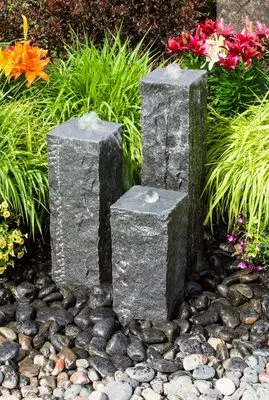
Robin's Nest in Hollis Center, ME, is a landscaping company with over 22 years of experience specializing in natural water features and comprehensive landscape services. Founded on the principle of mi...
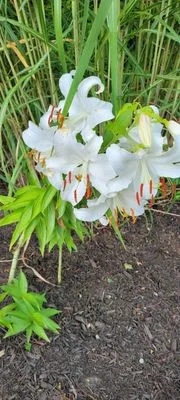
Evergreen State Cleaners is a locally-owned and operated Sanford company founded in 2016 by Amanda and her fiancé. What began as odd jobs for family and friends has grown into a trusted team of experi...
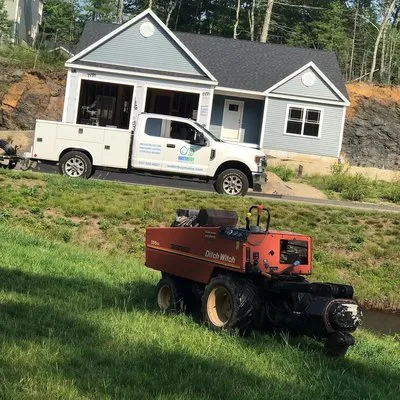
Waterboy Irrigation
Waterboy Irrigation is a locally-owned and licensed irrigation and landscape lighting company serving Kennebunk, ME, with over a decade of dedicated experience. We specialize in designing, installing,...
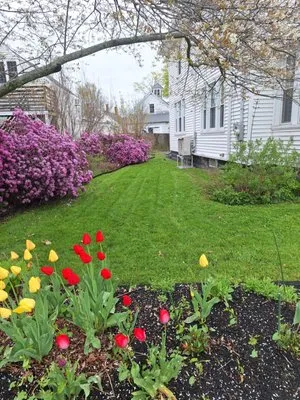
Proper Cut Landscapes is a Sanford-based company specializing in high-end residential property maintenance. We focus on delivering reliable, detailed services for homeowners who value a well-kept prop...

Since 2004, Southern Maine Yard Pro has been a trusted, fully insured partner for Biddeford homeowners. What began as a dedicated window cleaning service has organically grown into a comprehensive hom...
Everest207 Landscape is a full-service landscaping and tree care company serving Wells, ME. We specialize in comprehensive outdoor solutions, from earthmoving and regrading to tree care, irrigation, a...

Since 1804, Wallingford Farm has been a cornerstone of the Kennebunk community, growing from its historic roots into a comprehensive garden center and farm store. We provide a wide selection of indoor...

Welcome to T & T, your local Sanford, ME expert for chimney care and landscaping. I'm Todd, one of the owners, and I built this company on years of hands-on experience, a strong work ethic, and genuin...
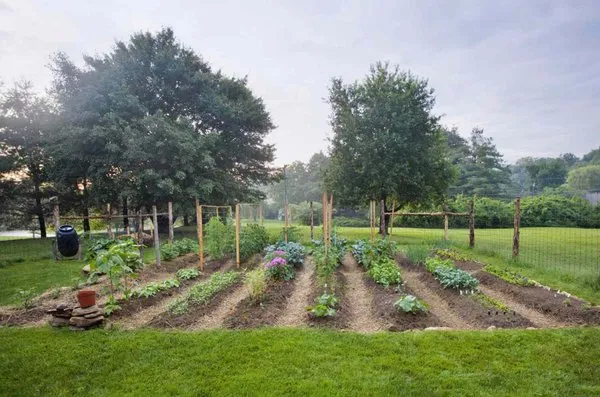
Platt's Property Management
Platt's Property Management is a Sanford-based company offering integrated property care for homeowners and businesses in York and Cumberland counties. With over 18 years of specialized experience fro...
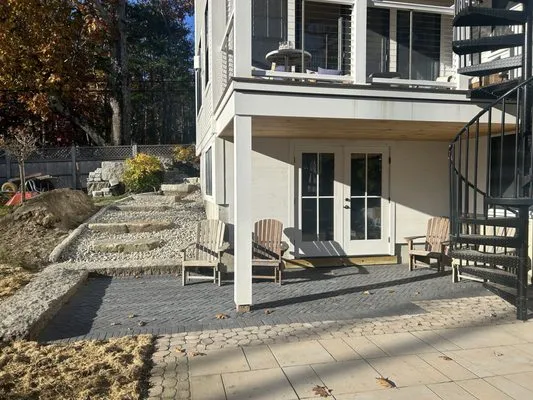
Ambidextrous
Ambidextrous in Arundel is a local landscaping company built on a deep-rooted love for the Maine outdoors and community. Founded by Kevin, who grew up in the family business and holds a master's in Me...
Estimated Landscaping Service Costs in South Berwick, ME
FAQs
My yard has persistent soggy areas and frost heave damage each spring. What's a lasting solution?
This is a classic symptom of the high seasonal water table and frost heave hazard in our acidic sandy loam. The solution involves improving subsurface drainage through strategic grading and channeling water away from foundations. Using local granite for dry streambeds or permeable pavers for patios increases ground absorption and can help projects meet the South Berwick Planning Department's standards for managing stormwater runoff on-site.
Why does my lawn struggle, even with regular feeding, and what's the root cause in my neighborhood?
Your property, like many in Downtown South Berwick built around 1961, has soil approximately 65 years old. This age often means a heavily compacted acidic sandy loam with low organic matter from decades of standard maintenance. The soil's naturally low pH (5.5-6.2) and poor structure inhibit nutrient uptake and water infiltration. Restoring health requires core aeration and incorporating compost to rebuild soil biology and correct permeability issues.
What permits and contractor credentials are needed for regrading and landscaping my half-acre lot?
Significant earth-moving or grading on a 0.55-acre lot typically requires a permit from the South Berwick Planning Department to ensure proper drainage and erosion control. The contractor must hold appropriate licensing through the Maine Department of Professional and Financial Regulation. This licensing is mandatory for projects that alter water flow or involve substantial structural work, protecting you from liability and ensuring adherence to state environmental regulations.
What invasive species should I watch for, and how do I control them without chemical runoff?
Common invasive alerts for this area include Japanese knotweed, glossy buckthorn, and multiflora rose. Manual removal and targeted, organic-approved herbicide applications during specific growth stages are effective. Crucially, any treatment must comply with Maine's Mandatory Phosphorus Ban, avoiding fertilizers and ensuring products do not contaminate the high water table. Timing interventions outside of sensitive seasonal periods is key to ecological safety.
I want to reduce mowing, noise, and maintenance. What are my best native plant options?
Transitioning to a native plant community is a forward-thinking strategy. Species like Highbush Blueberry, Sweet Fern, and New England Aster are adapted to Zone 5b and our soil pH, requiring no fertilization, minimal watering, and no weekly mowing. This shift reduces reliance on gas-powered equipment, aligning with voluntary reduction initiatives and creating a resilient, biodiverse landscape that supports local pollinators.
How do I keep my Kentucky Bluegrass lawn healthy during dry spells without violating water rules?
Under Stage 0 voluntary conservation, efficient water use is critical. Smart Wi-Fi soil moisture sensors are the standard, providing ET-based irrigation that waters only when and where the root zone needs it. This technology can reduce water use by up to 30% while preserving turf health by preventing both drought stress and overwatering, which is particularly detrimental in soils with a high water table.
How quickly can a crew respond for an urgent HOA compliance cleanup after a major storm?
For emergency storm cleanup to meet compliance deadlines, our dispatch from the Hamilton House area prioritizes your request. Using Route 236, we can typically mobilize a crew with electric equipment to comply with local noise ordinances within the 20-30 minute peak storm response window. This ensures rapid debris removal and safety hazard mitigation while adhering to community standards.
Is local granite or pressure-treated wood better for a new patio that will last and be safe?
Local granite is vastly superior for longevity and ecological function in our climate. Unlike wood, which decays and requires chemical treatments, granite is permanent, requires no maintenance, and its high thermal mass moderates temperature swings. For properties in Moderate Wildland-Urban Interface zones, non-combustible granite also contributes to defensible space, a critical factor in Firewise community planning that wood cannot provide.
