Top Landscaping Services in Shapleigh, ME, 04076 | Compare & Call

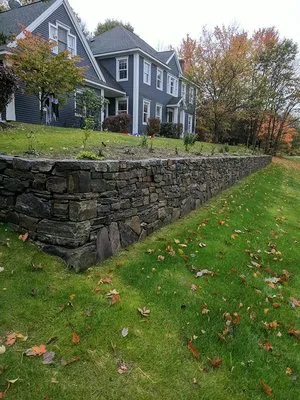
M Abourjaily Stone Construction and Masonry
M Abourjaily Stone Construction and Masonry in Shapleigh is led by a builder with deep roots in both craft and the outdoors. After learning masonry in high school under Harry Grant, he hiked the Appal...
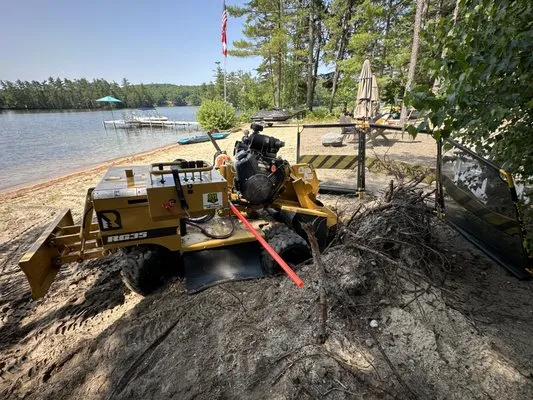
Goodwin Ground Services is a Shapleigh-based provider of tree and lawn care, dedicated to treating your property with the same care as their own. They offer clear communication throughout every projec...

JRGJ Excavation and Landscape
Based in Shapleigh, JRGJ Excavation and Landscape is your local, full-service partner for property enhancement and maintenance. We specialize in excavation, trenching for utilities or drainage, and re...
VLD Property Services
VLD Property Services is a trusted, locally-owned landscaping and property care company serving Shapleigh and surrounding York County communities. Specializing in transforming and maintaining outdoor ...

Lawrence Lawn and Land is your trusted local partner for lawn and landscape needs in Shapleigh, ME. We specialize in transforming residential and commercial properties with thoughtful landscape design...

Bird Dog Outdoor Services is a Shapleigh-based excavation and landscaping company dedicated to solving common local property challenges. Many homeowners in the area struggle with landscaping issues li...
Questions and Answers
Is an automatic sprinkler system wasteful for our climate?
Properly designed systems are not wasteful. In Shapleigh's Zone 5b, voluntary water conservation makes efficiency critical. A soil moisture sensor-based drip irrigation system for planting beds, paired with ET-based controllers for turf zones, applies water only when and where needed. This technology prevents overwatering, protects the shallow root systems of Fine Fescue mixes during dry spells, and keeps usage well within sustainable municipal limits while maintaining plant health.
Can I have a nice yard without weekly mowing and gas-powered blowers?
Absolutely. Transitioning high-maintenance turf areas to a landscape anchored by native plants like Lowbush Blueberry, Sweet Fern, and Winterberry Holly drastically reduces inputs. These plants are adapted to acidic sandy loam, require no fertilization, and need minimal pruning. This shift supports biodiversity and creates a resilient landscape that stays ahead of evolving noise ordinances restricting gas-powered equipment, aligning with the move toward quieter, electric maintenance fleets.
My yard is soggy in spring and cracked in winter. What's the cause?
This indicates the high seasonal water table and frost heave susceptibility common in acidic sandy loam soils. Saturation occurs when the water table rises, and frost heave happens when trapped water freezes and expands. Solutions include installing French drains or dry wells to intercept groundwater. Using permeable local granite or bluestone for patios and walkways also reduces surface runoff, helping your project meet Shapleigh Code Enforcement Office standards for stormwater management.
How quickly can you respond to an emergency like a storm-damaged tree?
For an emergency cleanup requiring HOA compliance or safety mitigation, our dispatch from the Shapleigh Town Hall area prioritizes ME-11. During peak conditions, anticipate a 45 to 60 minute response window. We maintain electric-powered chippers and saws to comply with daytime noise ordinances, allowing work within the 7 AM to 9 PM window without disturbance. This route and equipment protocol ensures efficient, code-compliant service for urgent arboreal hazards.
Why does my lawn struggle compared to newer neighborhoods?
Properties in Shapleigh Village developed around 1985 have 40-year-old soil profiles. Over decades, the native acidic sandy loam has become compacted from routine maintenance, reducing permeability and organic matter. This compaction inhibits root growth for your Kentucky Bluegrass mix and exacerbates the soil's natural low pH. Core aeration in spring and fall, followed by top-dressing with compost, is essential to rebuild soil structure and mitigate these age-related deficiencies.
What are the biggest threats to my landscape's health, and how do I manage them?
Invasive species like Japanese Knotweed and Glossy Buckthorn are primary threats, outcompeting natives and degrading soil ecology. Manual removal or targeted, systemic herbicide applications during the plant's active growth phase are effective. Crucially, any treatment must avoid the statewide Phosphorus ban; use only approved, phosphorus-free fertilizers for lawn care. Always consult the Maine Department of Agriculture for current invasive alerts and treatment guidelines to ensure safe, legal control.
Is local stone or pressure-treated wood better for a new patio?
For longevity and ecological function, local granite or bluestone is superior. These materials have a lifespan measured in decades, require no chemical treatments, and provide superior permeability compared to wooden structures. In Shapleigh's Moderate (WUI Zone 2) fire risk rating, non-combustible stone also contributes to defensible space. While the initial cost is higher, stone's durability and low maintenance offer a better lifecycle value and enhance property resilience.
What permits or licenses are needed to regrade and landscape my 1.5-acre lot?
Regrading that alters water flow or involves significant cut and fill typically requires a permit from the Shapleigh Code Enforcement Office. For the scale of a 1.5-acre lot, contracting with a licensed professional is advisable. The Maine Department of Professional and Financial Regulation licenses landscape architects and contractors; hiring a licensed entity ensures work meets state standards for erosion control, structural integrity, and adherence to the statewide Phosphorus fertilizer ban.
