Top Landscaping Services in Sedgwick, ME, 04676 | Compare & Call

There are 48 landscaping companies server in Sedgwick ME
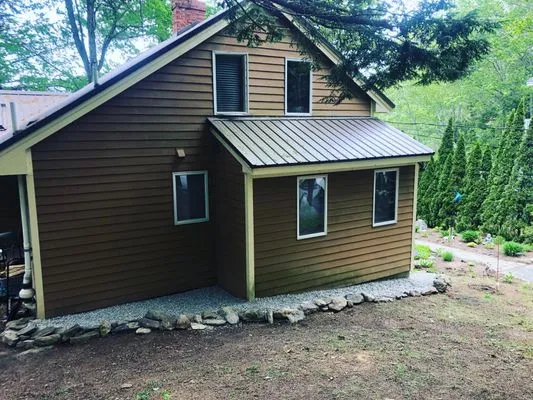
Roots Of The Wild Sun is a local Pownal landscape company founded on a deep passion for the earth and sustainable gardening. Established in 2023, we believe in starting a process of positive environme...

CNC Family Landscaping & Tree Service is a trusted, family-owned business serving Augusta and surrounding communities. With over a decade of experience, we combine professional expertise with a person...
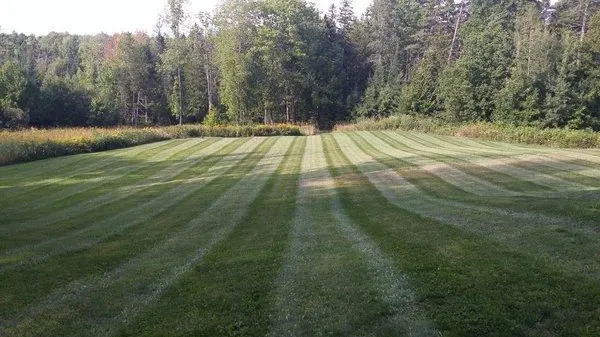
Tender Lawn Care in Brewer, ME, is a locally owned and operated business that brings together a team of skilled professionals dedicated to enhancing outdoor spaces. With years of hands-on experience a...
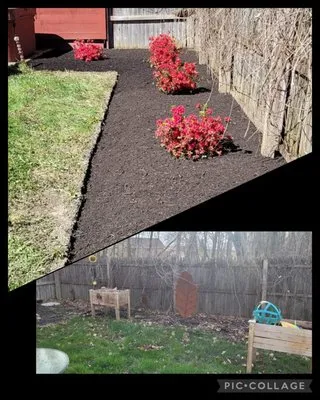
Baker's Landscaping and Property Solutions is a family-owned and operated business proudly serving China, ME, and the surrounding communities. Founded with a single mower and a strong work ethic, we'v...
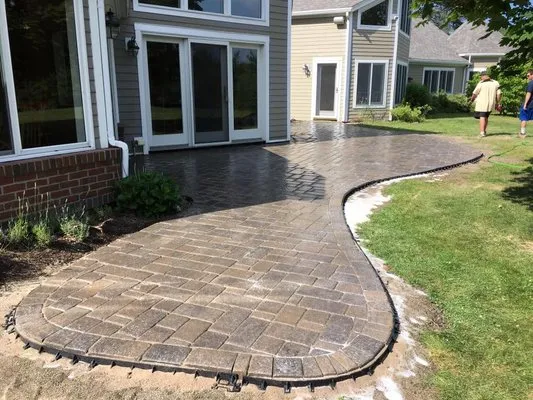
Homsted Earthworks is your local partner for transforming outdoor spaces in Ellsworth, ME. We specialize in bringing your backyard vision to life, whether it involves a new patio, a sturdy retaining w...
Tree Gone & More is a trusted tree service and property care company serving Winterport, ME, and the surrounding area. We provide professional tree work, including removal, pruning, cabling, and trans...
Mariner Property Services is a Castine-based property maintenance company specializing in excavation, landscaping, and handyman services for coastal Maine homes and businesses. We understand the uniqu...
The Stump Guy is your trusted local tree service and landscaping expert in Lincolnville, ME. We specialize in resolving common local landscaping challenges like tree root lawn damage and unsightly bar...
Atlantic Landscape Construction
Atlantic Landscape Construction has been a family-owned and operated business in Ellsworth, Maine since 1975, specializing in comprehensive landscape construction and maintenance for both residential ...

Altitude Arborist in Sullivan, ME, is a tree and landscaping service built on a foundation of deep-rooted experience. Founder and owner, having spent years working with respected tree companies in Con...
Estimated Landscaping Service Costs in Sedgwick, ME
Q&A
How do we address seasonal flooding and frost heave in our yard?
High water tables and frost heave in acidic sandy loam require permeable solutions. Local granite and fieldstone hardscapes with gravel bases improve surface permeability by 40-60% compared to solid pavers. These materials meet Sedgwick Town Office Planning Board runoff standards while providing stable frost-resistant surfaces. French drains should be installed 18-24 inches deep to bypass seasonal saturation layers.
Is granite or wood better for Sedgwick patio construction?
Local granite and fieldstone outperform wood significantly in longevity and fire safety. Granite withstands freeze-thaw cycles for 50+ years versus wood's 10-15 year lifespan in acidic soils. For moderate Firewise rated areas near coniferous woodlands, non-combustible stone provides essential defensible space. Permeable stone installations also reduce runoff by 30% compared to wooden decks, meeting erosion control requirements.
What irrigation system works best given Sedgwick's abundant rainfall?
Despite no water restrictions, efficient irrigation preserves Kentucky Bluegrass and Fine Fescue mixes while preventing fungal issues. Drip irrigation for ornamental beds delivers targeted moisture without oversaturating acidic sandy loam. Manual hose-end timers with rain sensors prevent overwatering during seasonal rainfall peaks. This approach maintains turf health while staying well within municipal water system capacities.
What permits and licenses are needed for major landscape renovations?
Grading work on 2.5-acre lots requires Maine Department of Professional and Financial Regulation licensing for soil disturbance exceeding 1,000 square feet. The Sedgwick Town Office Planning Board reviews drainage plans and hardscape installations for compliance with shoreland zoning. Professionals must demonstrate competency in erosion control and nutrient management, particularly near seasonal water tables where improper grading can trigger violation notices.
How quickly can you respond to storm damage for HOA compliance?
Emergency cleanup dispatch from the Sedgwick Town House via Route 172 typically requires 45-60 minutes during peak conditions. Our electric maintenance fleet operates within standard noise nuisance ordinances, allowing rapid response without violating community standards. We prioritize safety assessments first, then debris removal using equipment sized for 2.5-acre properties common in this area.
Why does my Sedgwick Village lawn struggle despite regular care?
Properties in Sedgwick Village built around 1982 have soil that has matured for 44 years, developing a compacted acidic sandy loam profile with pH 5.5-6.0. This soil type naturally restricts root penetration and water infiltration over time. Core aeration every 2-3 years combined with organic amendments like composted leaf mold addresses compaction while maintaining acidity for native plants. The sandy component improves drainage but requires consistent organic matter to retain nutrients.
What invasive species threaten Sedgwick properties and how do we manage them?
Japanese knotweed and glossy buckthorn present the highest risks, exploiting disturbed acidic soils. Manual removal before seed set avoids Maine Shoreland Zoning Act nutrient limitation conflicts. For established infestations, targeted glyphosate applications in late summer follow blackout date guidelines while minimizing runoff risks. Regular monitoring of woodland edges prevents colonization in moderate Firewise zones.
Can we reduce lawn maintenance while supporting local ecology?
Replacing high-maintenance turf with Lowbush Blueberry, Northern Bayberry, Sweetfern, and Canada Columbine creates resilient landscapes. These natives thrive in Zone 6a acidic soils without chemical inputs, reducing gas-blower dependency ahead of potential noise ordinance expansions. Established native plantings require 70% less water and provide year-round habitat, aligning with 2026 biodiversity standards for coniferous woodland edges.
