Top Landscaping Services in Richmond, ME, 04357 | Compare & Call
There are 48 landscaping companies server in Richmond ME
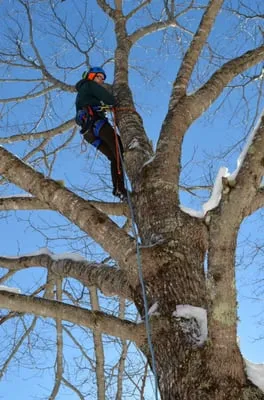
Ian Ferrel, the owner of Ferrel Tree & Garden in Jackson, ME, is a dedicated family man and outdoor enthusiast whose passion for nature directly fuels his work. With seven years of experience as a lan...
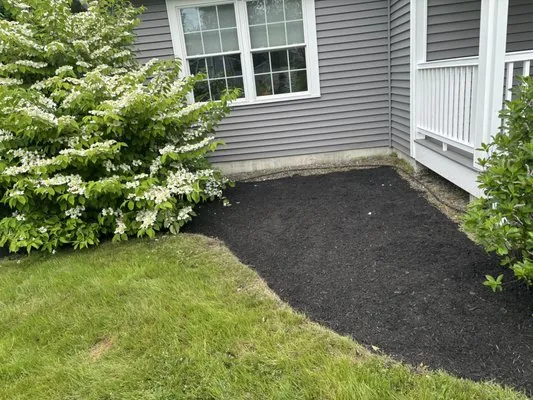
Green Dream Landscaping Solutions is a trusted lawn care provider serving South Portland, ME, specializing in comprehensive lawn maintenance and irrigation solutions. We understand that local homeowne...

Founded in 2009 by local carpenter Timothy Swartz, Swartz Enterprises began as a one-truck operation in Cape Elizabeth, Maine, born from a desire to improve his community after a layoff. With over a d...
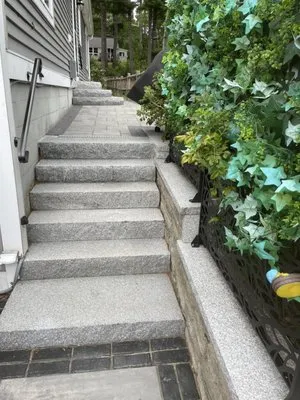
Aceto And Sons Landscape Construction
Aceto and Sons Landscape Construction is a family-owned and operated business serving the Brunswick, Maine, community. Founded and led by Matthew Aceto, a nationally recognized stonemason with over tw...

Automatic Irrrigation
Automatic Irrigation and Lighting of Maine has been a trusted, family-owned name in Bowdoinham since 2001. We specialize in creating and maintaining reliable irrigation systems and elegant landscape l...
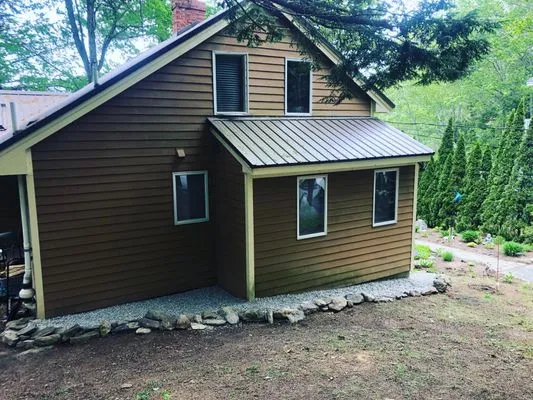
Roots Of The Wild Sun is a local Pownal landscape company founded on a deep passion for the earth and sustainable gardening. Established in 2023, we believe in starting a process of positive environme...

The Local Landscapah is a dedicated lawn care provider serving the Topsham, ME community. We specialize in helping local homeowners overcome common regional landscaping challenges, such as lawn frost ...
SolsticeScape is a full-service landscaping company serving Durham, ME, and the surrounding communities. We specialize in creating beautiful, functional outdoor spaces that enhance your property and s...

Hinkley Farm is a trusted, full-service provider in Richmond, ME, offering landscaping, snow removal, and handyman services to keep homes and properties in top condition year-round. We specialize in a...
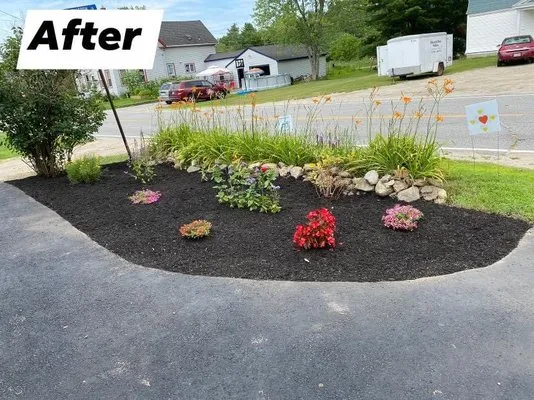
Precision Landscape Solutions is your trusted local partner for a beautiful, healthy property in Dresden, ME. Specializing in landscaping, tree care, and fencing, we address common regional challenges...
Estimated Landscaping Service Costs in Richmond, ME
Questions and Answers
Is there a lower-maintenance alternative to my weekly-mowed lawn that still supports local ecology?
Yes. Transitioning sections of high-maintenance turf to a xeriscape of Maine natives like Highbush Blueberry, Winterberry, and New England Aster significantly reduces water, mowing, and fertilizing needs. This biodiversity-focused landscaping provides year-round habitat and is inherently adapted to our soil and climate. It also future-proofs your property against evolving noise ordinances targeting gas-powered blowers and mowers.
I've spotted invasive Japanese Knotweed. How do I remove it without harming my garden or the river?
Japanese Knotweed requires a multi-year management plan starting with targeted herbicide application in late summer. Crucially, any treatment must comply with the Shoreland Zoning Act, which prohibits phosphorus-containing fertilizers and restricts certain chemicals near water bodies. We employ manual removal and approved systemic herbicides during specific blackout dates to protect the local watershed, followed by replanting with aggressive natives like Joe Pye Weed to outcompete regrowth.
My yard stays soggy into May. What's a permanent solution that also looks good?
Seasonal high water tables in acidic sandy loam require engineered drainage. We integrate French drains or dry wells with permeable hardscapes. Using local granite or permeable concrete pavers for patios and walkways allows stormwater to infiltrate, reducing surface runoff. This approach often meets Richmond Code Enforcement Office standards for managing onsite water and mitigates the damaging effects of frost heave on foundations and lawns.
Do I need a permit to regrade my half-acre lot, and what should I verify about my contractor?
Yes. Significant regrading that alters water runoff patterns typically requires a permit from the Richmond Code Enforcement Office. For a 0.5-acre lot, this work must be performed by a licensed Sitework Contractor through the Maine Department of Professional and Financial Regulation. Always verify this specific license; a general business license is insufficient. Proper licensing ensures compliance with Shoreland Zoning and correct handling of drainage and soil stability.
How fast can you respond for an emergency cleanup after a major storm?
Our electric fleet prioritizes rapid response for HOA compliance or storm damage. From our base near Richmond Waterfront Park, we dispatch via I-295 to reach most Richmond Village properties within the 25-35 minute peak storm response window. Electric equipment allows us to operate within municipal quiet hours, ensuring immediate work can begin at 7 AM without violating noise ordinances.
For a new patio, is pressure-treated wood or local granite a better long-term investment?
Local granite offers superior longevity and lower lifetime maintenance compared to wood, which decays and requires chemical treatments. In Richmond's climate, granite withstands freeze-thaw cycles without heaving. From a Firewise perspective, creating defensible space per Maine Forest Service WUI Guidelines is easier with non-combustible materials like granite or permeable concrete, enhancing safety in this Moderate-risk zone.
Should I install a traditional timer-based sprinkler system for my Kentucky Bluegrass lawn?
No. In Zone 5b, smart soil-moisture sensor (SMS) systems are the standard for efficient irrigation. These systems apply water based on actual evapotranspiration (ET) and soil conditions, not a fixed schedule. This preserves turf health during dry spells while conserving water, keeping you in compliance even if Stage 0 restrictions escalate. An SMS system prevents overwatering, which exacerbates our area's frost heave and drainage issues.
Why does my Richmond Village lawn look thin and waterlogged compared to newer neighborhoods?
Properties in Richmond Village, built around 1946, have 80-year-old soil profiles. The native acidic sandy loam, with a pH of 5.5-6.2, has likely become compacted and nutrient-poor over decades. This reduces permeability, leading to seasonal waterlogging from the high water table and frost heave. Core aeration and incorporating composted organic matter are critical to restore soil structure and support healthy turf and native plantings.
