Top Landscaping Services in Raymond, ME, 04071 | Compare & Call


Sayward Tree & Landscaping
For over four decades, Sayward Tree & Landscaping has been a trusted local resource for Raymond, ME residents and businesses. Founded in 1980, this family-owned operation provides comprehensive proper...
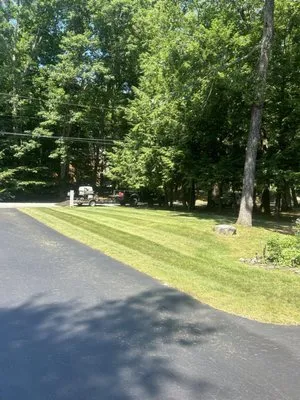
Libby's Property Maintenance is a family-owned business serving Raymond, ME, with a steadfast commitment to 100% customer satisfaction. We understand the unique needs of local property owners and prov...
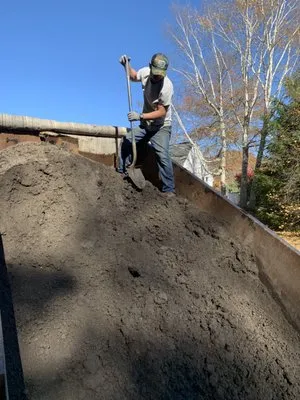
LH Property Services is a locally licensed and fully insured Raymond business dedicated to serving our community. We pride ourselves on listening closely to our customers' needs, whether for a one-tim...
Lce Landscaping is a Raymond-based landscaping company dedicated to solving the common yard problems faced by local homeowners. We specialize in addressing dead lawn areas and yard drainage issues, wh...
K J Bancroft is a trusted, full-service contractor serving Raymond, ME, and the surrounding communities. Specializing in general contracting, landscaping, and plumbing, we provide integrated solutions...
Frequently Asked Questions
Why does my Raymond Village lawn have drainage issues and poor grass health?
Raymond Village properties built around 1982 have 44-year-old soil profiles. Acidic sandy loam (pH 5.5-6.2) in this neighborhood naturally compacts over decades, reducing permeability. Core aeration every 2-3 years introduces oxygen channels while adding composted organic matter adjusts pH toward neutral. This addresses both seasonal frost heave from the high water table and nutrient availability for your Kentucky Bluegrass mix.
What permits are needed for grading my 1.5-acre property?
The Raymond Planning and Code Enforcement Department requires erosion control permits for any grading disturbing over 1,000 square feet. On 1.5-acre lots, licensed professionals through the Maine Department of Professional and Financial Regulation must engineer drainage plans addressing the high water table. Their certification ensures compliance with statewide phosphorus management plans and proper slope calculations preventing downstream sedimentation.
How do I control invasive plants without chemical fertilizers?
Japanese knotweed and garlic mustard present primary invasive risks in Raymond. Manual removal during early growth stages prevents seed set without violating Maine's phosphorus ban on non-agricultural turf. Apply organic amendments like compost tea during early May mulching peak to boost soil microbiology, creating competitive conditions where mycorrhizae networks support native Winterberry and Sweetfern establishment.
Can I reduce mowing while maintaining property value?
Transitioning 30-50% of turf to native plantings like Highbush Blueberry and Sweetfern reduces weekly mowing requirements. These species establish deep root systems accessing subsurface moisture, eliminating irrigation needs after establishment. Electric maintenance equipment meets evolving noise ordinance standards while supporting 2026 biodiversity targets through pollinator habitats with Joe-Pye Weed and Canada Anemone.
Is granite better than wood for Raymond patios?
Local granite and bluestone offer 50+ year lifespans versus 10-15 years for pressure-treated wood. Their non-combustible nature supports Moderate Fire Wise ratings in Wildland-Urban Interface zones by creating defensible space. Granite's thermal mass moderates microclimates for adjacent plantings while its permeability (12-15% void space) meets Raymond's stormwater management requirements without additional drainage infrastructure.
What solutions exist for seasonal flooding in my yard?
High water tables in Raymond's acidic sandy loam require graded swales directing runoff away from foundations. Permeable local granite or bluestone hardscapes increase infiltration rates to 8-12 inches per hour versus 0.5 inches for compacted soil. The Raymond Planning and Code Enforcement Department requires 2% minimum slope for new installations, which also mitigates frost heave damage during freeze-thaw cycles.
Should I install irrigation with current water restrictions?
Stage 0 water status permits irrigation but smart-controller drip systems optimize usage. These controllers calculate ET-based schedules that deliver 0.5-0.75 inches weekly to Kentucky Bluegrass/Fine Fescue mixes during May-September growth periods. Drip emitters target root zones with 90% efficiency versus 65% for oscillating sprinklers, staying well within municipal water allocation limits while preventing drought stress.
How quickly can you respond to storm damage for HOA compliance?
Emergency cleanup dispatch originates from the Raymond Town Office with routing via US Route 302. Peak storm response requires 45-60 minutes accounting for debris clearance on secondary roads. Our electric maintenance fleet operates within daytime noise ordinance windows (7:00 AM-9:00 PM) while addressing immediate safety hazards like fallen limbs or compromised drainage systems.
