Top Landscaping Services in Portland, ME, 04019 | Compare & Call

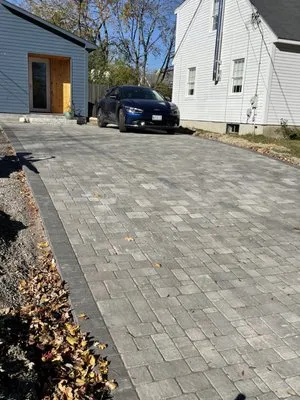
Little Lion Landscape Design
Little Lion Landscape Design is a full-service landscape architecture and construction firm serving Portland, Maine. We specialize in creating and maintaining beautiful, functional outdoor spaces tail...
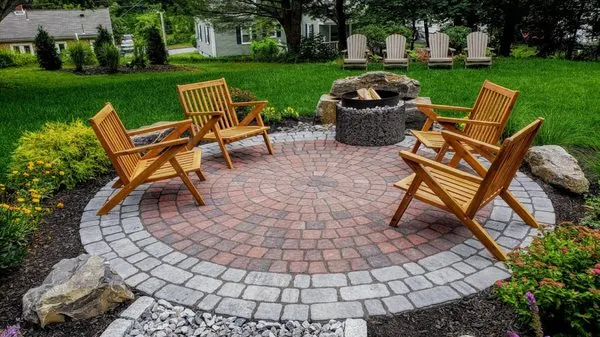
UrbanYardology is a Portland-based exterior service company built on a decade of passion, now serving the community with a full range of sustainable property care. We specialize in garden and yard res...
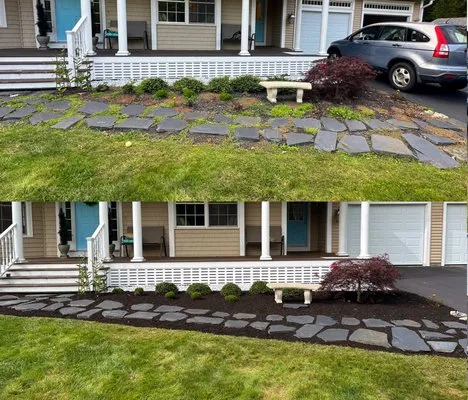
Terra Landscaping
Terra Landscaping is a full-service landscaping company serving Portland, ME, specializing in landscaping, tree services, and junk removal. We help homeowners address common local issues like mulch be...
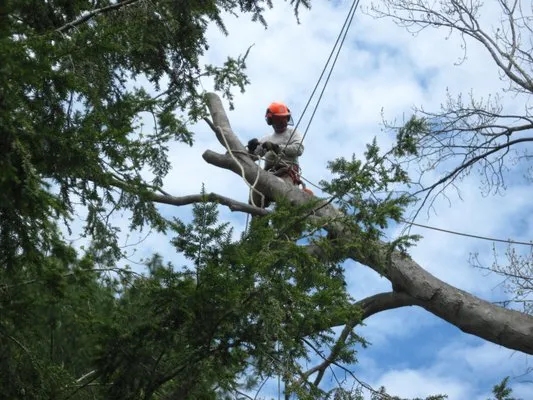
McCarthy Tree Service
Founded in 2003 and formally incorporated in 2013, McCarthy Tree Service, Inc. is a licensed and insured Maine Arborist firm dedicated to helping Portland area homeowners maintain healthy, beautiful, ...
Steele Lawns is a locally owned lawn care business in Portland, ME, founded by Whit, a Portland High and SMCC Construction Technology graduate who loves working outdoors. After gaining experience with...
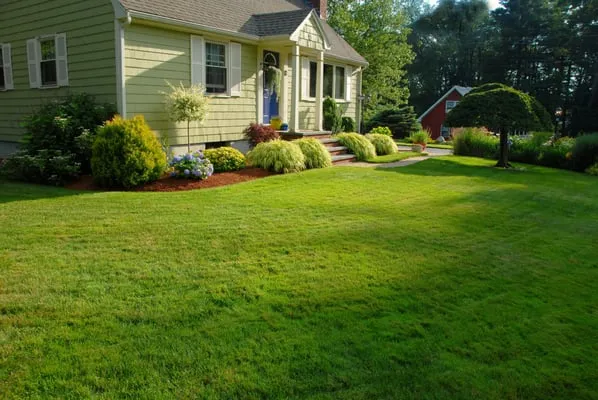
Lawn Dawg provides professional lawn care services to homeowners in Portland, ME. We understand the specific challenges local lawns face, particularly lawn fungus diseases and yard drainage problems c...

Spiritual Workers in a Physical World
Spiritual Workers in a Physical World has been serving the Greater Portland Area since 1995, providing reliable home services with a practical, grounded approach. We specialize in landscaping, snow re...

AR Cail Excavation is a family-owned and operated company with deep roots in the Greater Portland community. Founded in 1999 by Andrew Cail, the business is built on a legacy of construction expertise...
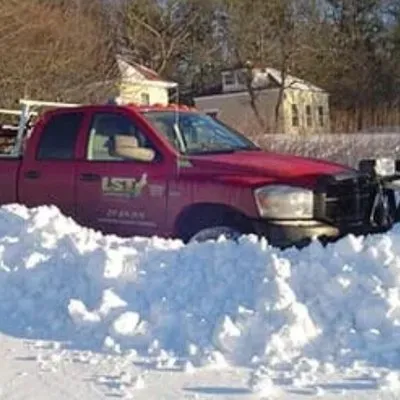
LST Landscaping Inc. is a family-owned landscaping company serving Portland, Maine, and surrounding areas since 1969. Specializing in comprehensive outdoor solutions, we provide landscape design, inst...
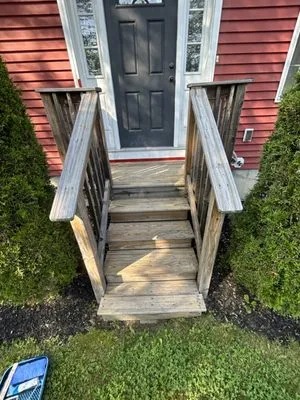
N&E Property Services is a locally-owned Portland company providing essential property care and cleanup solutions. We specialize in comprehensive junk removal and hauling, responsibly handling everyth...
Common Questions
My yard has persistent puddling each spring. What's a long-term solution?
Surface ponding is common in sandy loam soils with seasonal frost heaving, which disrupts natural percolation. A durable solution involves installing subsurface French drains tied to a dry well or rain garden. Using permeable granite pavers for any new patios or walkways can also increase infiltration. These strategies often meet Portland Planning & Urban Development Department standards for managing onsite stormwater runoff.
I want a lower-maintenance, quieter yard. What should I consider?
Transitioning high-maintenance turf areas to a planting of Maine natives like Highbush Blueberry, Bayberry, and New England Aster significantly reduces mowing, watering, and nutrient demands. This xeriscape approach creates habitat and stays ahead of evolving noise ordinances restricting gas-powered blowers. The resulting landscape requires minimal inputs and provides year-round ecological function and visual interest.
How can I keep my lawn healthy during Portland's voluntary water conservation stage?
Under Stage 1 voluntary conservation, the key is precision. A smart Wi-Fi ET-based irrigation system uses local weather data to apply water only when and where your Kentucky Bluegrass blend truly needs it, often reducing usage by 20-30%. This technology prevents overwatering, which exacerbates local frost heaving and ponding issues. Properly managed, this system maintains turf health while aligning with municipal water stewardship goals.
I've spotted invasive plants like Japanese Knotweed. How do I handle them responsibly?
Invasive species like Japanese Knotweed require persistent, multi-year management. Manual removal and targeted, systemic herbicide applications by a licensed professional are most effective. It is critical to note that Maine's statewide ban on phosphorus-containing fertilizers does not apply to these regulated herbicide treatments, but all applications must follow label instructions and avoid blackout dates for sensitive areas. Never compost invasive plant material.
A storm damaged trees and scattered debris across my property. How quickly can a crew respond for an emergency cleanup?
For an emergency cleanup in the West End, our standard peak storm response is 20-30 minutes. The dispatch route originates from our staging area near the Western Promenade, utilizing I-295 for efficient access. This timeframe accounts for safe navigation of debris-clogged secondary streets. All initial responses prioritize safety and securing the site to prevent further property damage.
My West End garden soil seems compacted and thin. What's going on with it?
Portland's West End has predominantly acidic sandy loam, and homes built around 1948 have about 78 years of soil maturity. This extended period without significant amendment has likely depleted organic matter, increasing compaction and reducing permeability. Core aeration and incorporating composted leaf mold are critical to restore structure and support microbial life. Improved soil health directly enhances drought resilience for your existing turf and planting beds.
What should I verify before hiring a contractor for significant grading or patio work?
For any grading, drainage, or hardscape installation on a typical 0.12-acre lot, verify the contractor holds a valid license from the Maine Department of Professional and Financial Regulation. Significant earthwork or structures may also require a permit from the Portland Planning & Urban Development Department. Using an unlicensed contractor for this work risks improper execution, voided warranties, and potential liability issues that can affect property value and insurance.
Are granite pavers a better choice than wood for a new patio?
For longevity and low maintenance in Zone 6a, granite pavers are superior to wood. They are impervious to rot, insect damage, and the freeze-thaw cycles that cause frost heaving. From a fire safety perspective, their non-combustible nature contributes to the defensible space recommended for Portland's Moderate Wildfire Risk rating. While the initial cost is higher, their lifespan and minimal upkeep offer greater long-term value.
