Top Landscaping Services in Palmyra, ME, 04965 | Compare & Call
There are 43 landscaping companies server in Palmyra ME
SagesWay, based right here in Sullivan, provides reliable and affordable help for a variety of home and property tasks. I'm a young, hardworking local offering carpentry services like minor roof repai...
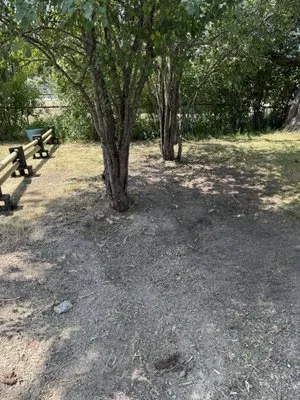
Red Line Lawn Care LLC is a Hermon-based, firefighter-owned and operated business dedicated to keeping your property looking its best. We provide expert lawn maintenance, including precision mowing, t...
Dillion's Lawncare is a Dixmont-based lawn service dedicated to maintaining the beauty and health of local properties. Many homeowners in the area face challenges with overgrown or dying shrubs that d...
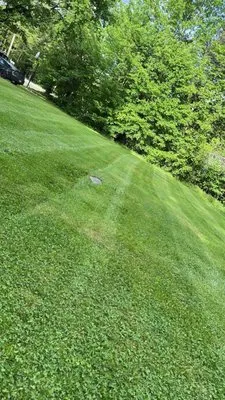
Carrow's Strictly Outdoors is a dedicated lawn care and landscaping company serving Levant, Carmel, Hermon, Stetson, Bangor, and nearby communities. We specialize in comprehensive lawn maintenance, in...

Cutting Edge Lawn Care is a Winslow-based landscaping company dedicated to maintaining and enhancing local properties through comprehensive lawn and shrub care. We specialize in landscape maintenance,...

H & S Sitework Construction is a trusted local contractor serving Bangor, ME, and surrounding Penobscot, Piscataquis, and Hancock counties. We specialize in comprehensive sitework solutions, including...

Half G Productions in Solon, ME, is a veteran-owned business specializing in snow removal, lawn services, and pressure washing. With a deep-rooted connection to the community, the owner brings years o...

Central Maine Hydroseeding specializes in creating healthy, resilient lawns for Oakland, ME, properties using the hydroseeding method. This process involves spraying a slurry of water, seed, wood fibe...
M & J General Contracting is a trusted, locally-owned business in Oakland, ME, dedicated to helping homeowners achieve and maintain a healthy, beautiful outdoor space. We specialize in comprehensive l...

Dig & Shift is a Cornville-based landscaping, excavation, and demolition contractor serving Somerset County. We provide comprehensive site solutions, from foundational work like soil backfilling and t...
Estimated Landscaping Service Costs in Palmyra, ME
Q&A
Why is my Palmyra Village Center lawn so compacted and weedy after 40 years?
Residential lots in the Village Center, developed around 1982, have 44-year-old soils. The prevalent acidic sandy loam naturally compacts over decades, reducing percolation and organic matter. This creates a shallow root zone favoring weeds over your Kentucky Bluegrass. An annual core aeration program and top-dressing with compost are necessary to rebuild soil structure and correct pH imbalances inherent to the area.
Is there a lower-maintenance, eco-friendly alternative to my large lawn?
Yes. Transitioning perimeter zones to a xeriscape of native plants like Common Milkweed, New England Aster, and Sweet Fern significantly reduces mowing, watering, and chemical inputs. This biodiversity-focused landscape provides critical habitat, requires no gas-powered blowers—anticipating future noise ordinance trends—and builds natural resilience ahead of 2026 ecological benchmarks for the Wildland-Urban Interface.
For a new patio, is local granite better than pressure-treated wood?
Local granite offers superior longevity and permeability compared to wood, which requires chemical treatments and eventual replacement. In Palmyra's Moderate Fire Wise rating zone, granite provides a non-combustible, defensible space material crucial for properties in the Wildland-Urban Interface. Its thermal mass also moderates soil temperature, reducing frost heave stress, and it integrates seamlessly with the region's natural aesthetic.
What permits and licenses are needed to regrade and re-landscape my entire property?
Significant grading and landscaping on a 1.5-acre lot require formal review. The Palmyra Code Enforcement Office issues permits for earthmoving and drainage alterations to ensure compliance with local ordinances. The contractor must hold appropriate licensing through the Maine Department of Professional and Financial Regulation, which guarantees adherence to statewide environmental and shoreline protection laws, particularly for projects near the seasonal water table.
With no water restrictions, is a traditional sprinkler system the best choice for my grass?
Despite abundant rainfall, efficient water use remains critical for soil health. A standard drip irrigation system paired with rain barrel collection targets root zones directly, minimizing evaporation and fungal disease on your Bluegrass-Fescue mix. This ET-based approach conserves municipal water during dry spells and prevents over-saturation of Palmyra's high water table, promoting deeper, drought-resilient roots.
My yard turns into a pond every spring. How do I fix drainage in this soil?
The high seasonal water table and frost heave in Palmyra's acidic sandy loam create chronic surface pooling. Solutions begin with regrading to create positive flow away from foundations. Incorporating permeable local granite or crushed stone for walkways and patios increases subsurface infiltration. All designs should be reviewed with the Palmyra Code Enforcement Office to ensure they meet updated stormwater runoff standards for your lot size.
I have an HOA compliance notice for overgrowth. What's the fastest storm cleanup response?
For urgent compliance or post-storm cleanup, crews dispatch from the Palmyra Town Office. The route via I-95 allows for a 45-60 minute arrival during peak conditions, factoring in local traffic. The service includes debris removal, branch chipping, and a final mow to bring the 1.5-acre property to standard, with all material processed off-site to meet immediate deadlines.
What invasive species should I watch for, and how are they treated here?
Palmyra's wooded edges are susceptible to invasive species like Japanese Knotweed and Glossy Buckthorn. Treatment requires a targeted, systemic herbicide applied by licensed professionals during specific growth phases. All applications must strictly adhere to Maine's statewide shoreline phosphorus restrictions and observed blackout dates to protect local watersheds, with manual removal often integrated for long-term control.
