Top Landscaping Services in Litchfield, ME, 04345 | Compare & Call
There are 143 landscaping companies server in Litchfield ME
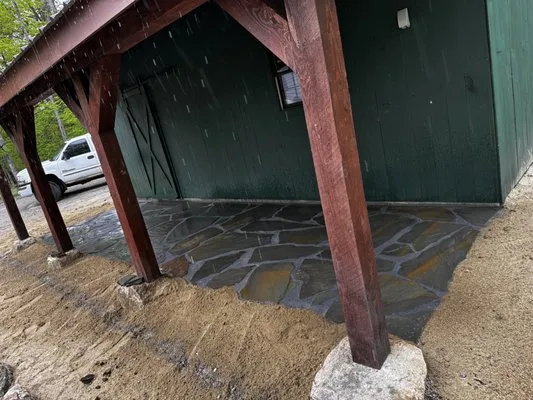
HC Hardscaping N’Services is a full-service landscaping company serving Sabattus, ME, and surrounding areas. We specialize in transforming outdoor spaces through comprehensive hardscaping, landscape c...
Lemay's Lawn Service & Driveway Sealing
Lemay's Lawn Service & Driveway Sealing is a full-service landscaping and asphalt company serving Augusta, ME. We specialize in comprehensive lawn care, including earthmoving and regrading to address ...
Since 1980, Rocky Hill Landscaping & Maintenance has been a trusted name in Brunswick and the greater Midcoast Maine area. We are a full-service residential and commercial landscape company focused on...
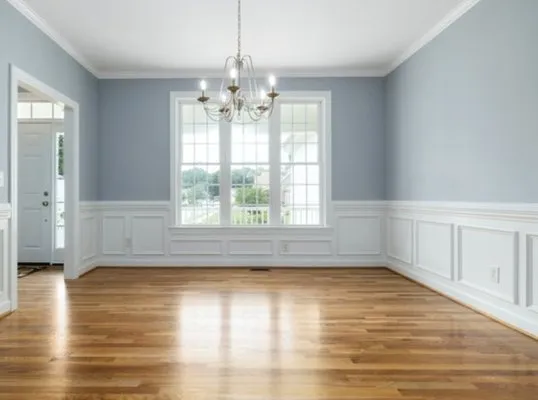
Stellar Homes Home and Lawn Improvements
Stellar Homes Home and Lawn Improvements is a trusted, full-service contractor serving the Lewiston community. We bring extensive hands-on experience and formal training from industry leaders to every...
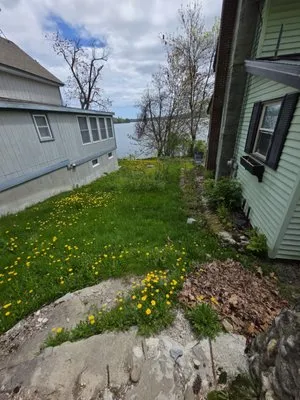
IN & OUT Full Property Maintenance
IN & OUT Full Property Maintenance is a Turner-based company dedicated to keeping local properties in top condition year-round. We specialize in comprehensive property maintenance, including lawn care...
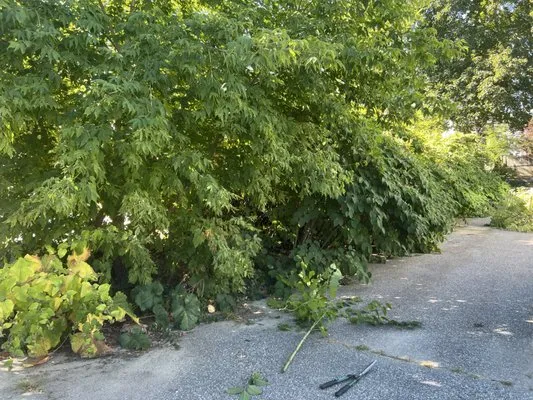
First Due Yard Care is a trusted lawn and tree service provider serving New Gloucester, ME, and surrounding communities. We specialize in comprehensive lawn care, tree pruning, trimming, and full tree...
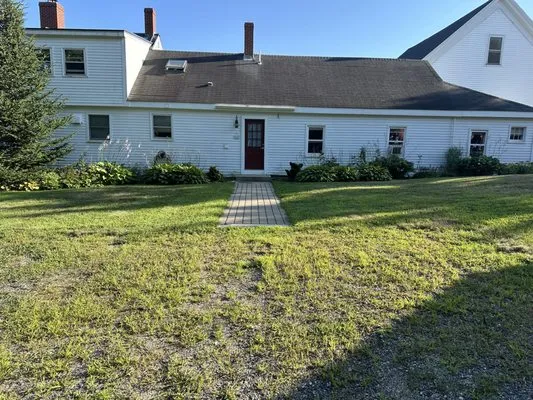
Carrs Landscaping is a trusted local landscaping and gardening service based in Poland, ME, dedicated to maintaining and enhancing outdoor spaces for homeowners. We specialize in comprehensive shrub c...
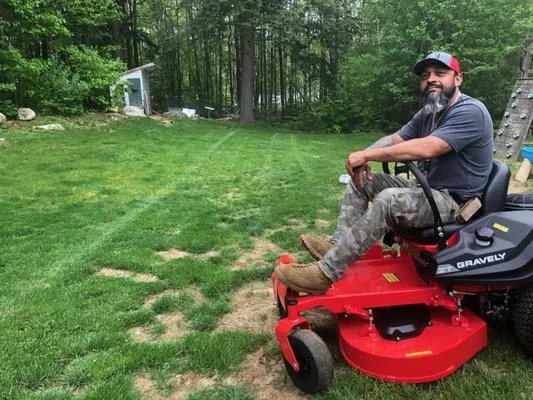
Hand Landscape is a trusted local business in Sabattus, ME, offering comprehensive handyman, landscaping, and junk removal services. We specialize in appliance disposal, construction debris removal, g...
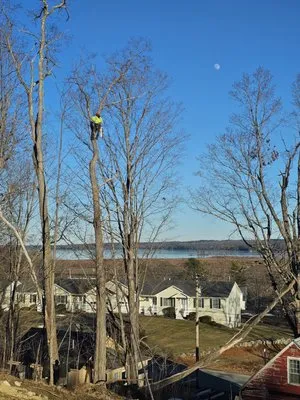
All Seasons Tree Service has been a trusted name in Belgrade and Kennebec County for over 25 years. The business is distinguished by the personal, hands-on approach of owner Jason Flood, who meets wit...
G & G Streamline is a trusted, full-service landscaping and construction company serving Lisbon, ME, and the surrounding areas. We understand the unique challenges local homeowners face, from water dr...
Estimated Landscaping Service Costs in Litchfield, ME
Common Questions
What invasive species should we watch for, and how do we treat them without violating fertilizer rules?
Japanese knotweed and glossy buckthorn present significant invasive risks in USDA Zone 5b. Treatment requires targeted herbicide applications during active growth phases, carefully timed outside any local fertilizer ordinance blackout dates. Manual removal combined with solarization can manage smaller infestations without chemical intervention. Always verify treatment timing with current Maine Department of Agriculture regulations to ensure compliance with statewide phosphorus restrictions.
We need emergency storm cleanup before an HOA inspection next week - how quickly can you respond?
Emergency response from the Litchfield Town Office via I-95 typically requires 45-60 minutes during peak conditions. Our electric maintenance fleet operates within standard noise ordinance limits while providing rapid debris removal. For HOA compliance situations, we prioritize routes that minimize travel disruptions while ensuring all safety protocols are followed. This timeframe accounts for potential traffic variables while maintaining service reliability.
What permits and licenses are needed for grading work on our 2.5-acre property?
Grading projects on 2.5-acre lots typically require erosion control permits from the Litchfield Code Enforcement Office. Contractors must hold appropriate licensing through the Maine Department of Professional and Financial Regulation, particularly for earthmoving exceeding 100 cubic yards. These regulations ensure proper sediment control and compliance with state environmental standards. Professional licensing verifies competency in soil management practices specific to Maine's glacial till conditions.
Our Litchfield Plains yard has been struggling for years - what's wrong with the soil here?
Litchfield Plains properties built around 1983 have acidic glacial till soil that has matured for approximately 43 years. This soil type naturally maintains a pH of 5.5-6.2, which can limit nutrient availability for many landscape plants. The compacted glacial till structure reduces soil percolation, creating poor infiltration conditions common in this neighborhood. Annual core aeration combined with organic amendments like composted leaf litter can improve soil structure and microbial activity.
Our yard floods every spring - what drainage solutions work with Litchfield's acidic glacial till soil?
High seasonal water tables and poor infiltration in acidic glacial till require engineered drainage solutions. Permeable local granite or bluestone pavers create infiltration surfaces that meet Litchfield Code Enforcement Office runoff standards. French drains with proper gravel bedding and geotextile fabric can redirect subsurface water away from structures. These systems address the soil's limited permeability while preventing erosion during spring thaw periods.
How do we keep our Kentucky Bluegrass and Fine Fescue mix healthy during dry periods with water restrictions?
Soil moisture sensor-based drip irrigation systems optimize water use while maintaining turf health under Stage 0 voluntary conservation guidelines. These systems deliver water directly to root zones based on evapotranspiration rates, reducing surface evaporation losses. Properly calibrated sensors can reduce municipal water consumption by 30-40% compared to traditional sprinkler systems. This approach preserves turf quality while respecting Litchfield's water conservation framework.
We want to reduce lawn maintenance and noise - what native plants could replace some turf areas?
Transitioning to native plant communities featuring Highbush Blueberry, Winterberry, Joe-Pye Weed, and Sweet Fern reduces maintenance frequency and equipment noise. These species require minimal irrigation once established and support local pollinator populations. Native plantings align with emerging trends toward electric maintenance equipment and reduced gas-blower usage. This approach creates resilient landscapes that anticipate future noise ordinance developments while enhancing biodiversity.
Should we use local granite or wood for our new patio considering fire safety concerns?
Local granite and bluestone pavers provide superior longevity and fire resistance compared to wood materials. These non-combustible surfaces contribute to defensible space requirements in Moderate Wildland-Urban Interface zones. Stone hardscapes maintain structural integrity through freeze-thaw cycles common in Zone 5b, with minimal maintenance requirements. Their thermal mass properties can moderate microclimate temperatures while reducing fire fuel loads near structures.
