Top Landscaping Services in Lincolnville, ME, 04849 | Compare & Call
There are 59 landscaping companies server in Lincolnville ME
Ford's Lawncare is a trusted local lawn service provider serving homeowners in Hope, ME. We specialize in comprehensive lawn care solutions designed to address common landscaping challenges in our com...
Robin's Landscaping is a dedicated local business serving homeowners in Hope, ME. We understand the specific challenges of maintaining a beautiful yard in our area, where patchy lawns and persistent w...
Vision Builders
Vision Builders has been a trusted name in West Rockport and the Midcoast Maine region since 1969. As a family-founded custom home building team, we specialize in bringing your vision to life through ...
Flower's Odd Jobs & Services is your trusted, local partner for year-round property maintenance in Appleton, Maine. We understand the unique challenges faced by homeowners in our community, from manag...
Kennedy's Mowing is a trusted local provider of lawn and excavation services in Union, ME, specializing in solutions for common area landscaping challenges. We address issues like patchy lawn grass an...
A&D Property Services in Union, ME, specializes in transforming challenging landscapes into ready-to-build foundations. Whether you're planning a commercial development like a strip mall or a personal...
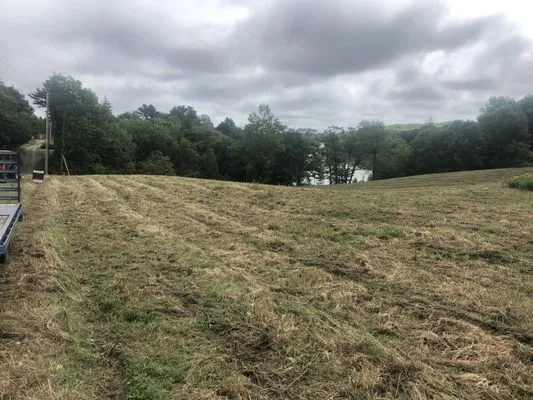
Ames Landscaping is a trusted, locally-owned landscaping company serving Rockport, ME, and the surrounding Midcoast communities. We specialize in addressing the common landscaping challenges faced by ...
Tru To You Landscaping serves Lincolnville homeowners by tackling the persistent, everyday challenges that can make yard maintenance a chore. Many local properties struggle with invasive weeds taking ...
Camden Lawn Care is your dedicated Lincolnville lawn service, trusted by local homeowners to maintain beautiful and resilient yards. We understand the unique challenges of the Maine coast, from sudden...
Estimated Landscaping Service Costs in Lincolnville, ME
Question Answers
My yard stays soggy long after snowmelt. What's the best drainage solution?
A high seasonal water table combined with frost heave is a primary drainage hazard in Lincolnville's acidic sandy loam. Surface water often cannot percolate through compacted subsoil. The solution involves creating positive drainage away from foundations using permeable materials like local crushed stone in French drains or dry creek beds. For patios or paths, specifying local granite pavers set on a permeable sand base can meet Code Enforcement Office runoff standards by allowing infiltration rather than directing sheet flow to neighboring lots.
I want to reduce mowing and gas-powered noise. What are my options?
Transitioning high-maintenance turf areas to a climate-adaptive xeriscape with Maine natives is a strategic long-term solution. Planting communities of lowbush blueberry, winterberry, New England aster, and common milkweed establishes a resilient, low-input landscape. These deep-rooted natives require no weekly mowing, minimal watering once established, and provide critical habitat, aligning with evolving noise ordinances that restrict gas blowers and mowers. This approach significantly reduces your carbon footprint and maintenance calendar.
I've spotted invasive Japanese knotweed. How do we handle it safely?
Japanese knotweed is a severe invasive alert for Lincolnville due to its aggressive rhizomes. Eradication requires a multi-year, targeted herbicide program applied by a Maine Board of Pesticides Control-licensed professional. Treatment timing is critical to avoid the Shoreland Zoning Act nutrient management blackout dates, which typically restrict applications near water bodies to protect water quality. Manual cutting followed by precise stem injection is the most effective and environmentally sound method, preventing soil disturbance that spreads the plant.
My Lincolnville Center lawn seems thin and compacted. Is this a common problem for our area?
This is a predictable condition for Lincolnville properties dating to the 1980s. Soil maturity here is approximately 43 years, meaning the original acidic sandy loam has likely been compacted by decades of routine activity without significant soil-building practices. In our USDA Zone 6a, this compaction reduces permeability, exacerbates frost heave, and limits root penetration for your Kentucky bluegrass mix. A core aeration and application of lime to adjust the pH toward 6.2, followed by top-dressing with compost, will rebuild soil structure and improve water infiltration.
How quickly can you respond for an emergency tree cleanup after a storm?
Our electric fleet is dispatched for priority emergencies from our Lincolnville Beach staging area. Taking US Route 1 north, we can typically reach Lincolnville Center properties within the 45–60 minute window noted for peak storm response, adhering to the 7:00 AM to 9:00 PM noise ordinance with quieter equipment. We prioritize triage for safety hazards like downed limbs on structures or blocking driveways to facilitate immediate access and prevent further property damage.
With no current water restrictions, is a smart irrigation system still worthwhile?
Absolutely. Smart drip irrigation with soil moisture sensors is a proactive conservation tool, not just a restriction response. It applies water directly to the root zone of your turfgrass mix, minimizing evaporation and runoff on our sandy soils. This system uses real-time ET (evapotranspiration) data and local rainfall to schedule watering, preserving municipal water resources and preventing overwatering, which can elevate the seasonal water table and contribute to fungal issues in the lawn.
Do I need a permit to regrade part of my 1.5-acre lot?
Yes. Any significant grading that alters drainage patterns or involves more than 100 cubic yards of soil movement typically requires a permit from the Lincolnville Code Enforcement Office. On a 1.5-acre lot, especially near the seasonal water table, improper grading can cause off-site flooding or erosion violations. This work must be overseen by a licensed site professional to ensure compliance with state sediment and erosion control laws, and any associated planting or stabilization must follow Shoreland Zoning standards if within 250 feet of a water body.
Is granite or pressure-treated wood better for a new patio?
For longevity and ecological function, local granite pavers are superior. Granite is inert, requires no chemical treatments, and has a lifespan measured in decades, unlike wood which decays and requires periodic replacement. For fire safety in our Moderate (WUI Zone 2) rating area, non-combustible granite contributes to defensible space. Furthermore, when installed with permeable joints, granite patios manage stormwater on-site, aligning with best practices for reducing runoff into the watershed, a key concern under the Shoreland Zoning Act.
