Top Landscaping Services in Lewiston, ME, 04240 | Compare & Call
There are 188 landscaping companies server in Lewiston ME
Brothers Landscaping is your trusted, local Bowdoinham team dedicated to creating and maintaining beautiful, resilient outdoor spaces. We understand the specific challenges of our Maine climate, parti...

Cody Landscape And More is a trusted West Gardiner landscaping company dedicated to solving the specific challenges local homeowners face. In our region, common issues like lawn frost damage from hars...
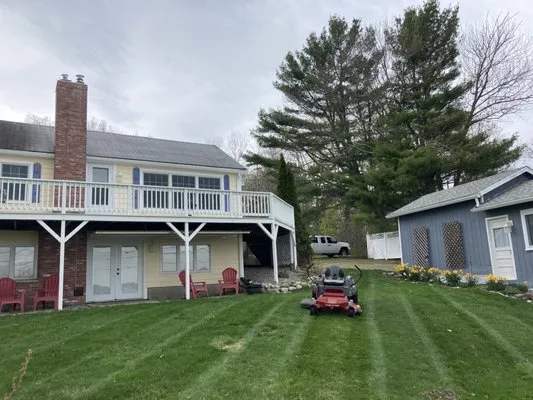
MG Services is a Brunswick-based lawn care company dedicated to solving the common local landscaping issues of bare patches and dead lawn areas. We specialize in a comprehensive approach to lawn care,...
C-5 Property Management is a trusted local business in Poland, Maine, specializing in comprehensive outdoor property care. We offer professional landscaping, tree services, and pressure washing to kee...
Murray's Groundskeeping is a Topsham-based landscaping and pest control company dedicated to solving common local yard challenges. We understand the frustration of dying shrubs and damaged landscape e...
Wisdom Landscape
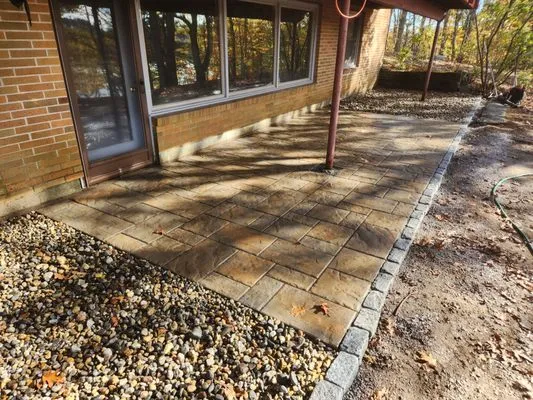
Wisdom Landscape is a dedicated, one-crew landscaping operation based in West Gardiner, Maine, specializing in hardscape installations and sustainable landscaping solutions. We focus on creating beaut...
Family Tree Lawn & Landscape Management
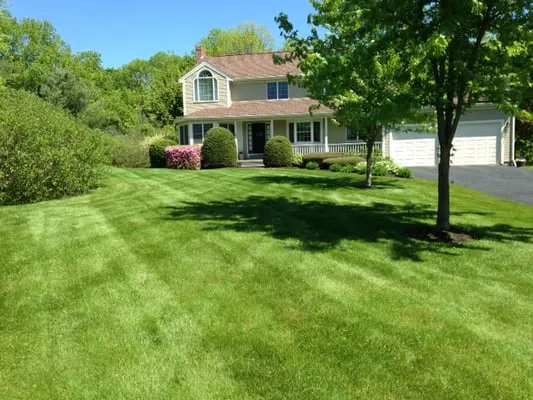
Family Tree Lawn & Landscape Management is a locally owned and operated lawn care and landscaping company serving Sidney, ME, and the surrounding areas including greater Waterville, Augusta, and the L...
Sayward Tree & Landscaping
For over four decades, Sayward Tree & Landscaping has been a trusted local resource for Raymond, ME residents and businesses. Founded in 1980, this family-owned operation provides comprehensive proper...
Estimated Landscaping Service Costs in Lewiston, ME
Question Answers
My Highland Spring yard seems thin and compacted. Is this just old age?
Lots in neighborhoods developed around 1957, like Highland Spring, have soils with nearly 70 years of maturation. The prevalent acidic sandy loam naturally compacts over decades, reducing pore space for roots and water. This history necessitates annual core aeration to relieve compaction and incorporation of composted organic matter to rebuild structure and cation exchange capacity. Addressing these foundational soil issues is more critical than surface-level fertilization for long-term turf and planting health.
I have a sudden HOA compliance notice. How fast can you address an overgrown property?
For emergency cleanup to meet compliance deadlines, our dispatch from Lewiston City Hall proceeds via I-95, targeting Highland Spring within the 20-30 minute peak response window. The crew will prioritize safety trimming, debris removal, and a restoration mow to immediately rectify code violations. All work is scheduled within the city's noise ordinance hours of 7:00 AM to 9:00 PM to avoid further disturbances.
Is granite or wood better for a new patio in Lewiston?
Granite pavers and ledgerock are superior for longevity and low maintenance in Maine's climate, resisting frost heave and decay where wood fails. For properties in Moderate Firewise risk zones, these non-combustible materials also contribute to defensible space when used within 30 feet of a structure. Their permanent installation requires proper base preparation for drainage but ultimately provides a more durable and ecologically integrated solution than treated lumber.
Why does my landscaping contractor need a special license for regrading?
Significant grading or earthwork on a 0.25-acre lot alters stormwater runoff patterns, which is regulated by the Lewiston Planning and Code Enforcement Department. Furthermore, the application of any pesticides or herbicides to manage invasive species during site prep requires licensing through the Maine Board of Pesticides Control. Using an unlicensed operator for these tasks risks code violations, fines, and potential property damage from improper drainage solutions.
I'm tired of weekly mowing. Are there lower-maintenance options?
Transitioning high-input turf areas to a layered planting of Lewiston natives like Highbush Blueberry, Winterberry, and Canada Anemone dramatically reduces mowing, watering, and fertilization needs. This xeriscape approach builds biodiversity and resilience ahead of potential tighter noise or emission ordinances. A designed meadow with Common Milkweed and Joe-Pye Weed supports pollinators and requires only an annual cutback, eliminating weekly gas-blower and mower use.
My yard turns into a sponge every spring. What's the solution?
This is a classic symptom of Zone 5b's high seasonal water table combined with frost heave in sandy loam, which disrupts drainage paths. Regrading to create positive slope away from foundations is the first step. For hardscape areas, specifying permeable installations like crushed ledgerock or open-jointed granite pavers increases surface permeability, helping manage runoff to meet Lewiston Planning and Code Enforcement Department standards while mitigating ponding.
What are the biggest threats to my lawn and garden health here?
Invasive species like Japanese Knotweed and Garlic Mustard pose significant risks, outcompeting natives and degrading soil health. Treatment plans must comply with the statewide Phosphorus Ban, avoiding synthetic fertilizers except for documented new lawn establishment or soil test deficiencies. Targeted manual removal or approved herbicide applications by a Maine Board of Pesticides Control-licensed professional are the safest control methods, timed to avoid disrupting beneficial insect cycles.
How do I keep my Kentucky Bluegrass lawn green without wasting water?
Despite Stage 0 restrictions, water conservation is mandated by the local sandy soil's low water-holding capacity. Smart soil-moisture sensor controllers are essential, as they bypass scheduled cycles when soil is adequately wet, applying water only at the root zone's demand. This ET-based irrigation can reduce usage by 20-40% compared to traditional timers, preserving the fine fescue blend's drought tolerance while preventing the shallow rooting caused by frequent, light watering.
