Top Landscaping Services in Kittery, ME, 03904 | Compare & Call


Provisions Property Services is your trusted, full-service property care partner in Kittery, ME, helping homeowners tackle a wide range of outdoor and project challenges. We specialize in landscaping,...

Carson Landscaping is a trusted, full-service landscaping company serving Kittery, ME, and the surrounding areas. We specialize in excavation, snow removal, and trench digging to address common local ...
Spruce Creek Landscapes is a Kittery-based landscaping company dedicated to helping local homeowners maintain beautiful, resilient outdoor spaces. We understand the specific challenges of our coastal ...

207 Mowing and Maintenance is a dedicated lawn service provider serving Kittery, ME, and the surrounding communities. We specialize in reliable, professional lawn care to help local homeowners maintai...

Amy Dutton Home is a design firm in Kittery, Maine, founded in 1998 by Amy Dutton. Specializing in whole home design, the firm offers architectural and interior design consultations alongside a retail...

Norton Landscaping
Norton Landscaping is your Kittery neighbor for creating and caring for outdoor spaces. We understand how much your backyard means—for relaxing after work, hosting friends, or simply enjoying the Main...

Green Art in Kittery, ME, is the creative venture of Thomas Berger, who founded the business in 1994. With an agricultural degree from Germany's Kassel University, specializing in soil science and pla...
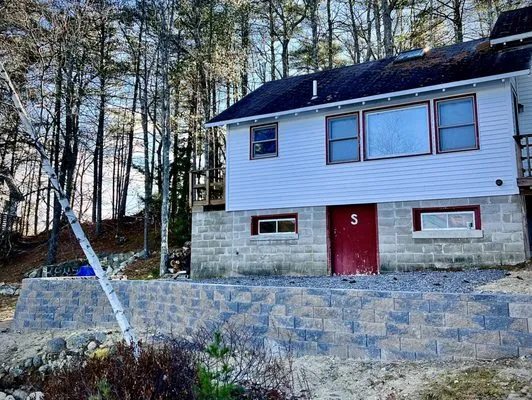
DeWitt Outdoor Services is a trusted Kittery, Maine contractor specializing in lawn care, excavation, and masonry/concrete solutions. Many local homes face landscaping challenges like dead lawn patche...

Jess Dorr Landscapes serves Kittery, Maine, offering professional gardening, landscape design, and ongoing maintenance services. We understand the local challenges homeowners face, particularly tree r...
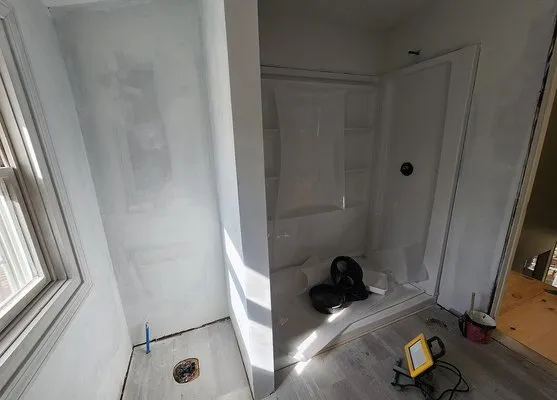
General Maintenance and Construction
General Maintenance and Construction is a trusted, full-service contractor serving Kittery, ME, and the surrounding Seacoast region. We specialize in landscaping, drywall installation and repair, and ...
Common Questions
How can I maintain a healthy lawn under Kittery's voluntary water conservation?
Smart Wi-Fi soil moisture sensor controllers are the standard for efficient irrigation in Zone 6a. These devices schedule watering based on real-time evapotranspiration (ET) data and soil conditions, preventing overwatering. For a Kentucky Bluegrass and Fine Fescue mix, this technology delivers water only when the root zone requires it, conserving significant municipal water while maintaining turf health. This approach aligns perfectly with Stage 1 voluntary conservation goals.
How quickly can a crew respond for storm damage or HOA compliance in Kittery?
For emergency cleanups, a crew can typically be dispatched from John Paul Jones Memorial Park to a Foreside address within 20-30 minutes during peak hours, using I-95 for efficient routing. Our fleet includes electric chippers and battery-powered chainsaws that comply with local noise ordinances, allowing for immediate work upon arrival. This rapid response is structured to secure properties and meet municipal or HOA debris-removal deadlines.
What permits and contractor qualifications are needed for regrading my yard?
Regrading a 0.35-acre lot in Kittery often requires a permit from the Kittery Planning and Development Department to ensure compliance with shoreline zoning and drainage ordinances. The contractor must hold appropriate licensing from the Maine Department of Agriculture, Conservation and Forestry, which certifies competency in erosion control and best management practices. This is crucial for preventing sediment runoff into protected water bodies and ensuring the structural integrity of the work.
Why does my Kittery Foreside lawn have drainage and compaction issues?
Most soils here are 69 years old, dating from the average 1957 home construction. Decades of foot traffic and conventional maintenance have compacted the native acidic sandy loam, reducing its permeability. Core aeration every 1-2 years is critical to alleviate this compaction and improve oxygen and water flow to grass roots. Incorporating organic compost further enhances soil structure and water retention in this well-draining profile.
Is local granite or wood a better choice for patio materials in Kittery?
Local granite offers superior longevity and requires minimal maintenance compared to wood, which decays in the humid coastal climate. Granite's non-combustible nature also contributes to defensible space in Kittery's Moderate Coastal Wildland-Urban Interface rating. Permeable installation methods with stone allow for proper drainage, addressing seasonal saturation while providing a permanent, fire-wise landscape structure.
My yard stays soggy long after rain. What's the solution for Kittery's high water table?
Seasonal saturation is common in Kittery's sandy loam due to a high water table. Installing French drains or dry wells can intercept and redirect subsurface water. For hardscape projects, using local granite set with open joints or permeable pavers increases surface infiltration, meeting Kittery Planning and Development Department standards for stormwater management. These systems work with the soil's natural percolation rate to mitigate ponding.
What invasive species should I watch for, and how are they treated near the shore?
Japanese Knotweed and Purple Loosestrife are high-priority invasives in coastal Maine. Treatment involves targeted, non-residual herbicide applications by licensed professionals, timed outside the Shoreland Zoning Act's phosphorus application blackout periods near water bodies. For organic management, persistent cutting and smothering with heavy mulch can be effective, though it requires multiple seasons of diligent follow-up to deplete root reserves.
What are low-maintenance, climate-resilient alternatives to my traditional lawn?
Transitioning to a layered landscape of native plants like Highbush Blueberry, Bayberry, and New England Aster drastically reduces water, fertilizer, and maintenance inputs. These species are adapted to acidic soils and local precipitation patterns, supporting pollinators and biodiversity. This xeriscaping approach also reduces dependency on gas-powered mowers and blowers, future-proofing your property against tightening noise and emissions ordinances.
