Top Landscaping Services in Hudson, ME, 04449 | Compare & Call
There are 56 landscaping companies server in Hudson ME
Atlantic Lawn Care And Landscape
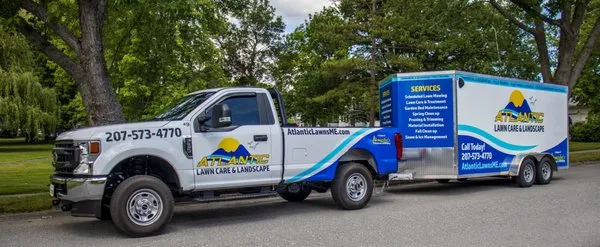
Atlantic Lawn Care & Landscape is a Brewer-based company providing comprehensive year-round property maintenance for both commercial and residential clients. Our professional team handles all aspects ...

Polished Green Lawns is your trusted local partner in Milo, ME, tackling the common landscaping challenges homeowners face. We understand the frustration of irrigation timer failures that leave your l...
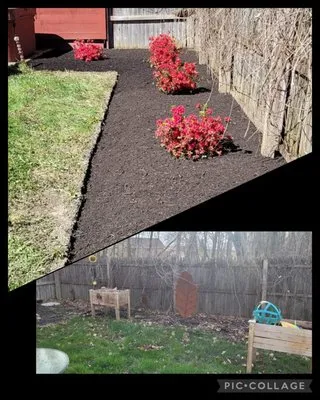
Baker's Landscaping and Property Solutions is a family-owned and operated business proudly serving China, ME, and the surrounding communities. Founded with a single mower and a strong work ethic, we'v...
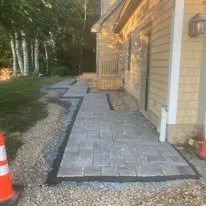
D J Williams And Son Landscaping is a trusted, family-owned business serving Hampden, ME, with comprehensive outdoor solutions. Specializing in excavation, lawn care, and snow removal, they tackle com...
Cunningham Carpentry is your trusted Glenburn-based partner for construction, repairs, and outdoor solutions. As a family-owned business deeply rooted in the community, we understand the challenges lo...
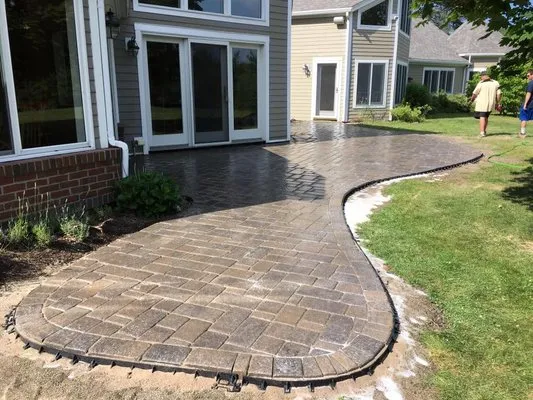
Homsted Earthworks is your local partner for transforming outdoor spaces in Ellsworth, ME. We specialize in bringing your backyard vision to life, whether it involves a new patio, a sturdy retaining w...
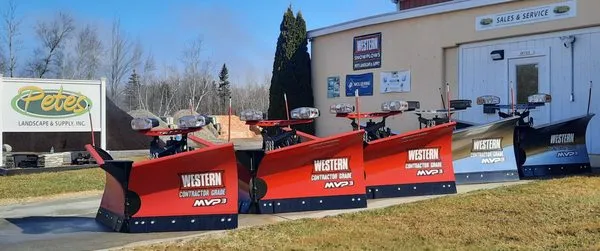
Pete's Landscape & Supply
Pete's Landscape & Supply is a family-owned and operated business serving Bangor, Maine, and surrounding communities like Hermon, Hampden, and Levant. Founded in 2017 by Pete, who started with a small...
Tree Gone & More is a trusted tree service and property care company serving Winterport, ME, and the surrounding area. We provide professional tree work, including removal, pruning, cabling, and trans...
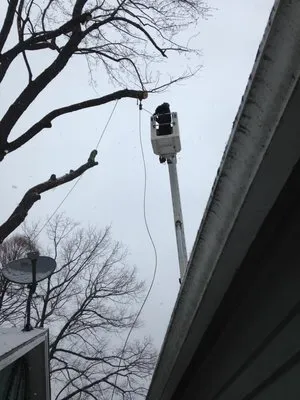
Blue Water Tree & Lawn is a licensed Maine Arborist service with over two decades of dedicated experience serving Charleston, Dover-Foxcroft, and the greater Bangor region. Founded in 2000, the team s...
A&J Handyman Services is your trusted local expert in Sebec, ME, offering comprehensive solutions for both indoor and outdoor home maintenance. We specialize in lawn care, demolition, and painting ser...
Estimated Landscaping Service Costs in Hudson, ME
Frequently Asked Questions
What permits and licenses are needed for major landscape changes?
Grading work on Hudson's typical 1.5-acre lots requires permits from the Hudson Code Enforcement Office for erosion control compliance. Contractors must hold Maine Department of Professional and Financial Regulation licensing for excavation exceeding 100 cubic yards. These regulations ensure proper water management on sloping properties and prevent sediment runoff into watersheds. Professional licensing verifies competency in navigating Hudson's specific drainage and soil conditions.
How quickly can you respond to storm damage for HOA compliance?
Emergency cleanup crews dispatch from the Hudson Town Office within 20-30 minutes during peak response times. They travel Maine State Route 43 directly to Hudson Village Center properties, prioritizing safety hazards like downed limbs. Electric maintenance equipment operates within the 7:00 AM to 9:00 PM noise ordinance window, allowing immediate debris removal while meeting neighborhood standards.
Why does my Hudson Village Center lawn struggle despite regular care?
Hudson's 1989-built homes sit on 37-year-old landscapes with acidic sandy loam soil that has become compacted over time. This soil type naturally resists water infiltration, leading to poor root development in your Kentucky Bluegrass mix. Core aeration every 2-3 years introduces oxygen and improves permeability, while adding composted organic matter adjusts pH toward neutral. These amendments address the soil maturity deficit common throughout Hudson neighborhoods.
Are stone patios better than wood decks for Hudson properties?
Local granite and bluestone offer superior longevity compared to wood in Hudson's climate, resisting frost heave and moisture damage. These materials create defensible space around structures, supporting Hudson's Moderate Wildland-Urban Interface fire rating. Stone hardscapes require minimal maintenance and don't attract wood-boring insects common in Maine. Their thermal mass moderates temperature extremes while providing permanent landscape structure.
Should I install an irrigation system despite Hudson's abundant rainfall?
Manual drip or moisture-sensor timed irrigation provides precise water delivery during dry periods while respecting municipal water resources. These systems apply water directly to root zones of Kentucky Bluegrass and Fine Fescue mixes, reducing evaporation loss. Even without water restrictions, efficient irrigation prevents overwatering that exacerbates Hudson's spring saturation issues. Proper scheduling based on evapotranspiration data maintains turf health with minimal resource use.
What solutions prevent spring flooding in my yard?
Hudson's acidic sandy loam experiences high seasonal saturation and frost heave due to poor drainage capacity. Installing permeable local granite or bluestone pathways allows water infiltration rather than surface runoff. French drains with gravel channels redirect water away from foundations, meeting Hudson Code Enforcement Office runoff standards. These approaches address the soil's limited permeability while preventing erosion during spring thaw periods.
Can I reduce lawn maintenance while supporting local ecology?
Replacing high-maintenance turf areas with native plants like Lowbush Blueberry and Canada Serviceberry creates resilient landscapes. These species require no gas-powered maintenance, aligning with evolving noise ordinance restrictions on equipment. New England Aster and Sweet Fern provide year-round habitat while surviving Hudson's USDA Zone 5a winters without irrigation. This transition reduces weekly mowing needs from May through September.
How do I manage invasive species without chemical runoff concerns?
Japanese knotweed and garlic mustard threaten Hudson's native plant communities through aggressive root competition. Manual removal during early growth stages prevents seed dispersal without violating Maine's phosphorus limitation ordinance. Targeted spot treatments using EPA-approved herbicides avoid broadcast application that could impact nearby water sources. Regular monitoring throughout the growing season maintains ecosystem balance while protecting soil microbiology.
