Top Landscaping Services in Hartford, ME, 04220 | Compare & Call

There are 155 landscaping companies server in Hartford ME
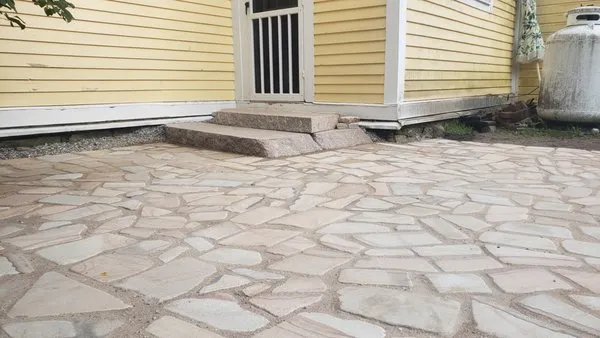
Earth & Turf Landscape Solutions
Earth & Turf Landscape Solutions is a Lewiston-based company founded in 2025, built on over eight years of specialized experience. The owner honed their skills as an install foreman for a mid-coast la...
YardPro is a New Gloucester-based lawn, tree, and junk removal service dedicated to helping local homeowners maintain and improve their outdoor spaces. Founded by Edrick, the company focuses on transf...

Gilliams Landscaping is a full-service landscaping company serving Woolwich, ME, and the surrounding Midcoast region. We specialize in comprehensive landscape solutions, from initial design and earthm...

Colonial Tree & Landscaping
For over four decades, Colonial Tree & Landscaping has been a trusted name in Buxton and the surrounding Maine communities. Founded in 1980 by Ira Stockwell, the company is now a father-and-son operat...
For over three decades, Mr Chimney Handyman has been a trusted, family-run service provider for Portland homeowners. Founded by Randy and now operated alongside his sons, the business brings over 20 y...
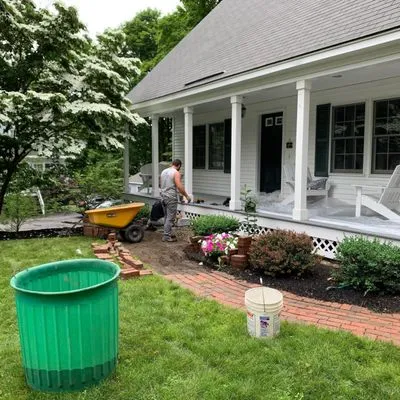
Since 1989, Anything Goes has been the trusted property maintenance partner for Cape Elizabeth residents and businesses. We understand the unique challenges of maintaining a home in our coastal commun...
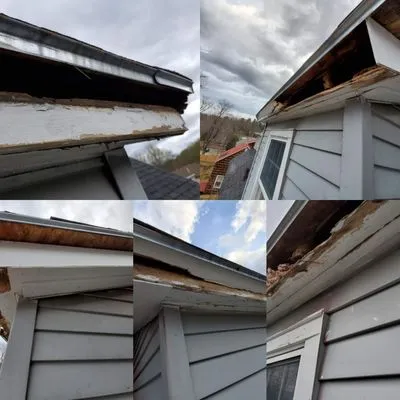
Warren B Landscaping & Construction brings over two decades of hands-on experience to every project in Gorham, ME. Founded in 2018 by Warren, who started learning the trades at age 15 from his father ...
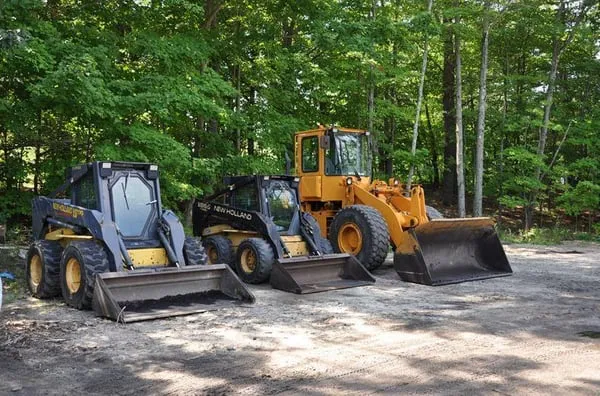
Evergreen is a trusted, full-service landscaping and property care company serving Cumberland Center, ME. We specialize in resolving the common local challenges homeowners face, such as dying shrubs a...
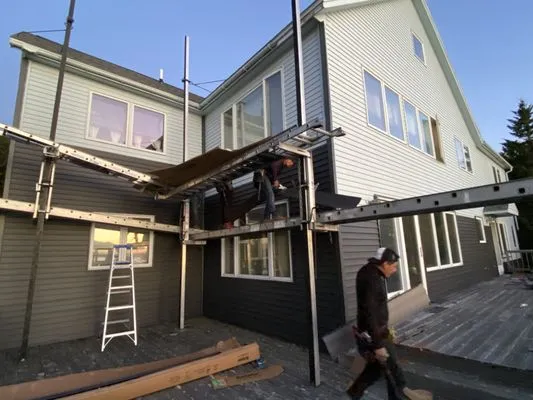
For over a decade, Certified Contracting has been the trusted, local choice for Westbrook homeowners and businesses. As a veteran-owned and operated company, we apply military-grade precision and inte...
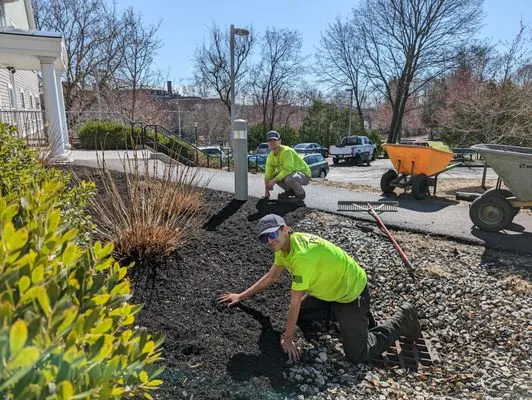
Canyon Springs Landscaping is a veteran-owned, family-operated business proudly serving Turner and the greater Androscoggin area since 2014. Founded and run by brothers Thomas and Ryan Thrasher, the c...
Estimated Landscaping Service Costs in Hartford, ME
Common Questions
What alternatives reduce maintenance while supporting local ecology?
Replacing high-maintenance turf with Sugar Maple, Highbush Blueberry, Winterberry, Sweetfern, and Joe-Pye Weed creates self-sustaining landscapes requiring minimal intervention. These natives thrive in Hartford's Zone 5a conditions without synthetic inputs, reducing mowing frequency from weekly to seasonal. Transitioning to electric equipment ahead of noise ordinance enforcement eliminates gas-blower restrictions while supporting 2026 biodiversity standards. This approach cuts maintenance hours by 70% while providing year-round habitat value and stormwater absorption.
How do we manage invasive species without violating fertilizer restrictions?
Japanese knotweed and garlic mustard pose significant threats in Hartford's disturbed soils near Route 140 corridors. Manual removal during early growth stages prevents seed set without chemical intervention. For persistent infestations, targeted glyphosate applications in fall avoid phosphorus fertilizer blackout dates while minimizing non-target impacts. Always apply during dry conditions with temperature inversions below 5°F to prevent drift. Soil testing every 3 years determines specific amendment needs while complying with statewide phosphorus restrictions for lawn fertilizers.
Why does my Hartford Center lawn struggle despite regular care?
Hartford's acidic glacial till soil (pH 5.5-6.2) has developed over 37 years since typical 1989 neighborhood construction. This soil maturity means compaction has reduced permeability, limiting root access to nutrients. Core aeration every 2-3 years with organic amendments like composted leaves addresses compaction while maintaining the acidic conditions preferred by native plants. Without this intervention, water infiltration rates drop below 0.5 inches per hour, creating runoff issues during spring thaw.
How quickly can you respond to storm damage for HOA compliance?
Emergency cleanup crews dispatch from Hartford Town Hall via Route 140, arriving within 45-60 minutes during peak response windows. This routing avoids residential congestion while maintaining compliance with general nuisance noise bylaws during operational hours. Our electric maintenance fleet operates within 10 PM to 7 AM quiet hours, allowing early morning deployment without ordinance violations. For immediate hazard mitigation, we prioritize downed trees blocking access before addressing cosmetic landscape damage.
How do we address seasonal water table issues and frost heave in our yard?
Hartford's acidic glacial till creates poor drainage during spring thaw, exacerbating frost heave susceptibility. Installing French drains with local granite paver overflow channels redirects surface water while crushed stone bases improve subsurface permeability. These systems must achieve 8-12 inches per hour infiltration rates to meet Hartford Town Office Planning Board runoff standards. For severe cases, regrading with 2% minimum slope away from structures prevents water accumulation near foundations during high water table periods.
What irrigation system works best under Hartford's voluntary conservation guidelines?
Manual drip irrigation paired with rain barrel systems maintains Kentucky Bluegrass and Fine Fescue mixes while reducing municipal water use by 40-60%. These systems deliver water directly to root zones at 0.5-2.0 gallons per hour, minimizing evaporation loss. During dry periods, ET-based scheduling ensures irrigation only when evapotranspiration exceeds 0.15 inches daily. This approach preserves turf health while staying well within conservation targets, with rain barrels providing supplemental water during typical 30-day summer dry spells.
Are granite pavers better than wood for patio construction in our area?
Local granite pavers outperform wood significantly in Hartford's climate, with 50+ year lifespans versus wood's 10-15 year replacement cycle. Granite's thermal mass reduces frost heave damage in acidic soils while maintaining permeability when installed with open joints. For properties with Moderate Wildland-Urban Interface ratings, granite provides non-combustible defensible space within 30 feet of structures. Crushed stone bases beneath pavers improve drainage while creating firebreaks that meet current Firewise standards without additional vegetation management.
What permits and licenses are required for grading our 2.5-acre property?
Grading projects exceeding 1 cubic yard of soil movement on Hartford's 2.5-acre lots require Hartford Town Office Planning Board review for erosion control compliance. Contractors must hold Maine Department of Agriculture, Conservation and Forestry licensing for earthwork affecting water tables or wetland buffers. Professional landscape architects should design drainage systems meeting 2026 stormwater management standards, particularly for parcels with seasonal high water tables. Unlicensed grading can trigger enforcement actions including restoration requirements and daily fines until compliance is achieved.
