Top Landscaping Services in Guilford, ME, 04443 | Compare & Call

There are 16 landscaping companies server in Guilford ME

Polished Green Lawns is your trusted local partner in Milo, ME, tackling the common landscaping challenges homeowners face. We understand the frustration of irrigation timer failures that leave your l...
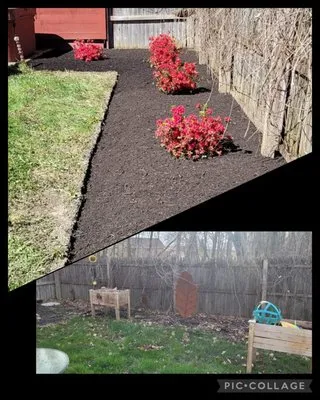
Baker's Landscaping and Property Solutions is a family-owned and operated business proudly serving China, ME, and the surrounding communities. Founded with a single mower and a strong work ethic, we'v...
A&J Handyman Services is your trusted local expert in Sebec, ME, offering comprehensive solutions for both indoor and outdoor home maintenance. We specialize in lawn care, demolition, and painting ser...

Downeast Tractor Service in Steuben, ME, is a locally owned and operated landscaping business that started from humble beginnings. In 2008, the owner purchased a tractor for personal use to manage 30 ...
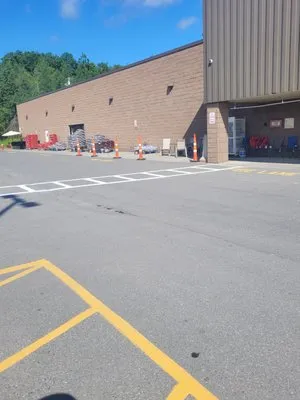
Katahdin Property Services
Katahdin Property Services is a family-owned business with deep roots in Dover Foxcroft and over 20 years of experience in property maintenance across New England. Founded by an owner who began his ca...
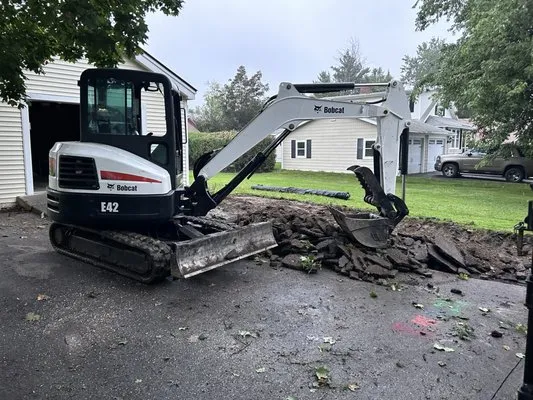
Pave It in Newburgh, ME is a family-owned masonry, concrete, excavation, and landscaping business with 15 years of experience serving residential and commercial clients. Founded by Richard Palmer, a M...

RPV Lawn Care is your trusted local lawn service provider in Levant, ME. We specialize in comprehensive lawn care solutions, with a deep understanding of the common challenges homeowners face in our a...
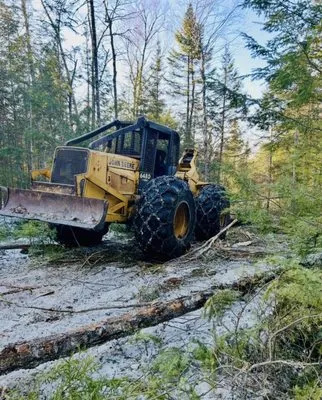
H & S Sitework Construction is a trusted local contractor serving Bangor, ME, and surrounding Penobscot, Piscataquis, and Hancock counties. We specialize in comprehensive sitework solutions, including...

Half G Productions in Solon, ME, is a veteran-owned business specializing in snow removal, lawn services, and pressure washing. With a deep-rooted connection to the community, the owner brings years o...
Central Maine Hydroseeding specializes in creating healthy, resilient lawns for Oakland, ME, properties using the hydroseeding method. This process involves spraying a slurry of water, seed, wood fibe...
Estimated Landscaping Service Costs in Guilford, ME
FAQs
What irrigation system works best with Guilford's water resources?
Manual drip emitters with rain delay sensors optimize water delivery to Kentucky Bluegrass and Creeping Red Fescue root zones while monitoring local water tables. This system reduces evaporation losses by 40-60% compared to traditional sprinklers, staying within municipal water limits despite no current restrictions. ET-based scheduling adjusts for actual evapotranspiration rates rather than fixed timers. Drip lines placed 12-18 inches apart prevent oversaturation of Guilford's sandy loam while maintaining turf health through dry periods.
What invasive species threaten Guilford landscapes?
Japanese knotweed and garlic mustard present primary invasive risks in Guilford's acidic soils, spreading rapidly through rhizomes and seed banks. Treatment involves targeted glyphosate applications during fall translocation periods, avoiding spring blackout dates near waterbodies under Maine's restricted phosphorus regulations. Manual removal before seed set in early summer prevents further establishment. Soil solarization with clear polyethylene during July-August heats upper layers to 120°F, eliminating weed seeds without chemical intervention.
Why does my Guilford Village lawn struggle despite regular care?
Guilford properties average 53 years of soil development since 1973 construction, leading to acidic sandy loam with pH 5.5-6.2 that becomes compacted over time. This soil type in Guilford Village requires core aeration every 2-3 years to improve oxygen exchange and water infiltration. Adding organic amendments like composted leaf mold increases cation exchange capacity, which helps retain nutrients in this naturally acidic profile. Soil testing every 3 years guides precise pH adjustments without overcorrecting.
What permits and licenses are needed for landscape grading?
Grading work on 0.50-acre Guilford lots requires erosion control permits from the Guilford Town Office Planning Board and licensed professionals certified by the Maine Department of Professional and Financial Regulation. State regulations mandate silt fencing and straw wattles for any disturbance exceeding 100 square feet. Licensed contractors carry minimum $500,000 liability coverage for property damage during excavation. Final inspections verify grade changes don't exceed 2:1 slopes to prevent future stabilization issues.
How quickly can you address storm damage for HOA compliance?
Emergency cleanup crews dispatch from Guilford Memorial Library via Route 6 with 45-60 minute regional response times. We prioritize downed branches and debris removal to meet municipal safety standards within 24 hours. Electric maintenance equipment operates within daytime noise restrictions (7AM-9PM) while providing immediate site stabilization. Documentation for insurance claims and HOA compliance is prepared during initial assessment.
Are granite pavers better than wood for Guilford patios?
Local granite pavers outperform wood with 50+ year lifespans versus 10-15 years for pressure-treated timber in USDA Zone 4b freeze-thaw cycles. Granite's non-combustible properties support Moderate Wildland-Urban Interface fire ratings by creating defensible space around structures. Crushed stone bases provide drainage that prevents frost heave damage to paved surfaces. Thermal mass properties moderate temperature extremes, reducing heat island effects compared to synthetic materials.
How do we prevent seasonal flooding in my yard?
Seasonal frost heave and saturated clay pockets require French drains with local granite pavers to improve permeability in acidic sandy loam. These systems redirect surface water while meeting Guilford Town Office Planning Board runoff standards through 30% minimum permeable surface requirements. Crushed stone bases beneath pavers increase infiltration rates to 8-12 inches per hour. Proper grading away from foundations prevents hydrostatic pressure buildup during spring thaw cycles.
Can we reduce lawn maintenance while supporting local ecology?
Replacing high-maintenance turf with Canada Anemone, New England Aster, Joe-Pye Weed, and Serviceberry creates biodiverse landscapes that require 70% less maintenance. These native species establish deep root systems that stabilize Guilford's sandy loam while providing habitat for pollinators. Transitioning to electric equipment anticipates future noise ordinance expansions beyond current daytime restrictions. Xeriscaping principles adapted for USDA Zone 4b reduce watering needs by 50-75% compared to traditional lawns.
