Top Landscaping Services in Glenburn, ME, 04401 | Compare & Call

There are 102 landscaping companies server in Glenburn ME
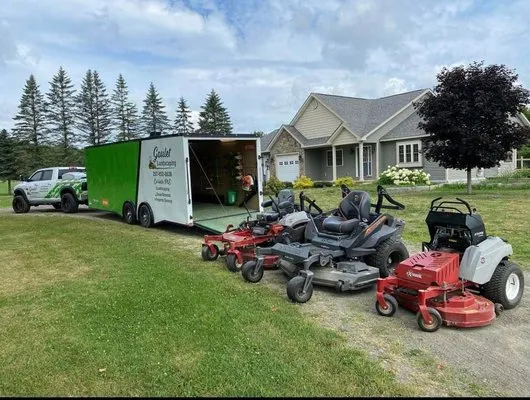
Goulet Landscaping is a trusted lawn care provider serving Bangor, ME, specializing in comprehensive lawn maintenance and irrigation solutions. We understand that local homeowners often face issues wi...
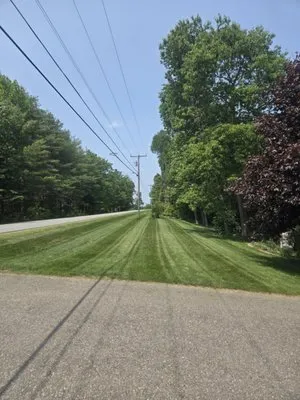
CSK Lawncare is a locally owned and operated landscaping and snow removal business serving Bangor, ME. With three years of dedicated service, we've built a reputation for reliability and a genuine car...
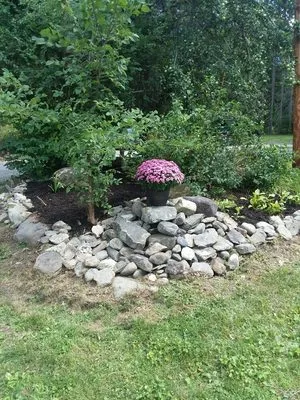
Affordable Lawn Care & More is your trusted local partner for comprehensive outdoor maintenance in Glenburn, ME. We specialize in lawn care, snow removal, and tree services, helping homeowners maintai...
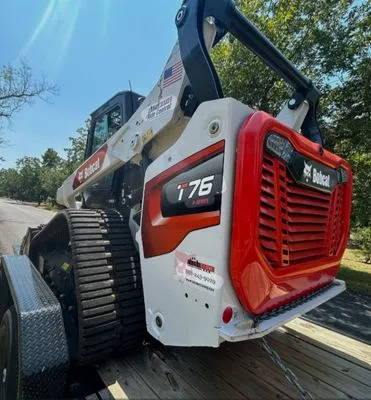
Dirty Seeds is a Glenburn-based, family-operated contractor providing essential property services for local homeowners. We specialize in excavation, demolition, lawn care, and snow removal, offering s...
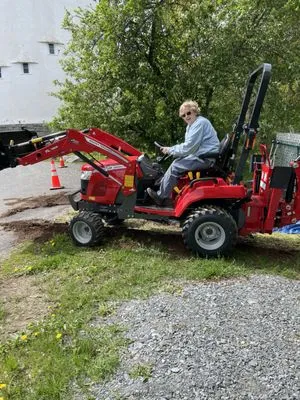
Prim and Properties is a trusted local lawn care and snow removal company serving Bangor, ME. We provide reliable property maintenance, including lawn care, landscaping, clean-up, snow plowing, and ic...
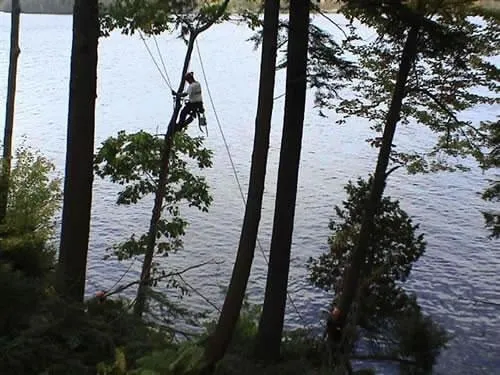
Maine Tree & Landscape Inc is a full-service plant health care company serving Bangor and Central Maine since 1994. Founded and supervised by degreed and certified Arborist/Urban Forester Patrick Audi...
Black Bear Lawn Care is a family-owned landscaping company serving the Greater Bangor, Maine region with over 20 years of dedicated experience. Specializing in comprehensive landscape design, installa...
For over four decades, The Greenworks Landscaping has been a trusted partner for Bangor homeowners, dedicated to enhancing local properties with reliable, quality care. Founded in 1982, our deep roots...
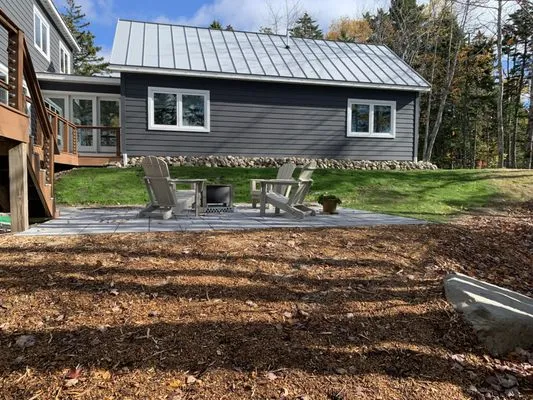
J J A Landscaping Services
J J A Landscaping Services is a full-service landscaping company serving Milbridge, ME, and the surrounding area. We specialize in comprehensive landscape design, construction, and maintenance, includ...
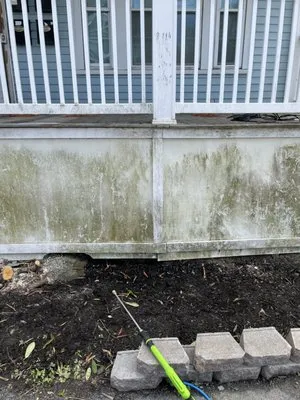
Korti's Homes is a locally-owned and operated home services company serving Bangor and the surrounding areas. Founded on principles of reliability and craftsmanship, we offer a comprehensive range of ...
Estimated Landscaping Service Costs in Glenburn, ME
Q&A
How do I control invasive plants without violating fertilizer regulations?
Japanese knotweed and garlic mustard require targeted herbicide applications during early growth stages (April-May). These treatments avoid Maine's mandatory phosphorus fertilizer ban blackout dates for lake protection. Manual removal with root extraction prevents regrowth in subsequent seasons. Always apply treatments during dry conditions to prevent runoff into watersheds. Monitor treated areas for 2-3 growing seasons to ensure complete eradication without soil contamination.
Which patio materials last longest in Maine's climate?
Local granite outperforms wood by 3-4 times in lifespan, with 50+ year durability versus 15 years for pressure-treated lumber. Permeable concrete pavers maintain structural integrity through freeze-thaw cycles while providing necessary fire-wise defensible space. In Moderate WUI Zone 2 areas, non-combustible materials within 30 feet of structures reduce wildfire risk. These materials withstand USDA Zone 5b temperature extremes (-15°F to 90°F) without significant deterioration.
What solutions work for seasonal flooding in Glenburn's high water table areas?
Seasonal frost-heave and high water tables require graded swales with 2% minimum slope toward designated drainage areas. Permeable concrete pavers installed with open-graded aggregate bases provide 80-90% permeability rates. Local granite dry wells placed 10 feet from foundations capture surface runoff. These systems meet Glenburn Code Enforcement Office requirements for managing the 2.5-inch 24-hour storm event common in acidic sandy loam soils.
Why does my Glenburn Center lawn have such poor drainage and thin grass?
Glenburn Center properties built around 1988 have 38-year-old soil profiles. Acidic sandy loam with pH 5.5-6.0 naturally compacts over decades, reducing permeability to 0.5 inches per hour. This soil requires annual core aeration in early fall to break up compaction layers. Incorporate 0.5 cubic yards of compost per 1,000 square feet to increase organic matter above 3%, which improves water retention while maintaining proper drainage characteristics.
How quickly can you respond to storm damage for HOA compliance?
Emergency cleanup crews dispatch from the Glenburn Town Office within 30 minutes of notification. Route 15 provides direct access to Glenburn Center neighborhoods, with 20-30 minute arrival times during peak conditions. Our electric maintenance fleet operates within standard noise ordinance quiet hours (10 PM - 7 AM) while providing immediate debris removal. We prioritize safety assessments before beginning any cleanup operations on affected properties.
How do I keep my Kentucky Bluegrass healthy without wasting water?
Smart Wi-Fi soil moisture sensors maintain turf health while conserving 30-40% of typical water usage. These controllers use evapotranspiration (ET) data to deliver 1-1.5 inches weekly during May-September peak growth. They automatically bypass irrigation cycles when soil moisture exceeds field capacity. This approach preserves municipal water resources while meeting Kentucky Bluegrass and Fine Fescue requirements of 0.75-1.0 inches per week during active growth periods.
What permits and licenses are needed for grading my 0.75-acre property?
Grading projects exceeding 100 cubic yards of earth movement require permits from the Glenburn Code Enforcement Office. The Maine Department of Professional and Financial Regulation licenses contractors for excavation work on properties over 0.5 acres. Professionals must demonstrate competency in erosion control and stormwater management for the site's specific soil conditions. Unlicensed grading can result in fines up to $5,000 and mandatory restoration of disturbed areas to original contours.
What are low-maintenance alternatives to traditional lawn grass?
Transition 30-50% of turf areas to native plant communities using Lowbush Blueberry, Canada Serviceberry, New England Aster, and Joe-Pye Weed. These species require no supplemental irrigation after establishment and support 3-5 times more pollinator species than traditional turf. Electric maintenance equipment meets evolving noise ordinance standards while reducing carbon emissions. This approach creates self-sustaining ecosystems that thrive in USDA Zone 5b conditions with minimal intervention.
