Top Landscaping Services in Garland, ME, 04939 | Compare & Call
There are 98 landscaping companies server in Garland ME
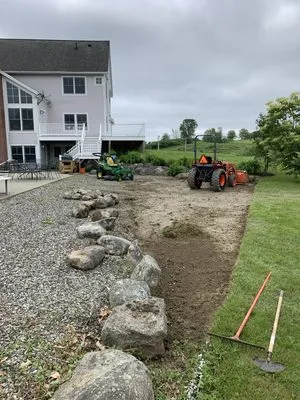
Smith Landscaping is a locally owned and operated business serving Hartland, ME, and the surrounding communities. Founded in 2019 with a mission to make quality landscaping accessible, we focus on del...
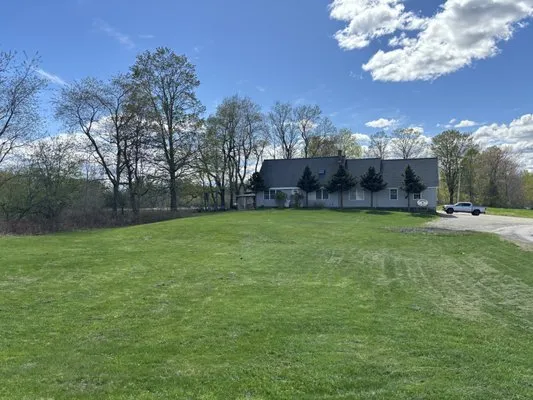
Kulas’s Landscaping and Lawn Care is a dedicated lawn service provider serving homeowners in Dexter, ME. We specialize in comprehensive lawn care solutions tailored to the specific challenges of our r...
Chad Rackliff Carpentry & Landscape is your Harmony-based solution for durable outdoor living spaces and healthier landscapes. We understand the local challenges of dying shrubs and soil compaction, w...

Evans Landscaping And Lawn Services is your local Pittsfield partner for a healthy, vibrant lawn. We understand the common challenges homeowners face in our area, like patchy grass and persistent moss...
Far & Beyond Lawn Care Services
Far & Beyond Lawn Care Services has been a trusted provider in Palmyra, ME, for over 8 years, offering comprehensive outdoor solutions for both residential and commercial clients. Specializing in lawn...
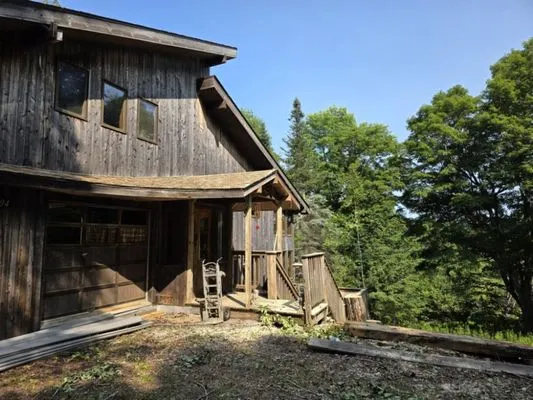
Estabrook is a trusted Pittsfield-based provider of comprehensive outdoor solutions, specializing in tree care, landscaping, and carpentry. We understand the unique challenges faced by local homeowner...

Go Green Lawn Service provides Charleston residents with quiet, professional lawn care using fully electric equipment. We offer mowing, trimming, and power washing, eliminating the noise and fumes ass...
Stars And Stripes Landscaping And Supply is a trusted, locally-owned landscaping company serving Newburgh, ME. We understand the unique challenges of our area, including common problems like uneven sp...
T Tripp & Sons Land Management is a Winn-based excavation, demolition, and landscaping company serving homeowners throughout the area. With expertise in soil backfilling, earthmoving, land grading, an...
Auto Rest Solution
Auto Rest Solution is a trusted local provider in Carmel, ME, offering comprehensive landscaping, excavation, and outdoor power equipment services. We specialize in addressing common local issues like...
Estimated Landscaping Service Costs in Garland, ME
Q&A
What permits and licenses are required for major landscaping projects?
Grading or excavation on Garland's 2.5-acre lots requires permits from Garland Code Enforcement Office for erosion control and stormwater management. Contractors must hold Maine Department of Professional and Financial Regulation licensing for earthwork exceeding 100 cubic yards. This ensures proper engineering for drainage solutions on glacial till soils and compliance with statewide phosphorus restrictions near water bodies, preventing regulatory violations and environmental damage.
How quickly can you respond to a storm-damaged property in Garland?
Emergency cleanup crews dispatch from Garland Town Hall via Maine Route 94, with a 45-60 minute arrival during peak conditions. This response time accounts for debris clearance on rural roads and prioritizes safety assessments before tree removal. For HOA compliance issues requiring immediate attention, we coordinate with Garland Code Enforcement Office to ensure all work meets local standards while addressing urgent property hazards efficiently.
Why does my Garland lawn struggle despite regular care?
Garland's 1980-built homes sit on 46-year-old soil profiles within acidic glacial till (pH 5.5-6.2). This acidic, compacted substrate limits root penetration and nutrient availability, particularly for turf grasses adapted to neutral pH. Garland Village Center lots likely require core aeration to improve soil percolation and organic amendments like compost to buffer acidity. Without these interventions, even established Kentucky Bluegrass will show stunted growth and increased susceptibility to moss invasion.
How do I prevent frost heaving and seasonal flooding on my property?
Garland's acidic glacial till retains water, creating high saturation that leads to frost heaving in USDA Zone 4b winters. Installing French drains with gravel beds improves subsurface drainage, while permeable local granite fieldstone pathways reduce surface runoff. These solutions meet Garland Code Enforcement Office standards for stormwater management by increasing soil permeability and preventing structural damage to foundations and hardscapes during freeze-thaw cycles.
Is granite fieldstone better than wood for Garland patios and walkways?
Local granite fieldstone outperforms wood in longevity and fire resistance, with a 50+ year lifespan versus wood's 15-20 years in Maine's climate. Its thermal mass moderates temperature fluctuations, reducing frost heave damage. For properties with Moderate Wildland-Urban Interface ratings, granite provides defensible space without combustible materials, while its natural permeability meets drainage requirements better than solid concrete installations.
How do I manage invasive species without violating fertilizer regulations?
Garland faces invasive threats like Japanese knotweed and glossy buckthorn that outcompete native vegetation. Treatment involves mechanical removal followed by targeted organic herbicides applied outside statewide phosphorus restriction windows near water bodies. Integrating mycorrhizae inoculants during replanting helps native species establish while improving soil health, creating sustainable resistance against future invasions without chemical dependency.
Do I need an irrigation system with Garland's abundant rainfall?
While Garland has no water restrictions, manual drip irrigation with soil moisture sensors optimizes water use for Kentucky Bluegrass and Fine Fescue blends. This technology prevents overwatering during high saturation periods while maintaining consistent soil moisture during drier weeks. Integrating ET-based scheduling ensures turf receives 1-1.5 inches weekly without contributing to seasonal saturation issues, preserving both lawn health and municipal water resources.
What are low-maintenance alternatives to traditional lawn grass?
Replacing high-maintenance turf with native plantings like Lowbush Blueberry, Canada Serviceberry, New England Aster, and Joe-Pye Weed reduces mowing frequency and supports 2026 biodiversity standards. These species thrive in Garland's acidic soil without supplemental irrigation, and their deep root systems improve soil structure. Transitioning to electric maintenance equipment aligns with daytime noise ordinances while creating habitat corridors that enhance local ecosystem resilience.
