Top Landscaping Services in Falmouth, ME, 04062 | Compare & Call


Full Circle Landscaping is a Falmouth, Maine-based landscaping consultation service with roots in the local community dating back to 1984, when it was first established in Scarborough. As a permacultu...
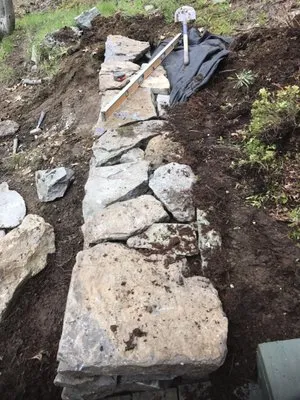
Gnome Landscapes, Design, Masonry & Maintenance is a full-service landscaping company based in Falmouth, ME, specializing in integrating hardscaping, masonry, and softscaping for cohesive outdoor livi...

Eastern Property Service is a full-service property maintenance and improvement company serving Falmouth, ME, and the surrounding areas. We specialize in a comprehensive range of services, from junk r...
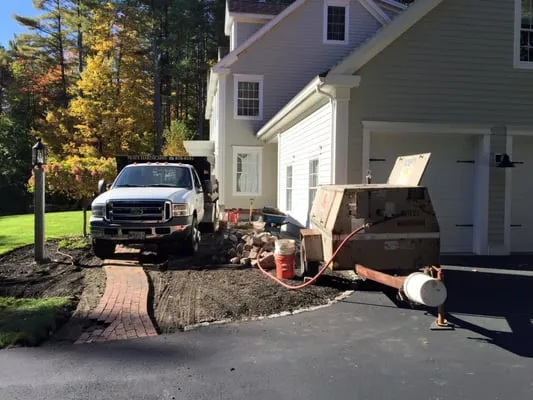
With over 17 years of experience in Falmouth and Barnstable County, Pray's Hardscape brings a passion for creating unique and lasting outdoor environments. Every project is different, which is what ma...

New England Landscapes
New England Landscapes, based in Falmouth, ME, is led by designer Russell, whose lifelong appreciation for nature and formal landscape design education at the University of Maine inform his work. With...

Tony's Services in Falmouth, ME, is a trusted local provider specializing in landscaping and tree services, dedicated to enhancing and maintaining outdoor spaces in the community. With expertise in la...

Vacationland Lawncare is Falmouth's trusted partner for comprehensive lawn and tree care. We understand the unique challenges of local properties, from uneven sprinkler coverage that leaves dry patche...
Yard Garb is a Falmouth, ME-based landscaping company dedicated to solving the common yard challenges faced by local homeowners. We understand the frustration of persistent mulch bed weeds and the pot...
Spotless Solutions is your trusted, full-service outdoor maintenance provider in Falmouth, ME. We understand the common local challenges homeowners face, from malfunctioning irrigation timers that lea...
Polaris Property Services is a Falmouth-based landscaping company founded on a commitment to delivering exceptional value. We keep our client list intentionally small, ensuring I, the owner, am person...
Question Answers
My yard turns into a soggy mess every spring. What's a long-term fix?
This is a classic symptom of Falmouth's high water table meeting compacted clay subsoil. The solution involves improving subsurface permeability. We recommend installing French drains or dry wells in the wettest areas and regrading to direct surface flow away from foundations. For patios or paths, using permeable materials like crushed stone or open-jointed granite pavers increases infiltration, which often helps projects meet Planning and Code Enforcement standards for stormwater management.
What should I do if I spot invasive plants like Japanese Knotweed on my property?
Immediate identification and controlled removal are critical, as invasives outcompete native flora. For a 0.75-acre lot, manual removal may suffice for small infestations, but larger patches often require targeted, professional herbicide application. All treatments must comply with Maine's Phosphorus Ban, which prohibits fertilizer use on established lawns unless a soil test confirms a deficiency. We schedule such interventions outside of sensitive ecological windows to protect pollinators and water quality.
Are granite pavers a better choice than wood for a new patio?
For longevity and low maintenance in Falmouth, granite is superior. It withstands freeze-thaw cycles, resists decay, and requires no sealing or chemical treatment. From a Firewise perspective, a non-combustible hardscape like stone or gravel creates critical defensible space in our Moderate Wildland-Urban Interface rating zone. It provides a permanent, fire-resistant barrier much more effectively than wooden decks, which is a key consideration for landscape planning in our region.
How quickly can you respond for an emergency storm cleanup to meet HOA compliance deadlines?
Our standard emergency dispatch for Falmouth Foreside operates from a central hub near the Town Hall. Using I-295, our electric fleet can typically navigate to most properties within the 20–30 minute window during peak periods, barring major road closures. We prioritize jobs that pose safety hazards or violate municipal codes, coordinating directly with property managers to document conditions and provide immediate debris removal and branch clearing services.
Is it wasteful to run my sprinklers even though Falmouth has no water restrictions?
Stage 0 status does not mean water is unlimited; efficient use preserves municipal resources and prevents nutrient leaching in sandy soils. Modern smart Wi-Fi soil moisture sensor controllers are essential. They irrigate your Kentucky Bluegrass and Fine Fescue mix based on actual evapotranspiration (ET) and root zone moisture, not a fixed schedule. This technology prevents overwatering, which is a primary cause of fungal disease and shallow root systems in our climate.
I'm tired of weekly mowing. Are there lower-maintenance alternatives to grass?
Absolutely. Transitioning sections of lawn to a xeriscape with native, climate-adapted plants significantly reduces maintenance, water use, and noise. Species like Highbush Blueberry, Winterberry, and New England Aster are evolved for our Zone 5b conditions and acidic soils, requiring no fertilizer once established. This shift also future-proofs your property against evolving noise ordinances that increasingly restrict gas-powered blowers and mowers, favoring quieter electric equipment.
What permits and qualifications should I verify before hiring for major grading work?
Any significant alteration of drainage or topography on a 0.75-acre lot typically requires a permit from Falmouth Planning and Code Enforcement. You must hire a licensed Sitework Contractor through the Maine Department of Professional and Financial Regulation. This licensing ensures the contractor carries proper insurance and understands state erosion control and sedimentation laws. Unpermitted grading can lead to fines and neighbor disputes over water runoff, making due diligence essential.
Why does my lawn in Falmouth Foreside seem to thin out and struggle every summer?
Homes built in the early 1970s, like many in this neighborhood, have soils that are now over 50 years old. The native acidic sandy loam has likely become heavily compacted by decades of traffic and mowing, creating a dense clay subsoil layer that restricts root growth and water percolation. This compaction starves the root zone of oxygen and exacerbates drainage issues from our high seasonal water table. Core aeration followed by amending with compost is critical to rebuild soil structure and porosity for healthy turf.
