Top Landscaping Services in Dixfield, ME, 04224 | Compare & Call

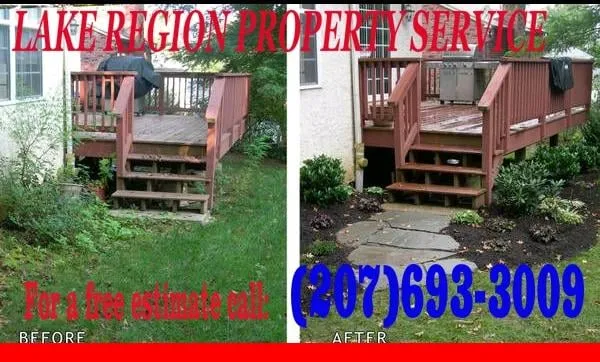
Lake Region Property Service is a family-owned and operated business based in Dixfield, ME, dedicated to providing quality property services at affordable rates. We serve all of Central, Western, and ...
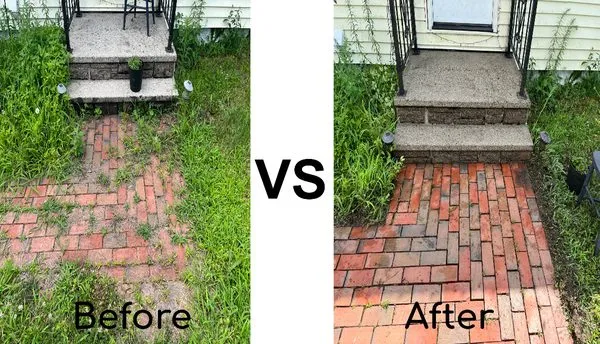
Dixfield Pressure Washing is a locally owned and operated business in Dixfield, ME, founded and run by Brodie Hesketh. As a dedicated high school student entrepreneur, Brodie handles all aspects of th...
FAQs
We've spotted invasive plants like Japanese Knotweed. How do we treat them safely?
Invasive species like Japanese Knotweed require persistent, integrated management. Mechanical removal and targeted, systemic herbicide applications applied directly to the foliage are most effective. All treatments must comply with Maine's statewide phosphorus ban for turf fertilizers, ensuring no regulated nutrients enter the watershed. Treatment timing is critical for translocation to the root system.
How should we set our irrigation system to keep the lawn healthy without wasting water?
Despite abundant local water, efficient practice is advised. For Kentucky Bluegrass and Fine Fescue blends, manual drip irrigation for ornamentals paired with a standard timer for turf is effective. Programming should follow evapotranspiration (ET) principles, applying approximately 1 to 1.5 inches of water per week, split into 2-3 deep watering sessions to encourage drought-tolerant root growth.
We want to reduce mowing and gas equipment use. What are ecologically sound alternatives to lawn?
Transitioning high-maintenance turf to a landscape anchored by Maine natives like Highbush Blueberry, Winterberry, Joe Pye Weed, and New England Aster. These plants support local biodiversity, require minimal inputs once established, and reduce dependency on gas-powered maintenance, positioning your landscape ahead of potential future noise and emission ordinances.
Our yard seems to drain poorly. Is this a common problem for older Dixfield Village homes?
Properties in Dixfield Village, typically built around 1966, have soils with over 60 years of development. The native acidic sandy loam has often become compacted, reducing its percolation rate. This compaction, combined with seasonal saturation, creates poor drainage. Core aeration and incorporating composted organic matter are standard remediation steps to rebuild soil structure and improve permeability.
Our driveway and patio areas contribute to yard flooding. What are the best hardscape solutions?
Seasonal frost heave and saturated soils exacerbate surface runoff. Replacing impervious surfaces with permeable systems using local granite pavers or crushed stone creates a stable, draining base. This approach manages stormwater on-site, reducing erosion and often aligning with the Dixfield Town Office's standards for managing runoff from new installations.
A storm knocked down a large limb. How quickly can a crew arrive for emergency cleanup?
For an emergency cleanup request, a crew can typically be dispatched from the Dixfield Town Common area within 30 minutes during peak conditions. The route utilizes US Route 2 for efficient access to most Village properties. This timeframe allows for the safe mobilization of equipment and personnel to secure the site and begin debris management.
Do we need a permit to regrade our half-acre lot, and what type of contractor should we hire?
Significant regrading on a 0.50-acre lot that alters water flow or involves cut/fill typically requires review by the Dixfield Town Office Planning Board. For the work itself, you must hire a contractor licensed by the Maine Department of Professional and Financial Regulation. This ensures they carry the required insurance and adhere to state standards for excavation and erosion control.
Is a wooden deck or a stone patio better for longevity and safety in our area?
In Dixfield's USDA Zone 5a climate with a Moderate Wildland-Urban Interface rating, local granite pavers offer superior longevity and fire resistance compared to wood. Stone provides a permanent, non-combustible surface that contributes to defensible space. It also withstands freeze-thaw cycles and requires less long-term maintenance than wooden structures susceptible to rot and insect damage.
