Top Landscaping Services in Dedham, ME, 04429 | Compare & Call

Lucerne Lawn & Landscape is a dedicated landscaping company serving Dedham, ME, and the surrounding communities. We specialize in addressing the common local challenges homeowners face, such as tree r...
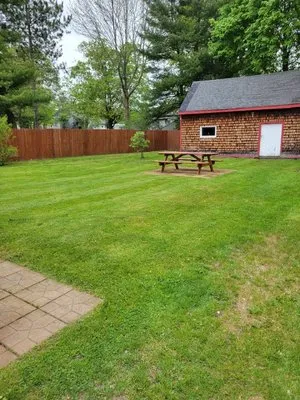
Porter's Landscaping is a trusted, locally-owned landscaping company serving Dedham, ME, and the surrounding areas. We specialize in creating and maintaining healthy, vibrant outdoor spaces that thriv...

C Hamilton Construction
C Hamilton Construction is a trusted, full-service contractor serving Dedham, ME, and the surrounding area. Specializing in landscaping, masonry/concrete, and septic services, we provide comprehensive...
Frequently Asked Questions
What permits and licensing requirements apply to regrading our 1.5-acre lot in Dedham?
Grading projects exceeding 5,000 square feet on 1.5-acre lots require Dedham Town Office Code Enforcement permits for erosion control and drainage compliance. Maine Department of Professional and Financial Regulation licensing mandates that contractors performing earthwork hold specific classifications for excavation and site preparation. These regulations ensure proper stormwater management and prevent downstream sedimentation in Phillips Lake watersheds. Professional documentation of soil volumes moved and final contours satisfies both municipal and state oversight requirements.
We need emergency storm cleanup to meet HOA compliance deadlines. What's your response time to Dedham Center?
Our storm response team dispatches from Phillips Lake maintenance facilities, traveling US Route 1A directly to Dedham Center neighborhoods. During peak conditions, arrival occurs within 45-60 minutes with specialized equipment for debris removal and safety assessment. We prioritize routes based on road accessibility and property damage severity, coordinating with local authorities for efficient access. This systematic approach ensures timely compliance with HOA requirements while addressing immediate safety concerns.
How do we maintain our Kentucky Bluegrass and Fine Fescue mix without violating water restrictions during dry periods?
Soil moisture sensor-based drip irrigation systems deliver water directly to root zones with 90% efficiency compared to traditional sprinklers. These systems automatically adjust schedules based on evapotranspiration rates and soil conditions, preserving Dedham's municipal water resources. During dry spells, we program deeper, less frequent watering cycles that encourage drought-resistant root development. This technology maintains turf health while staying well within local well level monitoring guidelines, even during peak summer months.
Our Dedham Center property has acidic soil that struggles to support healthy turf. What's causing this and how can we improve it?
Dedham Center's acidic glacial till soil (pH 5.5-6.2) developed over millennia but residential development around 1988 disrupted natural drainage patterns. With 38 years of soil maturation since construction, compaction from foot traffic and equipment has reduced permeability. Core aeration every 2-3 years combined with organic amendments like composted leaves addresses compaction while gradually raising pH toward neutral. This approach improves water infiltration and root development without chemical interventions.
Our property experiences seasonal flooding and frost heave issues. What drainage solutions work with Dedham's acidic glacial till?
High water tables in acidic glacial till require permeable hardscape materials that manage runoff while preventing frost heave damage. Local granite and bluestone installations with ¼-inch joint spacing and gravel bases create effective infiltration surfaces. We design graded swales that direct water away from foundations while meeting Dedham Town Office Code Enforcement runoff standards. These systems work with natural topography to reduce seasonal flooding without creating erosion problems on adjacent properties.
We've spotted invasive Japanese Knotweed spreading near our property line. How do we treat it without violating fertilizer regulations?
Japanese Knotweed requires targeted herbicide applications during active growth phases, carefully timed outside Maine's phosphorus ban blackout periods for turf fertilizers. We use glyphosate-based treatments in late summer when plants translocate chemicals to root systems, followed by manual removal of remaining shoots. All applications maintain 10-foot buffers from water sources and avoid drift onto desirable vegetation. This integrated approach controls invasives while complying with statewide environmental protections.
What alternatives exist for reducing lawn maintenance while preparing for potential gas equipment restrictions?
Transitioning high-maintenance turf areas to native plantings like Lowbush Blueberry and New England Aster reduces mowing frequency by 70% while supporting local pollinators. These species thrive in Dedham's Zone 5b climate without supplemental irrigation once established. As municipalities consider stricter noise ordinances, native landscapes require only occasional maintenance with electric equipment during permitted hours. This approach creates resilient, biodiverse spaces that align with 2026 sustainability standards.
Should we choose local granite or pressure-treated wood for our new patio considering Dedham's moderate fire risk rating?
Local granite provides superior longevity and fire resistance compared to wood in Dedham's Wildland-Urban Interface zones. Granite hardscapes create defensible space by eliminating combustible materials within 30 feet of structures, addressing moderate fire-wise ratings. Unlike wood that requires chemical treatments and regular replacement, granite withstands freeze-thaw cycles and acidic soil conditions with minimal maintenance. This material choice enhances property safety while providing permanent structure that complements New England architectural styles.
