Top Landscaping Services in Cornish, ME, 04020 | Compare & Call
There are 84 landscaping companies server in Cornish ME
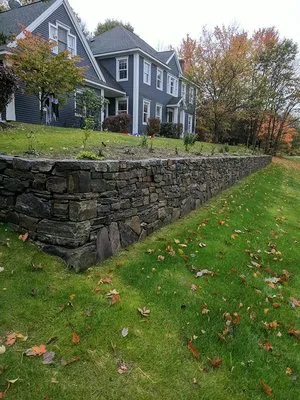
M Abourjaily Stone Construction and Masonry
M Abourjaily Stone Construction and Masonry in Shapleigh is led by a builder with deep roots in both craft and the outdoors. After learning masonry in high school under Harry Grant, he hiked the Appal...
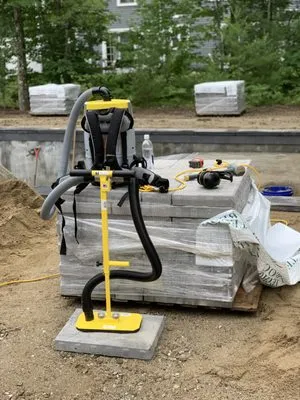
Morin Property Services is a locally owned and operated outdoor living specialist proudly serving Old Orchard Beach and the greater Southern Maine area. We focus on transforming your property through ...

The Local Landscapah is a dedicated lawn care provider serving the Topsham, ME community. We specialize in helping local homeowners overcome common regional landscaping challenges, such as lawn frost ...

Grassassin is a trusted, locally-owned lawn care provider serving the Biddeford community. We specialize in tackling the common and challenging landscaping issues that Maine weather throws your way, f...
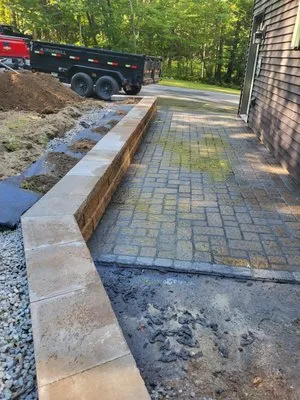
Fineline Groundcare
Fineline Groundcare is a full-service excavation, landscaping, and contracting company serving Mechanic Falls, ME. We help homeowners tackle common local yard problems like dead lawn patches and lawn ...

Founded in 1998, Marstons Tree Service began as a one-person operation with John Marston applying his years of professional tree-cutting experience to serve the Naples community. What started with a s...

Lawn N Lake is a family-owned landscaping and dock company proudly serving Waterford, ME, and the surrounding areas. We combine traditional craftsmanship with a deep understanding of local conditions ...
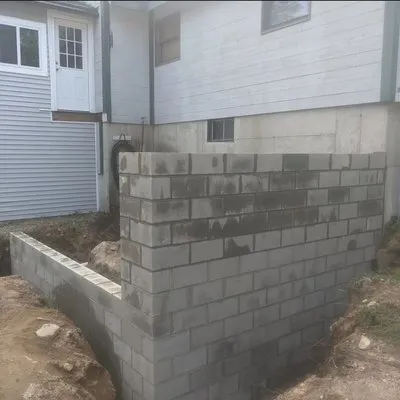
In Brownfield, ME, Mainely Wood & Stone is a licensed masonry contractor with over 32 years of combined experience. They specialize in durable stonework and landscaping, creating driveways, patios, re...

Since 1804, Wallingford Farm has been a cornerstone of the Kennebunk community, growing from its historic roots into a comprehensive garden center and farm store. We provide a wide selection of indoor...
Platt's Property Management
Platt's Property Management is a Sanford-based company offering integrated property care for homeowners and businesses in York and Cumberland counties. With over 18 years of specialized experience fro...
Estimated Landscaping Service Costs in Cornish, ME
Questions and Answers
What solutions address seasonal saturation and frost heave in Cornish's sandy loam soils?
High seasonal saturation in acidic sandy loam requires subsurface drainage systems with 1% minimum slope toward designated infiltration areas. Permeable local granite or fieldstone hardscapes meet Cornish Code Enforcement Office runoff standards while providing stable surfaces resistant to frost heave. French drains wrapped in non-woven geotextile filter soil particles while maintaining water movement. These installations typically reduce standing water duration by 60-80% during spring thaw periods.
How do we maintain Kentucky Bluegrass and Fine Fescue during dry periods with voluntary water conservation?
Drip irrigation with soil moisture sensors optimizes water delivery to root zones while reducing evaporation losses by approximately 40%. This system maintains turf health within municipal water limits by applying 0.5-1 inch weekly based on evapotranspiration rates. Sensor calibration to Cornish's acidic sandy loam prevents overwatering that exacerbates seasonal saturation issues. Voluntary conservation standards are consistently met through precision irrigation scheduling.
How should we manage invasive species while complying with phosphorus limitations?
Invasive species alerts for Japanese knotweed or garlic mustard require mechanical removal before seed set, typically in early summer. Treatment avoids phosphorus-containing products to comply with Shoreland Zoning Act restrictions near water bodies. Organic herbicides with citric acid or clove oil provide targeted control without violating fertilizer blackout dates. Monitoring follows removal to prevent reestablishment through soil disturbance minimization.
Why does my Cornish Village Historic District lawn struggle despite regular care?
Properties in Cornish Village Historic District average 69 years of soil development since 1957 construction, creating compacted acidic sandy loam with pH 5.5-6.5. This soil profile typically exhibits poor water infiltration and limited microbial activity. Core aeration every 2-3 years combined with organic amendments like composted leaf mold addresses compaction while maintaining appropriate acidity for native species. Soil testing through University of Maine Cooperative Extension provides precise amendment recommendations.
What regulations apply to grading and drainage work on 1.5-acre Cornish properties?
Grading projects exceeding 100 cubic yards of earth movement require Cornish Code Enforcement Office permits with erosion control plans. Maine Department of Professional and Financial Regulation licensing mandates certified professionals for drainage system design on lots this size. Shoreland Zoning Act compliance is essential within 250 feet of water bodies, restricting phosphorus use and requiring vegetative buffers. These regulations prevent sedimentation issues in Cornish's sensitive hydrological systems.
How quickly can you respond to storm damage for HOA compliance in Cornish?
Emergency cleanup dispatch originates from Cornish Town Hall with routing via Route 25 to minimize travel time. Peak storm response requires 45-60 minutes accounting for debris clearance on secondary roads. Our electric maintenance fleet complies with the 7:00 AM noise ordinance start time while providing immediate branch removal and safety assessment. We prioritize hazard mitigation over cosmetic restoration during initial response phases.
Why choose local granite over wood for Cornish landscape structures?
Local granite and fieldstone offer superior longevity with 50+ year service life compared to wood's 15-20 year lifespan in Maine's climate. These materials provide non-combustible defensible space crucial in Moderate Wildland-Urban Interface fire risk zones. Granite's thermal mass moderates microclimate temperatures while requiring zero chemical treatments. Properly installed stonework maintains permeability for stormwater management compliance.
What low-maintenance alternatives exist for reducing gas-powered equipment use?
Transitioning turf areas to native plantings like Common Milkweed, New England Aster, and Sweet Fern reduces mowing frequency while supporting 2026 biodiversity standards. These species require no supplemental irrigation once established and provide habitat for pollinators. Electric maintenance equipment operates within noise ordinance parameters while eliminating emissions. This approach typically cuts seasonal maintenance hours by 50% compared to traditional turf management.
