Top Landscaping Services in Bar Harbor, ME, 04609 | Compare & Call

Rabasca Property Services
Adam Rabasca's passion for outdoor spaces and environmental stewardship, rooted in his Environmental Sciences degree from the University of Vermont, is the foundation of Rabasca Property Services. Ser...
Walter J Norwood & Son is a Bar Harbor-based landscaping company dedicated to solving the unique challenges of the local climate. Specializing in lawn care and maintenance, they expertly address commo...

ACADIA Landscape and Design
ACADIA Landscape and Design is a Bar Harbor-based landscape architecture firm established in 2015. As an employee-owned company, we specialize in creating sustainable, natural-looking landscapes on Mo...
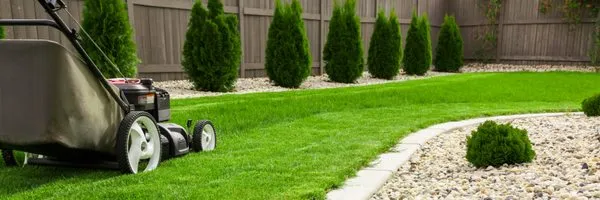
Acadia Lawn Care provides dedicated lawn care services to residents and businesses in Bar Harbor, ME. We understand the unique challenges of the local landscape, where overgrown shrubs and persistent ...
Q&A
How can we maintain our Kentucky Bluegrass and Perennial Ryegrass mix during dry periods while following Bar Harbor's voluntary water conservation guidelines?
Smart Wi-Fi soil moisture sensor controllers optimize irrigation by tracking evapotranspiration rates and soil moisture at root depth. These systems apply water only when the turfgrass mix reaches 50% depletion, typically reducing water use by 30-40% compared to traditional schedules. Programming follows the 5b hardiness zone's growing degree days rather than fixed timers. During voluntary conservation periods, the system automatically adjusts to deeper, less frequent watering cycles that encourage drought-tolerant root development while preserving municipal water resources.
Our property experiences significant water pooling during spring thaw cycles. What drainage solutions work best with Bar Harbor's acidic sandy loam soil and local regulations?
High seasonal saturation in acidic sandy loam requires permeable hardscape solutions that address both surface and subsurface drainage. Local granite pavers installed with open-graded crushed stone bases create infiltration basins that manage frost-thaw cycle runoff. These systems meet Bar Harbor Planning Department runoff standards by achieving 8-12 inches per hour permeability rates. French drains with non-woven geotextile fabric prevent soil migration while directing water away from foundations. Proper grading at 2% slope ensures compliance with municipal drainage codes.
We've noticed invasive Japanese Knotweed spreading near our property line. How can we treat it effectively without violating Bar Harbor's fertilizer regulations?
Japanese Knotweed requires targeted glyphosate applications during late summer translocation periods, avoiding the no-phosphorus ordinance restrictions for established turf. Treatment should occur before seed set in August, using cut-stem methods that minimize herbicide drift. Soil testing confirms no phosphorus application is needed for the treatment area. Follow-up monitoring for 3 growing seasons prevents regrowth from rhizome fragments. Always coordinate with the Maine Department of Professional and Financial Regulation for licensed applicator requirements when treating invasive species near property boundaries.
We plan to regrade our 0.25-acre lot to improve drainage. What permits and professional licensing requirements should we anticipate for this work in Bar Harbor?
Grading work on 0.25-acre lots requires a Bar Harbor Planning Department land disturbance permit, especially when altering drainage patterns or moving more than 10 cubic yards of material. The Maine Department of Professional and Financial Regulation mandates licensed sitework contractors for projects affecting property drainage or involving engineered fill. Licensing ensures proper compaction testing, erosion control implementation, and adherence to coastal setback regulations. Professional oversight is particularly critical given Downtown Bar Harbor's high water table and seasonal saturation issues that could affect neighboring properties if grading is improperly executed.
We want to reduce lawn maintenance and noise while supporting local ecology. What native plant alternatives would work in our Downtown Bar Harbor landscape?
Transitioning to native plant communities like Lowbush Blueberry, Northern Bayberry, and Sweetfern reduces maintenance frequency by 70% compared to traditional turf. These species require no gas-powered equipment, aligning with evolving noise ordinance restrictions on leaf blowers. Canada Columbine and White Spruce provide year-round structure while supporting pollinator populations. The native palette naturally thrives in acidic sandy loam without supplemental fertilization, creating a self-sustaining ecosystem that exceeds 2026 biodiversity standards for coastal Maine landscapes.
We need emergency storm cleanup to meet HOA compliance standards before the weekend. What's your fastest response time from the Village Green area, and what route do you take?
Emergency response from the Village Green follows Route 3 with a 20-30 minute arrival window during peak conditions. Our electric maintenance fleet operates within the 8:00 PM to 7:00 AM noise ordinance restrictions using muffled equipment. The route prioritizes main thoroughfares to bypass seasonal tourist traffic, ensuring timely debris removal and compliance documentation. We coordinate with the Bar Harbor Planning Department for any required emergency permits during response operations.
We're considering patio materials that will withstand Bar Harbor's coastal climate and fire safety requirements. How does local granite compare to wood for longevity and defensible space?
Local granite pavers offer superior longevity with 50+ year lifespans versus wood's 15-20 year maximum in coastal conditions. Granite's non-combustible nature supports Moderate Fire Wise Rating (WUI Zone 2) compliance by creating defensible space without fuel accumulation. Crushed stone bases provide additional firebreak functionality while maintaining permeability. The material's thermal mass moderates microclimate temperatures, reducing irrigation demands on adjacent plantings. Granite requires no chemical treatments that could leach into the acidic sandy loam soil profile.
Our Downtown Bar Harbor property has struggled with poor drainage and compacted soil. How does the age of our 1963-built home affect soil health, and what specific treatments would address these issues?
With 63 years of soil development since construction, Downtown Bar Harbor lots typically exhibit mature but compacted acidic sandy loam profiles. This soil type naturally develops poor permeability over decades, requiring core aeration every 2-3 years to alleviate compaction. Organic amendments like composted pine bark should be incorporated to improve water retention while maintaining the optimal pH 5.5-6.2 range. Regular soil testing every 3 years monitors nutrient availability and guides targeted amendments without disrupting the established microbial community.
