Top Landscaping Services in West Ocean City, MD, 21811 | Compare & Call

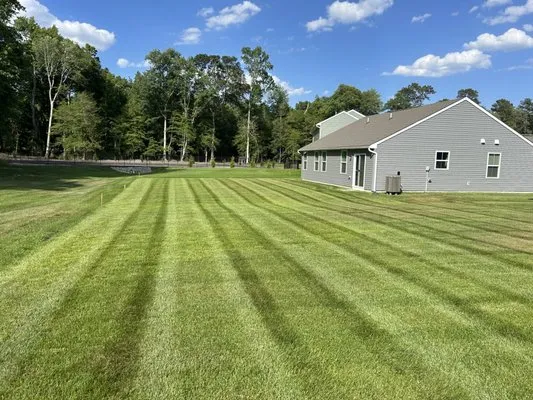
All Turf is your trusted local lawn care specialist serving West Ocean City, MD. We understand the unique challenges homeowners face here, from frustrating irrigation timer failures to overgrown shrub...
Q&A
My yard floods easily. What's the best way to improve drainage?
A high water table and poor infiltration are common on Worcester County's coastal plain due to the sandy loam substrate. Surface solutions like regrading are often insufficient. Installing a French drain system connected to a dry well is effective. Furthermore, replacing impervious surfaces with permeable concrete pavers for patios or walkways increases ground absorption and can help your project meet the Worcester County Department of Development Review and Permitting's stormwater management standards.
I want a lower-maintenance, eco-friendly yard. What should I plant?
Transitioning to a xeriscape or conservation landscape with native species is ideal. Plants like Switchgrass, Bayberry, and Seaside Goldenrod are adapted to local conditions, requiring minimal water and no chemical inputs once established. This approach reduces mowing frequency and eliminates gas-powered leaf blowers, aligning with evolving noise ordinances. A layered planting of these natives also supports local pollinators and enhances biodiversity, creating a more resilient coastal ecosystem.
What are the biggest weed and pest threats and how do I manage them?
In this area, watch for invasive species like Japanese stiltgrass and mile-a-minute vine, which thrive in disturbed soils. For safe control, use targeted manual removal or approved organic post-emergent herbicides, avoiding broadcast applications. Crucially, any fertilizer application must comply with the Maryland Lawn Fertilizer Law, which prohibits phosphorus unless a soil test confirms a deficiency and mandates a total blackout period between November 15 and February 28.
What permits and licenses are needed for a major landscaping project?
Any significant grading, drainage alteration, or hardscape installation on a 0.25-acre lot typically requires a permit from the Worcester County Department of Development Review and Permitting. It is critical to hire a contractor licensed by the Maryland Home Improvement Commission (MHIC), which provides legal recourse and ensures they carry adequate insurance. Unlicensed work can lead to fines, voided warranties, and complications during a property sale.
How fast can you respond for storm debris cleanup or an HOA violation notice?
Our electric fleet is dispatched from a central hub near the Ocean City Inlet. For emergency cleanup in the Ocean Pines South area, we route via US-50, maintaining a target response window of 20-30 minutes during peak storm events. This efficiency is enhanced by our battery-powered equipment, which meets the 7:00 AM to 9:00 PM noise ordinance, allowing us to begin work immediately upon arrival without disturbance.
Are permeable pavers better than a wooden deck for my patio?
For longevity and low maintenance in a coastal environment, permeable concrete pavers are superior. They resist salt spray, rot, and insect damage that plagues wood. Their permeable nature mitigates local pooling from the high water table. From a Fire Wise perspective, their non-combustible material contributes to the required defensible space in this Moderate-risk Coastal WUI zone, unlike a wooden deck which represents a fuel source.
Why does my yard have poor soil and what can I do about it?
Most properties in the Ocean Pines South neighborhood were built around 1994, meaning your landscape soil is about 32 years old. Over three decades of standard maintenance have compacted the native sandy loam, reducing its percolation and organic matter. This compaction restricts root growth for turf and ornamentals. We recommend core aeration in early spring or fall, followed by top-dressing with a locally-sourced, pH-stabilized compost to rebuild soil structure and water-holding capacity.
How do I keep my Tall Fescue healthy under voluntary water conservation?
Smart Wi-Fi ET-based irrigation controllers are the standard solution. These systems use local weather data to apply water only when needed, replacing lost evapotranspiration. This method can reduce water use by 20-40% compared to traditional timers. For sandy loam soils, programming multiple short cycles prevents runoff and ensures deeper water penetration, keeping your turf resilient while adhering to municipal conservation guidelines.
