Top Landscaping Services in Urbana, MD, 21704 | Compare & Call
There are 167 landscaping companies server in Urbana MD
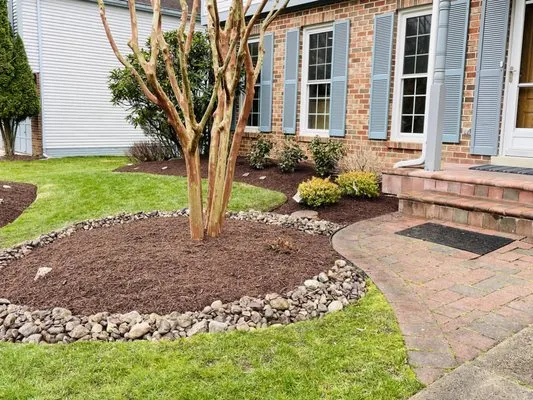
J&A Landscaping has been a trusted partner for Frederick homeowners and businesses for over six years. Our experienced, bilingual team is dedicated to creating and maintaining beautiful, healthy outdo...
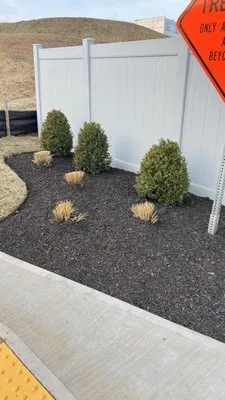
Giron Landscaping serves homeowners and businesses throughout Frederick, MD, providing a comprehensive range of lawn and tree care solutions. We understand the common local challenges, such as sprinkl...
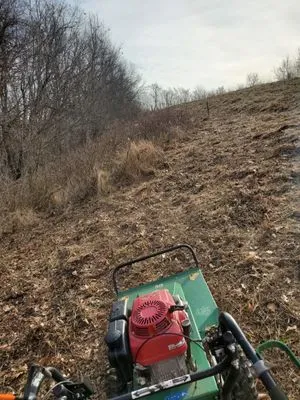
Adam’s Tree & Lawn Care
Adam's Tree & Lawn Care is a trusted local landscaping and tree service company serving Middletown, MD and surrounding Frederick County communities since 2015. Founded by Adam, a Frederick County nati...
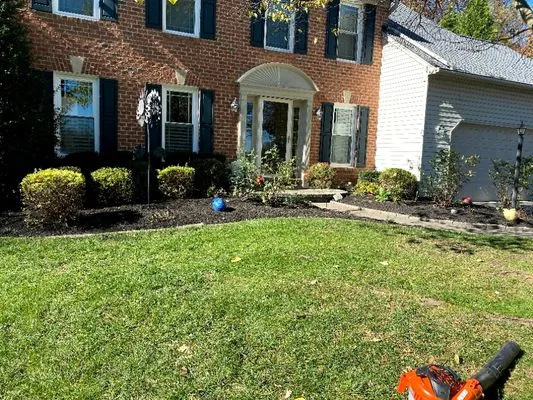
Hudson Landscaping is a family-owned and operated business serving New Market and Frederick County, Maryland. As a local business owner, father, and lawn-entrepreneur, we built our reputation on being...

Nino's Services in Frederick, MD provides expert consultations for home comfort and exterior upkeep. We focus on helping you make informed decisions about your heating and cooling systems, water heate...
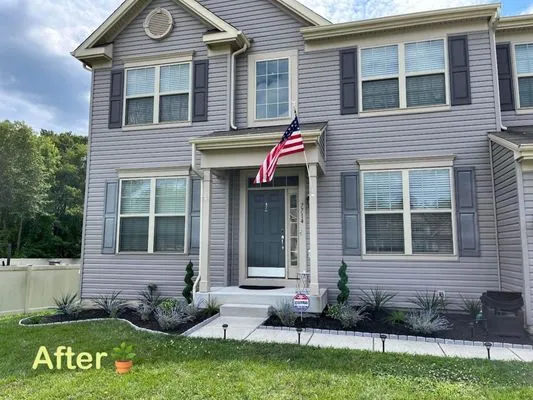
Mafam Landscaping is a Frederick-based company specializing in gardening, landscape design, and lawn care services. With a focus on local expertise, we help homeowners and businesses in Frederick, MD,...
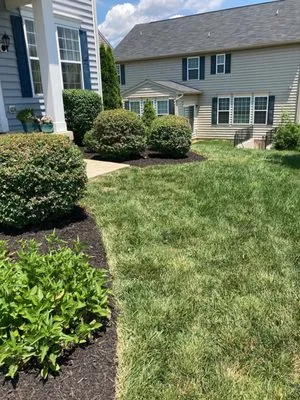
Tibes Landscaping Maintenance serves homeowners across Frederick, MD, with expert landscape design and maintenance solutions. We understand the common local challenges of moss taking over lawns and we...
Quality Lawn Care
Quality Lawn Care is a trusted landscaping service based in Middletown, MD, with nine years of experience serving the Braddock Heights community. We specialize in comprehensive outdoor solutions inclu...
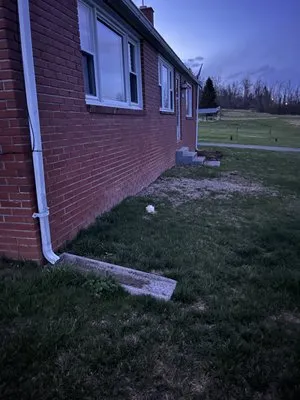
JM Lawn Services is your trusted local partner for lawn care in Sabillasville, MD. We understand the specific challenges homeowners face in our area, particularly the frustrating issues of lawn insect...
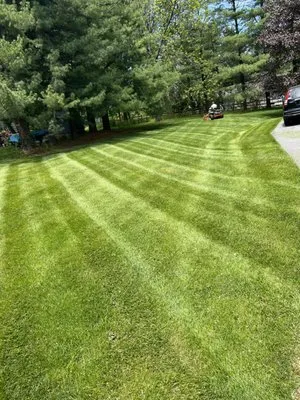
Airy Lawn Service is a trusted, locally-owned provider in Mount Airy, MD, specializing in comprehensive lawn care and reliable snow removal. We understand the unique challenges of our area, including ...
Estimated Landscaping Service Costs in Urbana, MD
Q&A
Why does my lawn have drainage and compaction issues?
Your home, built in 2007, sits on nearly 20-year-old landscaping soil. In Urbana Highlands, the underlying Glenelg-Occoquan silt loam has likely become compacted by construction and routine maintenance, reducing its natural permeability. This soil type can form a dense, hard layer that restricts root growth and water infiltration. Core aeration and adding organic compost are critical to rebuild soil structure, increase oxygen levels, and improve the health of your Tall Fescue turf.
How can I keep my Tall Fescue green without wasting water?
Wi-Fi ET-based weather-sensing irrigation is the standard for water conservation in our Zone 7a climate. This system automatically adjusts watering schedules based on real-time evapotranspiration data, applying water only when your lawn needs it. This precise method keeps Tall Fescue healthy while adhering to Urbana's encouraged conservation status and prevents overwatering, which is especially important given the area's clay subsoil and moderate runoff hazard.
Are permeable pavers a better choice than wood for a new patio?
For durability and permeability, concrete pavers outperform wood in our climate. They do not rot, warp, or require chemical treatments, offering a decades-long lifespan with minimal upkeep. While Urbana has a low Fire Wise rating, using non-combustible materials like pavers contributes to defensible space principles. Their permeable nature also directly addresses local runoff concerns, making them a technically superior and ecologically sound choice.
How fast can you respond to an urgent HOA violation notice?
For emergency cleanup or compliance work, our Urbana-based crews can typically dispatch from Urbana District Park. Using I-270, we estimate a 30-45 minute arrival during peak hours, factoring in local traffic conditions. We prioritize these calls to address issues like overgrown vegetation or storm debris within the restricted noise ordinance hours of 7 AM to 9 PM, ensuring all equipment used meets decibel limits.
My yard pools water after storms. What's a long-term solution?
Pooling water is common with Glenelg-Occoquan silt loam due to clay subsoil compaction that slows percolation. Integrating permeable concrete pavers into patios or walkways creates a functional hardscape that allows water to infiltrate directly into the ground, reducing surface runoff. This approach often aligns with Frederick County's stormwater management standards and can be more effective than regrading alone for managing moderate runoff on a 0.25-acre lot.
What permits and licenses are needed for regrading my yard?
Significant regrading or earth-moving on a 0.25-acre lot in Frederick County typically requires a permit from the Division of Planning and Permitting to ensure compliance with erosion and sediment control plans. Furthermore, any contractor performing this work for compensation must be licensed by the Maryland Home Improvement Commission (MHIC). Hiring an MHIC-licensed professional is legally required for your protection and guarantees they carry the necessary insurance for such projects.
What invasive species should I watch for, and how do I control them?
Common invasive alerts in Urbana include Japanese stiltgrass, mile-a-minute vine, and lesser celandine. Manual removal for small infestations is effective, while targeted, EPA-registered herbicide applications may be necessary for larger areas. Any treatment must comply with the Maryland Lawn Fertilizer Law, which restricts nitrogen and phosphorus content and has specific blackout dates, prohibiting fertilizer application between November 15th and March 1st.
What are low-maintenance alternatives to my high-input lawn?
Transitioning sections of turf to a planting of Maryland natives like Eastern Redbud, Purple Coneflower, Switchgrass, and Swamp Milkweed significantly reduces water, fertilizer, and maintenance needs. This xeriscaping approach builds biodiversity and creates a resilient landscape. It also future-proofs your property against evolving noise ordinances that restrict gas-powered blowers and mowers, as native plant beds require less frequent intervention.
