Top Landscaping Services in Takoma Park, MD, 20910 | Compare & Call
There are 142 landscaping companies server in Takoma Park MD
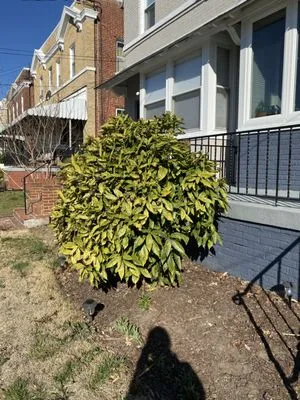
Louis Lawn and Landscaping
Louis Lawn and Landscaping is your full-service partner for creating and maintaining beautiful outdoor spaces in Silver Spring, MD. We provide comprehensive landscape services, from initial design to ...

MAM Landscaping is a trusted, locally owned and operated company serving Capitol Heights, MD. We are deeply committed to enhancing the beauty and health of our community's outdoor spaces, from residen...
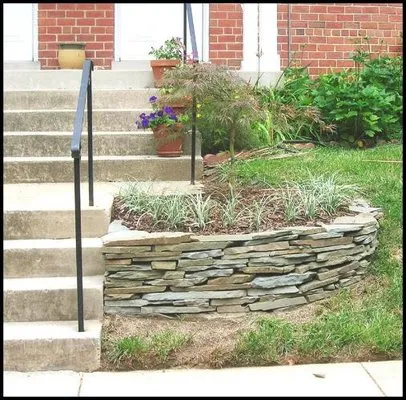
Yard by Yard Makeovers
Yard by Yard Makeovers is a Takoma Park landscaping company led by Brian, whose passion and enthusiasm for his work are matched by the skill of his crew. We specialize in environmentally friendly prac...
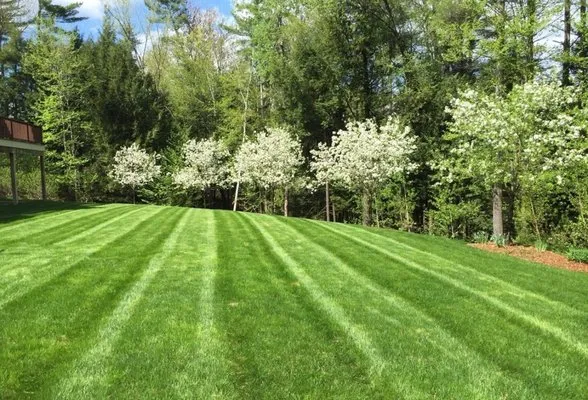
Lanham Express Lawn Care is your local partner for a healthier, more vibrant lawn. We believe a beautiful yard should be accessible, which is why we focus on delivering reliable, detailed lawn care se...

Native Plant Scapes is a landscape design company in North Potomac, MD, dedicated to creating beautiful, functional outdoor spaces with native plants. Our mission focuses on using these regionally app...
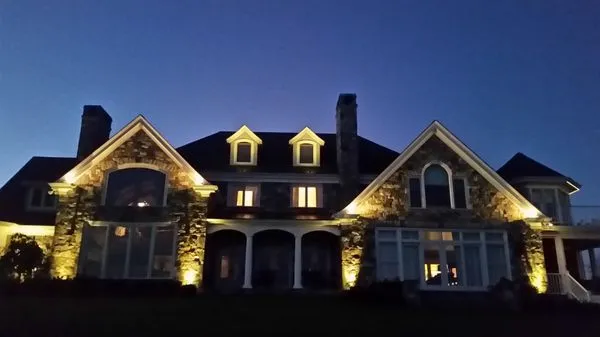
The Landscape Design Center
The Landscape Design Center in Edgewater is a woman-owned, family-operated business with deep roots in our community. For over 40 years, we've been dedicated to creating personalized outdoor spaces, b...

Last Kid Home and Yard Care is a locally owned and operated lawn service in Burtonsville, Maryland, founded by owner Victor. We are neighbors helping neighbors, dedicated to providing reliable, high-q...
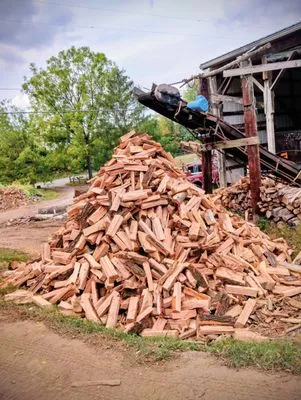
Harris Logging & Firewood is a locally owned and operated family business in Adamstown, MD, dedicated to serving the community's outdoor needs. We provide seasoned mixed hardwood and all-oak firewood ...
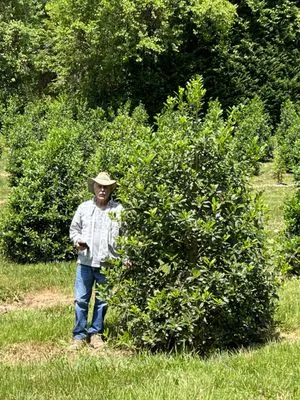
With a B.S. in Botany from the University of Maryland, I founded Pryor's Nursery in Damascus in 1981, combining academic expertise with a passion for plants. Over four decades, we've transformed our 1...
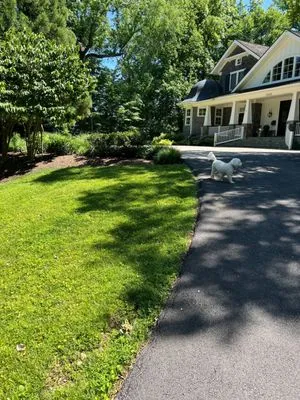
D a R Landscaping is a family-owned and operated business proudly serving Gaithersburg, MD, with over 25 years of combined local expertise. Founded on a commitment to quality and customer care, our fa...
Estimated Landscaping Service Costs in Takoma Park, MD
FAQs
What solutions address moderate runoff in clay-heavy soil?
Glenelg-Elioak Silt Loam's clay-heavy composition creates moderate runoff with 40-50% permeability loss. Installing permeable concrete pavers provides 80-90% infiltration rates, meeting Takoma Park Planning & Development Division runoff standards. Combine with French drains at 1% slope and rain gardens planted with Swamp Milkweed to manage 2-inch storm events without overwhelming municipal systems.
What permits and licenses are needed for grading my 0.15-acre lot?
Grading work on 0.15-acre lots requires Takoma Park Planning & Development Division permits for any soil movement exceeding 50 cubic yards. Contractors must hold Maryland Home Improvement Commission licensing for earthwork, as unlicensed grading risks 5-10% slope instability and runoff violations. Professional licensing ensures compliance with sediment control regulations and proper compaction testing to 95% Proctor density.
Why does my soil seem compacted and acidic even with regular care?
Takoma Park's Old Takoma neighborhood has Glenelg-Elioak Silt Loam soil with pH 5.5-6.2, naturally acidic due to decades of decomposition. With average homes built in 1953, your soil has matured 73 years, accumulating clay-heavy subsoil compaction from foot traffic and equipment. This reduces permeability to 0.5 inches per hour, requiring core aeration every 2-3 years and organic amendments like composted leaf mulch to buffer pH and improve structure.
Are permeable pavers better than wood for durability and safety?
Permeable concrete pavers offer 25+ year longevity versus wood's 10-15 year lifespan with rot risk. Their non-combustible nature supports Low Fire Wise Urban Interface Standards by creating defensible space without fuel accumulation. Unlike wood that requires chemical treatments, pavers maintain permeability ratings above 8 inches per hour for decades with only occasional joint sand replenishment.
How can I reduce maintenance while staying ahead of gas-blower restrictions?
Replace high-maintenance turf with native plantings like Eastern Redbud, Purple Coneflower, and Little Bluestem that require minimal cleanup. These species drop less debris than non-natives, reducing need for leaf blowers during prohibited May 15-September 30 periods. Oakleaf Hydrangea provides year-round structure with only seasonal pruning, creating a self-sustaining landscape that aligns with 2026 biodiversity standards.
How quickly can you respond to storm damage for HOA compliance?
Emergency cleanup crews dispatch from the Takoma Park Community Center via I-495, reaching Old Takoma properties within 20-30 minutes during peak conditions. This response time accommodates immediate debris removal to meet HOA standards after wind events. Crews prioritize electric equipment to comply with noise ordinances while clearing fallen branches and stabilizing compromised trees.
Can I maintain Tall Fescue turf under voluntary water restrictions?
Wi-Fi ET-based weather sensing irrigation systems preserve Tall Fescue while adhering to Level 1 voluntary conservation. These controllers adjust watering schedules daily based on evapotranspiration rates, reducing usage 20-30% compared to traditional timers. They automatically skip cycles during rainfall and reduce runtime during cooler periods, maintaining turf health within municipal water limits without manual intervention.
What invasive species threaten my garden and how do I treat them safely?
Japanese stiltgrass and garlic mustard pose high-risk invasions in USDA Zone 7b, outcompeting natives within 2-3 growing seasons. Manual removal before seed set in early spring avoids violating Maryland Fertilizer Use Act phosphorus restrictions. For persistent infestations, apply iron-based herbicides during October-November windows when soil tests indicate deficiency, never during spring blackout dates when runoff risks are highest.
