Top Landscaping Services in South Gate, MD, 21060 | Compare & Call
There are 188 landscaping companies server in South Gate MD
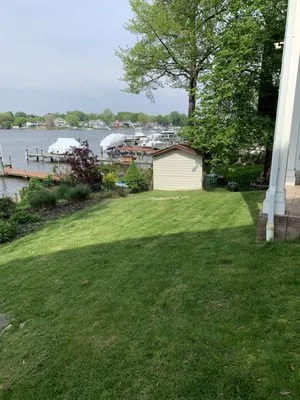
Romon's Lawncare is a Pasadena-based lawn service founded in 2021 by Romon, who started the business right after high school to deepen his landscaping knowledge and master his craft. Driven by the goa...
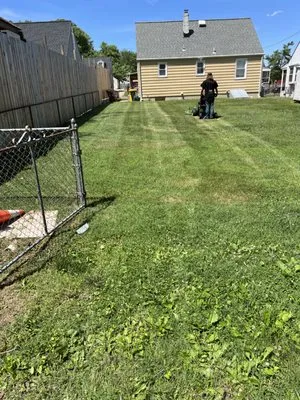
From the Ground Up Landscape and Design
From the Ground Up Landscape and Design began in 2021 as a family's answer to a personal challenge. When founder lost his job, he turned a lifelong passion and deep knowledge of landscaping into a way...
Patapsco Valley Lawn & Landscape has been a trusted local landscaping provider in Elkridge and surrounding Central Maryland communities since 1991. Originally founded as Tidewater Landscaping to offer...
Aspen Grove Landscape is a family-owned and operated landscape contracting firm that has been serving the Millersville, MD community since 1995. Licensed by the Maryland Department of Agriculture as a...
ACE Lawn & Landscaping is a locally-owned, full-service turf management company serving Millersville and the surrounding areas. We specialize in custom-designed landscaping solutions tailored to each ...
Mr V LAWN & LANDSCAPE MAINTENANCE is your trusted local lawn care provider in Glen Burnie, MD. We understand the common landscaping challenges homeowners face here, such as persistent mulch bed weeds ...
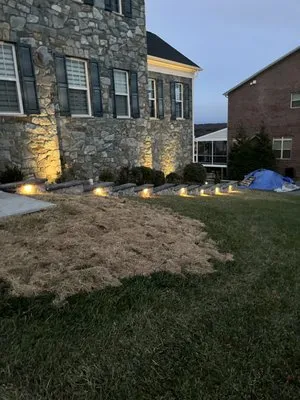
Batz Landscaping is a trusted local landscaping company serving Glen Burnie, MD, and surrounding areas. We specialize in landscaping, patio coverings, and pressure washing services to help homeowners ...
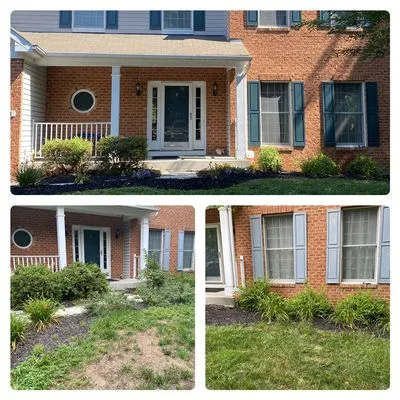
Davis Quinn Enterprises is a locally owned and operated landscaping and remodeling provider serving Pasadena, MD, and surrounding areas. We are committed to delivering professional, timely service for...
Estimated Landscaping Service Costs in South Gate, MD
Common Questions
What permits and licenses are needed for grading work on my lot?
Grading alterations on 0.22-acre South Gate properties require Anne Arundel County Department of Inspections and Permits approval for erosion and sediment control. Contractors must hold Maryland Home Improvement Commission licensing for earth-moving operations exceeding 100 cubic yards. The permit process evaluates impact on Sassafras Sandy Loam structure and adjacent property drainage patterns. Professional licensing ensures compliance with Maryland Fertilizer Use Act during revegetation phases following grading completion.
Should I replace high-maintenance turf with native plants in South Gate?
Transitioning to Eastern Redbud, Switchgrass, Swamp Milkweed, and Black-eyed Susan reduces maintenance frequency ahead of evolving noise ordinances targeting gas-powered equipment. Native plantings require 70% less water than Tall Fescue turf once established, with deeper root systems stabilizing Sassafras Sandy Loam. This approach supports 2026 biodiversity standards while creating habitat for pollinators. Electric maintenance fleets handle native landscape care within restricted hours, eliminating emissions and noise violations.
Can I maintain Tall Fescue turf with current water conservation recommendations?
Wi-Fi ET-based weather sensing controllers optimize irrigation for Tall Fescue while adhering to Maryland's voluntary conservation status. These systems calculate evapotranspiration rates using local weather data, applying 0.75-1.0 inches weekly during April-October growth periods. Programming deep, infrequent watering cycles encourages root development down to 8 inches, reducing runoff on Sassafras Sandy Loam. This approach maintains turf health while using 20-30% less water than traditional timer-based systems.
What solutions address moderate runoff on my 0.22-acre property?
Permeable concrete pavers installed with proper grading create infiltration zones that meet Anne Arundel County Department of Inspections and Permits runoff standards. The 6.2-6.8 pH Sassafras Sandy Loam requires French drains or dry wells in areas with high clay subsoil content. Strategic placement along property perimeters directs water away from foundations while maintaining soil moisture for landscape plants. These systems reduce erosion and prevent standing water that compromises turf health.
Why does my South Gate Estates lawn have drainage issues despite regular care?
South Gate Estates properties average 51 years of soil development since 1975 construction, creating compacted Sassafras Sandy Loam with pH 6.2-6.8. Decades of foot traffic and maintenance equipment have reduced permeability in the topsoil layer. The high clay content in subsoil restricts water movement, requiring core aeration every 2-3 years. Organic amendments like composted leaf mulch improve soil structure and water retention without altering pH balance.
How quickly can you respond to storm damage for HOA compliance in South Gate?
Emergency cleanup crews dispatch from the Arundel Mills District via I-97, reaching South Gate Estates within 20-30 minutes during peak response windows. This routing avoids residential congestion while maintaining compliance with Anne Arundel County's 8:00 AM to 8:00 PM noise ordinance. Crews prioritize safety assessments before deploying electric-powered equipment for fallen limb removal and turf repair on Tall Fescue lawns.
Are permeable pavers better than wood for patio installations?
Permeable concrete pavers outperform wood in longevity and fire safety for South Gate's low urban/suburban interface rating. Unlike wood requiring chemical treatments, pavers maintain structural integrity for 25+ years with minimal maintenance. Their permeability reduces runoff by 50-70% compared to solid surfaces, crucial for properties with moderate drainage hazards. This material creates defensible space without combustible elements, meeting both aesthetic and safety requirements for residential landscapes.
How do I treat invasive species without violating fertilizer regulations?
Japanese stiltgrass and garlic mustard present the highest invasion risks in South Gate's USDA Zone 7b. Manual removal before seed set in early spring avoids Maryland Fertilizer Use Act restrictions on phosphorus applications. Targeted spot treatments with glyphosate alternatives maintain soil microbiome health when applied during dry periods. Organic pre-emergents like corn gluten meal prevent weed germination without affecting the 6.2-6.8 pH balance of established native plantings.
