Top Landscaping Services in Snow Hill, MD, 21863 | Compare & Call

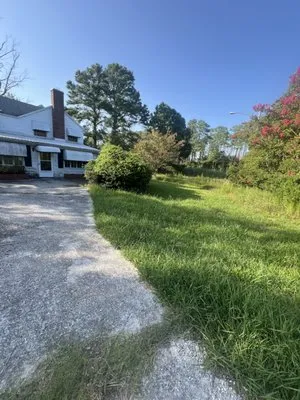
Williams Landscaping is your trusted local partner for a healthy, beautiful property in Snow Hill, MD. We understand the common challenges homeowners face, such as dying shrubs and uneven sprinkler co...
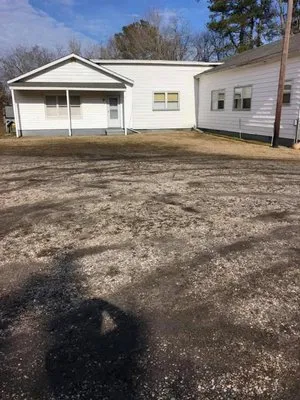
Willie's Lawncare is a trusted landscaping service based in Snow Hill, MD, with nearly 20 years of experience serving the Eastern Shore, including Salisbury and Ocean Pines. We specialize in comprehen...
G-Man's Paving & Lawn Care has been a trusted local business in Snow Hill, MD, for over 30 years. As a locally owned and operated company on the Eastern Shore, we specialize in both paving and lawn ca...
Rodney ""Monty"" Armstrong's landscaping business in Snow Hill, MD, is built on a foundation of hard work and community focus. What began with borrowed tools and a determined mindset has grown into a ...
Eastern Shore Property Maintenance is your trusted local partner for lawn care in Snow Hill, MD. We understand the unique challenges homeowners face on the Eastern Shore, from patchy, thin grass to st...

Stephens' Lawn Service is a trusted, locally-owned business serving Snow Hill, MD, and surrounding areas. We specialize in comprehensive lawn care, reliable snow removal, and professional pressure was...
FAQs
Should I replace some lawn areas with native plants to reduce maintenance?
Transitioning high-maintenance turf to native plantings like Eastern Redbud, Switchgrass, and Inkberry Holly creates biodiversity corridors that require minimal inputs. These species are adapted to Snow Hill's climate and soil conditions, needing no supplemental fertilizer under Maryland's phosphorus restrictions. Native plantings also support pollinator populations while reducing mowing frequency and gas-powered equipment use. This approach aligns with evolving noise ordinances that increasingly restrict gas blowers in historic districts.
Are concrete pavers better than wood for Snow Hill patio installations?
Concrete pavers offer superior longevity in Snow Hill's humid climate, with 25+ year lifespans versus wood's 10-15 years with constant maintenance. Their non-combustible nature supports the Low Fire Wise rating by creating defensible space without fuel sources. Crushed shell pathways provide additional permeability benefits for the high water table. Both materials withstand freeze-thaw cycles in USDA Zone 7b without significant deterioration, making them cost-effective choices that meet Worcester County's durability requirements for hardscape installations.
How quickly can you respond to an emergency tree cleanup after a storm in Snow Hill?
Our electric maintenance fleet can dispatch from Sturgis Park within 15 minutes, traveling north on US Route 113 to reach most Snow Hill Historic District properties in 20-30 minutes during peak conditions. Electric equipment operates below 65 dBA daytime noise limits, allowing immediate response without ordinance violations. We prioritize safety assessments first, then debris removal using electric chippers and loaders that meet 2026 municipal standards for storm response protocols.
How do I maintain Tall Fescue turf with voluntary water conservation in place?
Smart Wi-Fi soil moisture sensor controllers prevent overwatering by measuring actual soil conditions rather than following fixed schedules. These systems calculate evapotranspiration rates specific to Snow Hill's USDA Zone 7b climate, applying water only when soil moisture drops below optimal levels for Tall Fescue. This approach typically reduces municipal water use by 30-40% while maintaining turf health. The technology automatically adjusts for rainfall and seasonal changes, ensuring compliance with conservation guidelines.
Why does my Snow Hill Historic District lawn struggle with compaction and poor drainage?
Properties built around 1971 have 55-year-old soil profiles where Sassafras Sandy Loam has become compacted from decades of foot traffic and equipment use. This soil type naturally has moderate permeability, but compaction reduces pore space, limiting water infiltration to the high water table. Core aeration in early spring creates channels for oxygen, water, and organic amendments to reach root zones. Adding composted organic matter improves soil structure and supports microbial activity in the pH 5.8-6.5 range.
What permits and licenses are needed for grading my 0.25-acre lot?
The Worcester County Department of Development Review and Permitting requires erosion and sediment control plans for any grading disturbing more than 5,000 square feet. On 0.25-acre lots, this typically triggers permit requirements. Contractors must hold Maryland Department of Agriculture Nutrient Management certification if applying soil amendments during the process. Professional licensing ensures proper slope stabilization and drainage integration with existing systems, preventing runoff violations. Always verify current requirements as 2026 standards may include additional stormwater management criteria.
How do I manage invasive species without violating fertilizer blackout dates?
Identify invasive plants like Japanese stiltgrass or mile-a-minute vine early through seasonal monitoring. Mechanical removal before seed set is most effective, followed by targeted spot treatments using EPA-approved herbicides during permitted application windows. Maryland's Lawn Fertilizer Law prohibits phosphorus application from November 15 through March 1 unless a soil test confirms deficiency. For persistent issues, soil solarization during summer months can suppress weed seeds without chemical intervention, maintaining ecological balance in your landscape.
What solutions work for poor water infiltration on my Snow Hill property?
High water tables in Sassafras Sandy Loam require permeable hardscape materials like crushed shell or concrete pavers with open joints. These allow surface water to percolate through to subsurface drainage systems rather than pooling. The Worcester County Department of Development Review and Permitting requires stormwater management plans for projects affecting runoff. French drains connected to dry wells can redirect water from foundations while maintaining natural infiltration rates appropriate for the soil's permeability characteristics.
