Top Landscaping Services in Potomac, MD, 20817 | Compare & Call
There are 104 landscaping companies server in Potomac MD
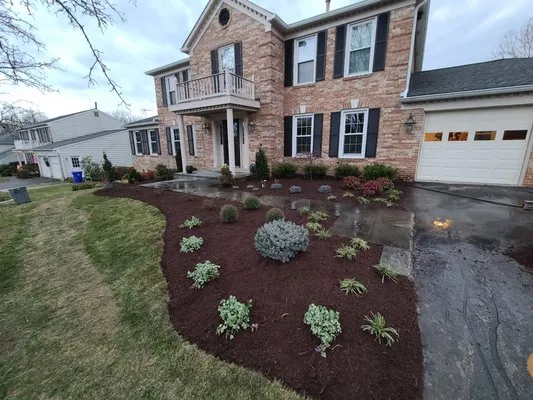
Scapers Landscape Services is a family-owned, woman-led landscaping company serving Silver Spring, MD, and the greater Bethesda area for over 30 years. Licensed as a Maryland Home Improvement Contract...
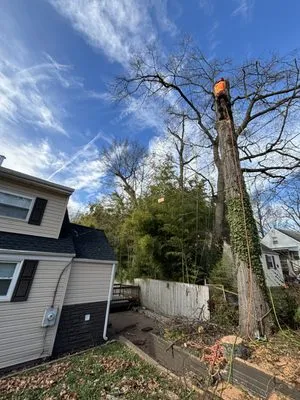
Oliva's Tree Services & Landscaping is a trusted local provider in Silver Spring, MD, specializing in comprehensive tree care and landscape maintenance. We help Silver Spring homeowners address common...
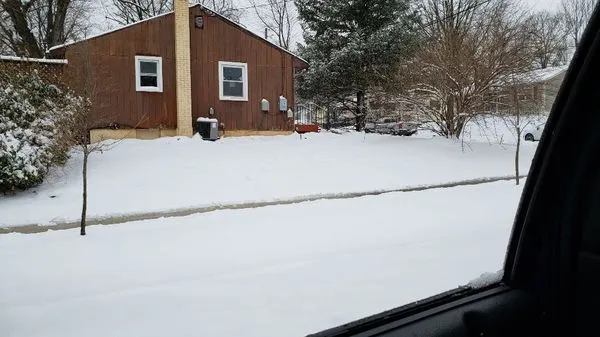
Founded in 2009, Aspen Services began as a dedicated lawn care provider for Montgomery County, MD, building a reputation on reliable weekly mowing and meticulous seasonal cleanups. Over the years, we'...
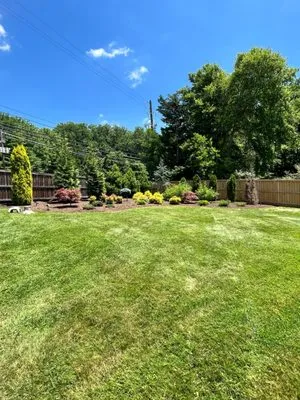
Krobler Landscaping is a trusted Colesville, MD-based company specializing in comprehensive landscaping, tree services, and general contracting. We help local homeowners address common issues like tre...

JC Landscaping is a locally owned and licensed landscaping and tree service company serving Bowie, MD, and the surrounding communities. We are your trusted partner for comprehensive outdoor care, from...

AKM Construction is a locally owned and operated Beltsville company founded by Vladimir Flores. With over 23 years of hands-on experience in construction, Vladimir named the business using the initial...
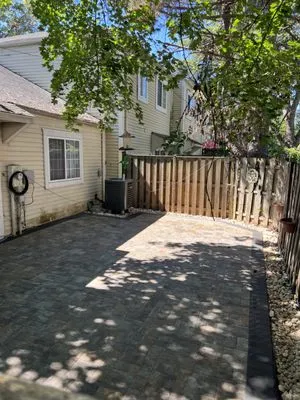
C&G Masonry is a family-owned and operated masonry and landscaping business proudly serving Olney, Montgomery County, and all of Maryland since 1996. Founded and owned by Gus, our company has built a ...
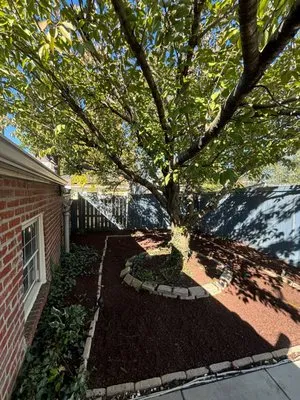
Bluegrass Landscaping & Tree Service is a family-owned and operated business serving Germantown, MD, with 9 years of experience in tree services and landscaping. As the manager of this local company, ...
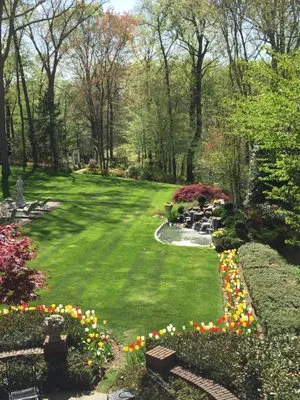
Torres Landscaping is a locally owned and operated company serving the Calverton, MD community for over 11 years. We specialize in comprehensive landscape care and construction, offering everything fr...
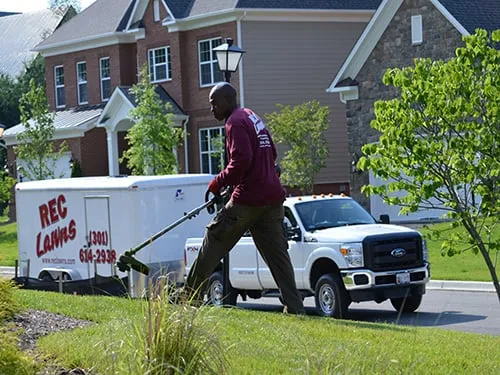
REC Lawns is a family-owned lawn and landscaping company proudly serving the Hyattsville community since 2000. Founded by Russell E. Cooper, the business carries forward a legacy that began with his f...
Estimated Landscaping Service Costs in Potomac, MD
Question Answers
Why does my yard in Potomac Village seem to have such hard, compacted soil?
Homes built around 1987, like many in the area, have soils that have matured for nearly 40 years. The prevalent Glenelg-Elioak silt loam has a naturally dense structure, and decades of standard lawn maintenance and foot traffic have compacted the heavy clay subsoil. This reduces permeability and root penetration. Annual core aeration in early fall, combined with top-dressing compost, is essential to improve soil structure and water infiltration for healthy turf and plantings.
How fast can you respond for an emergency tree cleanup after a storm?
Our dispatch for Potomac Village is coordinated from the Potomac Community Center. For urgent storm response, we route via River Road to I-495, aiming for a 45-60 minute arrival during peak traffic, though severe weather can extend this. We prioritize safety and compliance with Montgomery County's strict 8:00 AM to 6:00 PM commercial noise ordinance, so all operations are planned within that window using our electric fleet to minimize disturbance.
What permits and licenses are needed for a major landscaping project on 2 acres?
Any significant grading, drainage work, or structural installation on a 2-acre lot in Montgomery County requires a permit from the Department of Permitting Services. The contractor must hold a valid license from the Maryland Home Improvement Commission. This is crucial for ensuring work meets county erosion and sediment control standards. Always verify both the contractor's MHIC license and that they pull the proper county permits to avoid liability and compliance issues.
Is bluestone or wood a better choice for a new patio?
For longevity and low maintenance in Potomac's Zone 7b climate, bluestone pavers are superior. They are highly durable, frost-resistant, and do not rot, splinter, or require sealing like wood. From a Firewise USA perspective, bluestone provides a non-combustible, defensible space material, which is a prudent consideration for areas with a moderate fire risk rating. Its permeability also aids in managing the site's runoff issues.
My yard floods after heavy rain. What's a lasting solution?
This is a common issue with Glenelg-Elioak soils due to high runoff from clay subsoil compaction. Beyond installing French drains or dry wells, consider replacing solid impervious surfaces with permeable bluestone paver systems. These meet Montgomery County Department of Permitting Services' stormwater management standards by allowing water to percolate into the ground. For severe cases, regrading with engineered soil may be necessary to direct water away from foundations.
How can I keep my Tall Fescue lawn green during Stage 1 water restrictions?
Wi-Fi ET-based irrigation controllers are the standard solution. They automatically adjust watering schedules by pulling local evapotranspiration data, applying water only when the lawn truly needs it, which can reduce usage by 20-30%. This technology ensures Tall Fescue receives deep, infrequent watering that promotes drought-tolerant roots, keeping it within voluntary conservation limits. Manual overrides should be avoided to maximize system efficiency and compliance.
What invasive species should I watch for, and how do I treat them?
Vigilance is required for invasives like English ivy, Japanese stiltgrass, and mile-a-minute vine. Manual removal is most effective for small infestations. For larger issues, targeted herbicide application must be carefully timed outside the Maryland Fertilizer Use Act's blackout dates and should never contain phosphorus unless a certified soil test confirms a deficiency. Always prioritize methods that preserve soil mycorrhizae and non-target plants.
What are the benefits of switching from lawn to native plants?
Replacing high-input turf with a palette of Eastern Redbud, Switchgrass, and Purple Coneflower significantly reduces water, fertilizer, and weekly mowing demands. This transition supports local pollinators and biodiversity, aligning with 2026 ecological standards. It also future-proofs your property against tightening noise ordinances that restrict gas-powered blowers, as native beds require less frequent maintenance and can be managed with quieter electric equipment.
