Top Landscaping Services in Pleasant Hills, MD, 21047 | Compare & Call
There are 192 landscaping companies server in Pleasant Hills MD
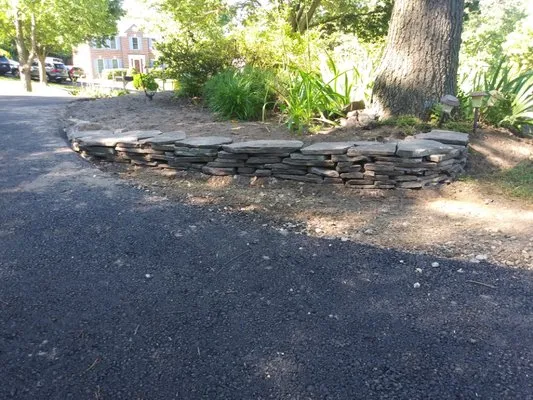
BAJ Landscaping is a full-service landscaping company serving Edgewood, MD, and surrounding areas. We specialize in comprehensive solutions for local homeowners, addressing common challenges like stor...
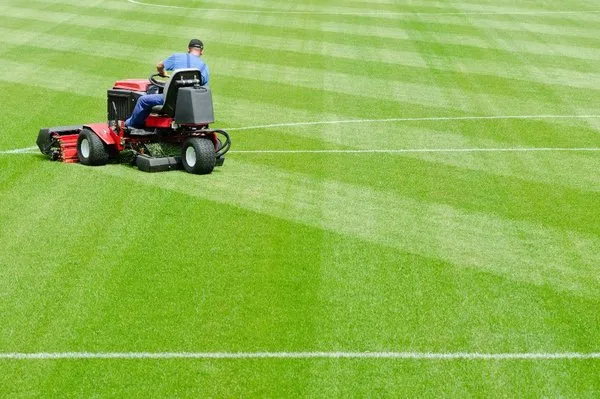
Beautiful Lawns by Ola is a locally-owned lawn service company based in Abingdon, MD, founded in 2017 by Ola, an African male with a passion for lawns and gardening. The business is registered and ins...
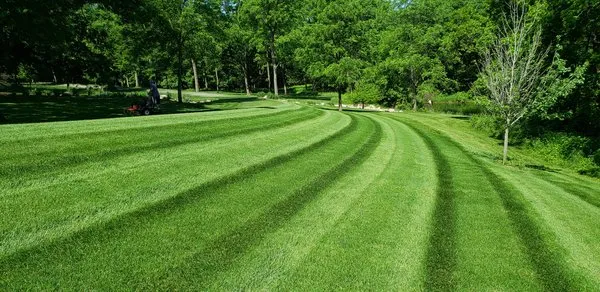
Precision Outdoors is a locally owned and operated landscaping company serving Abingdon and the wider Bel Air community. We focus on building strong relationships with our neighbors by providing perso...
Expert Landscape Management in Joppa, MD, is your dedicated local partner for maintaining beautiful, healthy outdoor spaces in our community. We specialize in addressing the specific challenges Joppa ...

Fry's Stuccoing in Kingsville, MD is a trusted local masonry and landscaping specialist dedicated to enhancing and protecting residential properties. With expertise in stucco, concrete, brick, and sto...
Mac's Emerald Greens Lawn Care
Mac's Emerald Greens Lawn Care is a trusted, locally-owned landscaping company serving Bel Air, MD, and the surrounding Harford County area. We specialize in comprehensive landscape maintenance and pr...
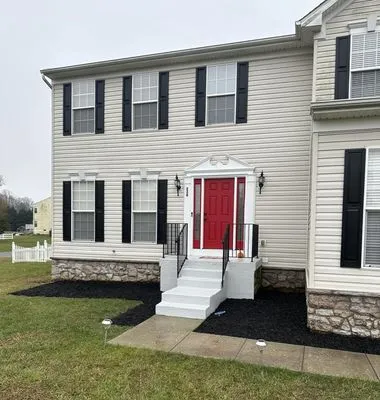
Alpha Lawn Care & Services is a locally-owned business in Baltimore, MD, founded by Carlos in the summer of 2023. What began as a venture to provide additional income quickly grew into a flourishing s...
Executive Landscaping is a trusted, full-service landscaping company serving Bel Air, MD, and the surrounding Harford County area. We specialize in professional snow removal, comprehensive landscaping...
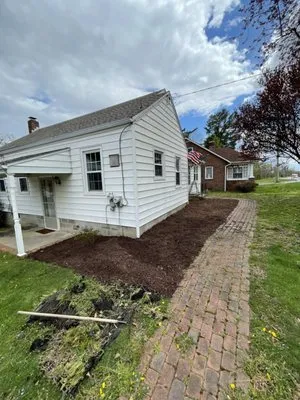
V&M Landscaping is a locally owned and operated landscaping company serving Perryville, MD, and the surrounding areas. We specialize in addressing common local landscaping challenges, such as standing...
Since 1990, Aquatic Effects has been the trusted water feature contractor for the Fallston, Harford County, and greater Baltimore region. We specialize in creating, restoring, and maintaining beautifu...
Estimated Landscaping Service Costs in Pleasant Hills, MD
FAQs
We want a new patio. Why are permeable pavers recommended over wood or traditional concrete?
Permeable concrete pavers offer superior longevity and ecological function. Unlike wood, they resist rot and insect damage without chemical treatments. Their design allows stormwater to infiltrate the soil, mitigating the local runoff hazard, which is a key consideration for Baltimore County approvals. While the urban interface has a low Firewise rating, non-combustible pavers also provide defensible space adjacent to the home.
I'm tired of weekly mowing and loud gas equipment. Are there quieter, lower-maintenance options?
Transitioning to a climate-adaptive landscape is the solution. Replace high-input turf areas with layers of Maryland natives like Eastern Redbud, Switchgrass, and Butterfly Weed. These plants require no mowing, minimal water, and support local biodiversity. This shift also future-proofs your property against tightening noise ordinances that restrict gas-powered blowers and mowers during early morning and evening hours.
We're regrading our yard. What do we need to know about permits and hiring a contractor?
Any significant grading on a 0.35-acre lot that alters water flow requires a permit from the Baltimore County Department of Permits, Approvals and Inspections. You must hire a contractor licensed by the Maryland Home Improvement Commission. The MHIC license ensures they carry insurance and adhere to state regulations, protecting you from liability. Always verify their license number and permit status before work begins.
A storm knocked down a large limb. How quickly can a crew get here for an emergency cleanup?
For an emergency response, a crew can typically mobilize from the Pleasant Hills Community Center area within the hour. Using I-95 for access, we factor a 25-35 minute travel window during peak conditions to reach Pleasant Hills Estates. The primary objective is to make the site safe and clear driveways, with full debris removal following under the county's normal brush collection schedule.
What are the biggest weed threats here, and how do I deal with them safely?
In Pleasant Hills, invasive species like Japanese Stiltgrass and Mugwort are primary alerts. Manual removal before seed set is most effective. For persistent issues, use a targeted, phosphorus-free herbicide in strict accordance with the Maryland Lawn Fertilizer Law, noting its seasonal blackout dates. Promoting dense turf or native ground covers through proper soil health is the best long-term defense against infestation.
How can I keep my Tall Fescue lawn green during summer without wasting water?
Effective irrigation relies on precision, not volume. A Wi-Fi ET-based system uses local weather data to apply only the water lost to evapotranspiration, which is critical under Maryland's voluntary conservation status. For Sassafras sandy loam, this means shorter, more frequent cycles to prevent runoff. Deep, infrequent watering trains grass roots to seek moisture, building drought resilience within municipal guidelines.
Our yard gets soggy spots every spring. What's a lasting solution for Pleasant Hills?
Seasonal saturation is typical for Sassafras Sandy Loam due to moderate permeability. The solution integrates grading and absorption. Installing a French drain system tied to a moderate runoff hazard. Solutions start with regrading to direct water away from foundations and into dry wells or rain gardens. Installing permeable concrete pavers for patios or walkways increases ground absorption, often required by Baltimore County Permits to meet stormwater management standards.
Our lawn looks tired. Does the age of our 1980s home in Pleasant Hills Estates have anything to do with it?
Yes, soil maturity is a primary factor. Your property, built around 1986, has 40-year-old landscape soil. The prevalent Sassafras Sandy Loam compacts over decades, restricting root growth and water percolation. This compaction is why established neighborhoods see seasonal saturation and poor turf health. Annual core aeration and top-dressing with compost are non-negotiable to rebuild soil structure and organic matter.
