Top Landscaping Services in Perryman, MD, 21001 | Compare & Call
There are 167 landscaping companies server in Perryman MD
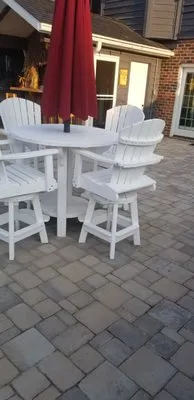
Tdh Landscaping
Tdh Landscaping is a family-owned and operated business with deep roots in Northern Baltimore County. Founded in 1965 by Dick, Tom, and Harry Irvin, the company grew from an 80-acre nursery farm into ...

MowTown Services is a trusted, locally-owned company serving Randallstown, MD, and the surrounding area. We specialize in lawn care, junk removal, and pressure washing, providing comprehensive solutio...

ABC Lawncare and Landscaping is a trusted, full-service provider serving Bel Air, MD, and surrounding areas. We specialize in comprehensive landscaping, snow removal, and junk removal services to keep...
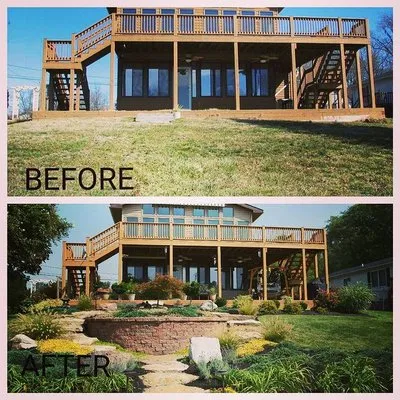
Nature's Image is your trusted Dundalk neighbor for comprehensive outdoor solutions. We help local homeowners tackle common landscaping challenges like overgrown shrubs and patchy lawns through expert...

Founded in 2010 as a father-daughter summer project by Tom Bachur and Lauren, T&L Lawn Care has grown from a small experiment into a trusted, award-winning lawn and snow service provider in Bel Air. W...

Organic Lawns of Baltimore is a locally owned and operated service dedicated to creating healthier, more resilient lawns through organic practices. Founded and run by a Maryland family, we understand ...
Akehurst Landscape is a family-owned commercial landscape company serving Joppa, MD, with over 147 years of experience across six generations. We specialize in commercial grounds maintenance, landscap...
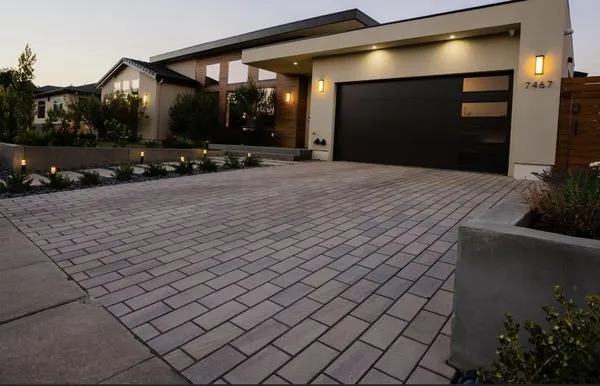
Rock N Roll Hardscapes is a licensed hardscaping and landscaping company proudly serving Pikesville and the surrounding communities. We specialize in transforming outdoor spaces with durable, function...

Pinehurst Landscape Company is a locally-owned, full-service design/build firm based in Glen Arm, MD, with over 50 years of experience serving Baltimore City and the surrounding counties. Our integrat...

ECL Landscaping Service has been a trusted, family-owned business serving the Reisterstown community and surrounding Howard, Carroll, Harford, and Baltimore Counties since 1995. We provide comprehensi...
Estimated Landscaping Service Costs in Perryman, MD
Q&A
We have soggy areas every spring. What's the best long-term fix for our yard?
This indicates the moderate seasonal high water table interacting with your soil. The primary solution is to improve subsurface drainage. Installing a French drain system or dry well in problem areas can redirect water. For any new patios or walkways, specify permeable concrete pavers. These systems increase infiltration and can help your project meet Harford County's current stormwater runoff management standards.
How do we keep our Tall Fescue green during summer without wasting water?
The key is precision irrigation aligned with actual plant needs. A Wi-Fi ET-based system uses local weather data to calculate evapotranspiration and applies only the water lost. For Zone 7b Tall Fescue, this typically means deep, infrequent watering cycles that encourage deep roots. This method keeps your lawn healthy while operating within voluntary conservation guidelines, as it automatically reduces runtime during rainy periods.
Our soil seems tired and compacted. Is this normal for a Perryman Estates home built in the early 80s?
Yes, this is a common profile. Your 44-year-old lot has mature Sassafras Sandy Loam. Decades of standard mowing and foot traffic have likely reduced soil permeability and microbial activity. The sandy loam provides good drainage but becomes compacted over time, restricting root growth and water infiltration. Core aeration and incorporating composted organic matter are the primary treatments to rebuild soil structure and biological function.
Our HOA issued a notice for storm debris. How quickly can a crew get here for emergency cleanup?
For HOA compliance or post-storm emergencies, we can typically dispatch a crew within 24 hours. Our standard Perryman Estates route originates from our staging area near Perryman Park, using I-95 for the most direct access. Accounting for peak traffic conditions, our target arrival window is 25 to 35 minutes from dispatch. We coordinate this to ensure work concludes well before the local 9 PM noise ordinance begins.
We see invasive vines taking over a fence line. How should we handle them?
First, identify the vine; common threats here are English Ivy or Porcelain Berry. Manual removal of roots is best for small patches. For larger infestations, a targeted, systemic herbicide applied directly to the foliage in late summer is most effective. This targeted approach minimizes drift and aligns with the Maryland Lawn Fertilizer Law, as it avoids broad-spectrum applications that could violate nutrient management protocols.
Is a new paver patio a good choice, and how does it compare to a wood deck?
Concrete pavers offer superior longevity and lower maintenance than wood in our climate. They do not rot, warp, or require sealing, and their modular nature allows for repairs without replacing the entire surface. From a safety perspective, their non-combustible nature contributes positively to your property's defensible space, which is a consideration even in a Low Fire Wise rating area like suburban Perryman.
What permits or licenses are needed to regrade and landscape our 0.35-acre lot?
Significant grading that alters water flow or involves more than 100 cubic yards of earth movement requires a permit from the Harford County Department of Planning & Zoning. Furthermore, any contractor performing this work for compensation must be licensed by the Maryland Home Improvement Commission. This licensing ensures they carry proper insurance and adhere to state contracting laws, which is critical for work that affects your property's foundation and drainage.
We want to reduce mowing and gas equipment noise. What are our options?
Transitioning sections of turf to a native plant bed or meadow is the most effective strategy. Plants like Eastern Redbud, Switchgrass, and Butterfly Weed are adapted to our climate and require no mowing or blowers once established. This reduces fossil fuel use, aligns with evolving noise ordinances targeting gas equipment, and provides superior habitat, supporting local biodiversity ahead of 2026 conservation targets.
