Top Landscaping Services in Owings, MD, 20736 | Compare & Call

Blue Palms Landscaping
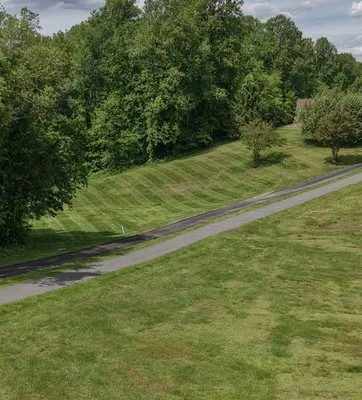
Blue Palms Landscaping is a family-owned landscaping company serving Owings, MD, and surrounding areas. We specialize in comprehensive outdoor solutions including landscaping, gutter services, and pre...
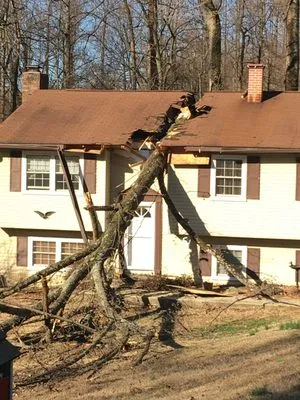
For over four decades, Calvert County Tree Experts has served as a trusted, family-operated tree service in Owings, MD. Our foundation is built on deep expertise, led by an ISA Board Certified Master ...

Clean Cuts Landscaping is a trusted, locally-owned landscaping company serving homeowners in Owings, MD. We specialize in addressing common local landscaping challenges, particularly moss growth in la...
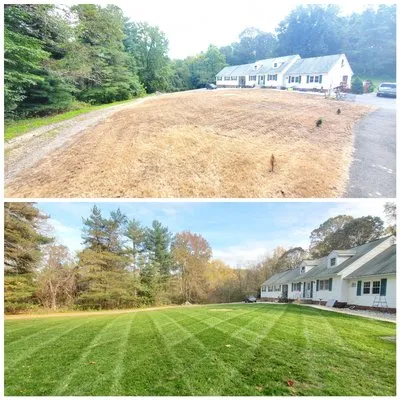
Trades By The Bay in Owings, MD, is a full-service property management company with over 20 years of experience, founded by a former Chief Building Engineer. We specialize in comprehensive property ma...
Green Roots Landscaping
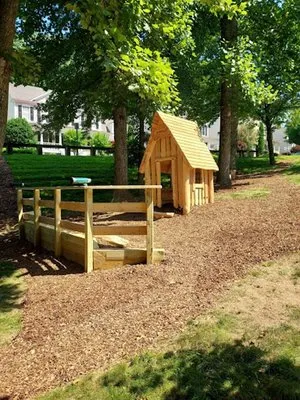
Green Roots Landscaping is a trusted, locally-owned landscape company serving homeowners throughout Owings, MD, and Southern Maryland. We specialize in comprehensive solutions for the unique challenge...

Kinner Property Improvements
Kinner Property Improvements is a trusted local contractor in Owings, MD, specializing in landscaping, general contracting, and junk removal services. With over four years of experience serving Owings...
Miracle Mowers Lawncare Services is a trusted local landscaping provider in Owings, MD, offering reliable and affordable solutions for both residential and commercial properties. We understand that li...
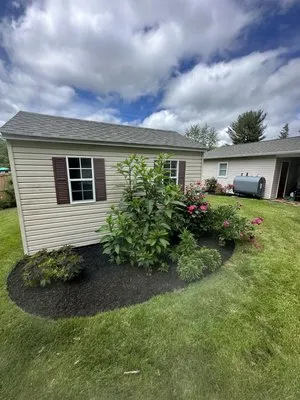
Shippshape Landscaping is a full-service landscaping company serving Owings, MD, and the surrounding Calvert County area. We provide comprehensive solutions from design and installation to ongoing mai...
Chew Creek Landscaping is a full-service landscaping company serving Owings, MD, and the surrounding areas. We specialize in landscaping, tree services, and pressure washing, offering comprehensive so...
Common Questions
What permits and credentials should I verify before hiring for a major grading and drainage project?
Any significant earth-moving or grading on a 0.50-acre lot in Calvert County typically requires a permit from the Department of Planning & Zoning, especially if it alters stormwater flow patterns. The contractor must hold a valid license from the Maryland Home Improvement Commission (MHIC). This licensing ensures they carry insurance and adhere to state regulations, protecting you from liability and substandard work that could cause downstream erosion or property damage.
Why is the soil in my Owings Estates yard so compacted and nutrient-poor?
Most homes in this neighborhood were constructed around the year 2000 on graded Sassafras Sandy Loam. With a soil maturity of only 26 years, the subsoil lacks developed structure and organic matter. This young soil profile leads to poor percolation and compaction, which starves turfgrass roots of oxygen and water. Core aeration and the incorporation of composted organic matter are critical annual practices to rebuild soil biology and improve permeability.
How should I deal with invasive weeds like Japanese Stiltgrass without using restricted fertilizers?
For invasive species alert, manual removal before seed set is the primary control. In cases requiring herbicide, a selective, post-emergent product must be applied during its active growth period, carefully avoiding the Maryland Lawn Fertilizer Law's mandated blackout dates for nutrient applications. Always use phosphorus-free products as required, and consider soil testing to address underlying conditions that may favor weed encroachment over desired turf.
My yard stays soggy for days after a rain. What's the best long-term solution?
This is a common issue with Sassafras Sandy Loam over a high seasonal water table, where poor infiltration causes surface ponding. The most effective solution integrates subsurface French drains with surface grading to direct water away from foundations. Replacing impervious surfaces with permeable clay pavers for patios or walkways further reduces runoff and can help a project meet Calvert County Department of Planning & Zoning stormwater management standards.
Are permeable clay pavers a better choice than composite decking for a new patio?
For longevity and ecological function in Zone 7b, permeable clay pavers are superior. They offer exceptional freeze-thaw durability, require no chemical treatments, and manage stormwater on-site. For properties in Moderate Fire Wise Interface Zones, a paver patio also provides a non-combustible defensible space compared to wooden structures. While the initial install cost is higher, the lifecycle maintenance is minimal and does not involve staining or replacement due to rot.
What are the benefits of replacing some lawn with native plants?
Transitioning high-maintenance turf to a planting of Eastern Redbud, Switchgrass, Black-eyed Susan, and Butterfly Milkweed significantly reduces water, fertilizer, and mowing inputs. This native plant community supports local pollinators and requires no gas-powered blowers for maintenance, aligning with evolving noise ordinances and electric fleet transitions. It also builds a more resilient landscape that adapts to local climate stressors without constant intervention.
How quickly can a crew respond for emergency storm debris cleanup to meet HOA compliance deadlines?
For an emergency dispatch from our base near Fairhaven Park, a crew would travel MD-4 (Southern Maryland Blvd) directly to Owings Estates. During peak traffic windows, this route typically requires 45 to 60 minutes. Once on-site, a team with electric chippers and hauling equipment can clear most debris from a standard 0.50-acre lot within a single business day, ensuring compliance with common HOA storm-related ordinances.
How can I keep my Tall Fescue lawn healthy during voluntary water conservation periods?
Wi-Fi ET-based weather-sensing irrigation controllers are engineered for this precise scenario. They automatically adjust watering schedules using real-time evapotranspiration data, applying water only when the lawn's calculated need exceeds rainfall. This technology prevents overwatering, aligns perfectly with Stage 1 voluntary conservation goals in Owings, and maintains deeper root growth in Tall Fescue, which is more drought-resilient than other cool-season grasses.
