Top Landscaping Services in Mount Rainier, MD, 20712 | Compare & Call
There are 150 landscaping companies server in Mount Rainier MD
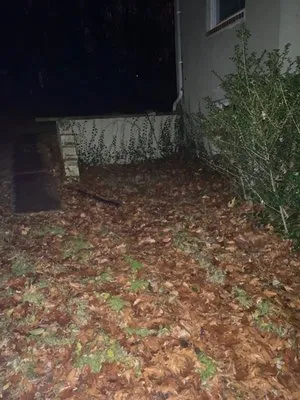
Melecio's Landscaping and Construction is a full-service landscaping company serving Glenn Dale, MD, and surrounding areas. We specialize in comprehensive landscape design, construction, and maintenan...
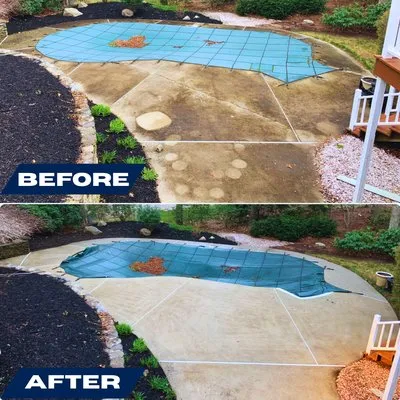
Clean The Lawn Landscaping is a locally owned and operated Bowie business founded by two cousins. Starting in late June, their vision has quickly grown into one of Maryland's fastest-growing landscapi...
Artistic Landscaping
Artistic Landscaping is a licensed and insured landscaping contractor with over 19 years of experience serving residential and commercial properties in Prince Georges County, including Lanham, MD. We ...
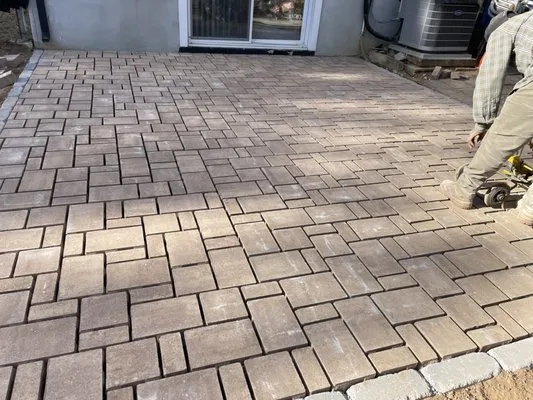
Avalos Stone and Landscape is a full-service hardscaping and landscaping contractor serving homeowners in Riverdale Park, Maryland. We specialize in transforming outdoor spaces with durable masonry, c...
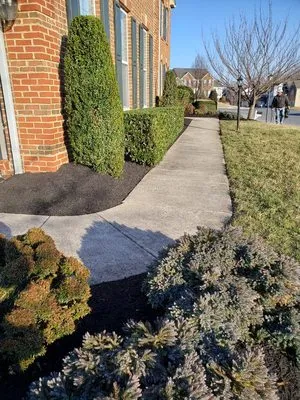
Diaz & Sons Landscaping in Lanham, MD is a family-owned and operated landscaping business founded by Mr. Heron Diaz Espinoza and his sons. What began as a father-and-sons hobby mowing lawns has grown ...
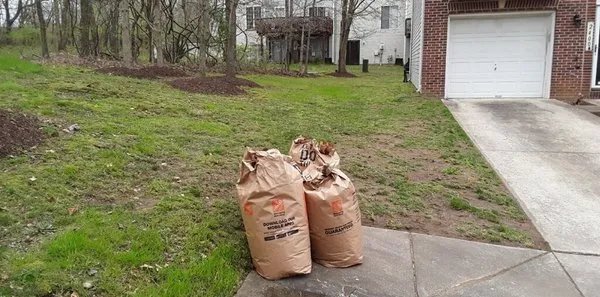
Perfect Lawns has been serving the Landover community since 2009, born from a simple observation: many local lawns needed more consistent, quality care. We focus on providing reliable, professional la...
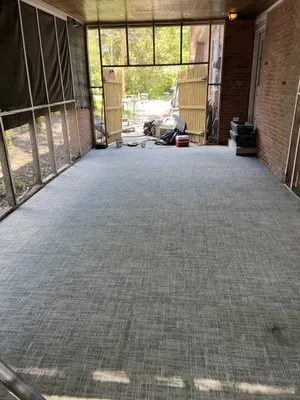
JV Landscape is a trusted, full-service provider for Mount Rainier homeowners, expertly blending interior comfort with exterior beauty. We specialize in professional carpet installation, repair, and r...

Tapis Rouge in Berwyn Heights, MD, is a trusted local service provider dedicated to helping homeowners maintain their properties with ease. We combine expertise in home cleaning, moving services, and ...
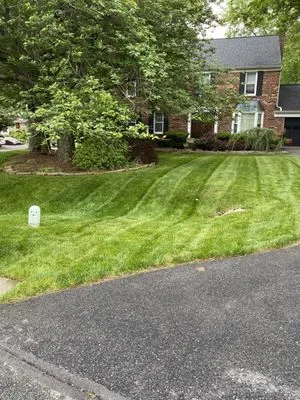
Francisco's Landscaping is a Wheaton-based, full-service contractor serving Montgomery County. We specialize in both the creative design and durable construction of outdoor living spaces, from custom ...
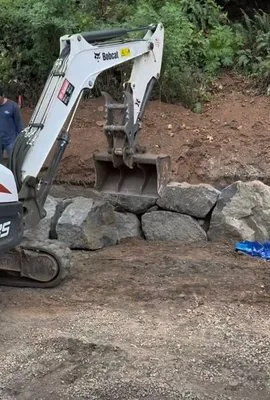
Progressive General Landscaping was born from a Damascus resident's drive to build something of their own. What began with mowing a single yard quickly grew, as neighbors saw the dedication and qualit...
Estimated Landscaping Service Costs in Mount Rainier, MD
Questions and Answers
How fast can you respond for an emergency HOA compliance cleanup?
Our dispatch for urgent service in the Mount Rainier Historic District originates near the Nature Center. Using US Route 1, we can typically navigate to most properties within a 20-30 minute window, even during peak traffic. This efficiency is critical for addressing storm debris or last-minute compliance notices. We coordinate timing to align with standard noise ordinance hours to ensure neighborly conduct.
What permits and credentials are needed for grading my small backyard?
Any significant grading or earthmoving on a 0.12-acre lot typically requires a permit from the Mount Rainier Department of Public Works to ensure proper stormwater management. The contractor must be licensed by the Maryland Home Improvement Commission (MHIC), which provides consumer protection and guarantees a minimum standard of work. This licensing is non-negotiable for projects that alter drainage patterns or soil volume on your property.
Why does my 1950s-era soil feel so compacted and tired?
Soil in Mount Rainier's historic district is often 70+ years old and has experienced significant settling. The prevalent Sassafras Sandy Loam topsoil has likely been depleted of organic matter, while the underlying clay subsoil restricts root growth and water percolation. To restore health, core aeration is essential to relieve compaction, followed by amending with compost to rebuild soil structure and microbial activity. This process directly addresses the high clay content that defines our local soil profile.
My yard floods after heavy rain. What's a long-term fix?
This is a common issue due to the high clay content in our subsoil, which creates moderate runoff. The primary solution is improving soil permeability through aeration and organic amendments. For hardscape areas, replacing impervious surfaces with permeable concrete pavers is highly effective, as they allow water to infiltrate and reduce strain on the municipal system. The Mount Rainier Department of Public Works often encourages such solutions to manage stormwater.
Are permeable pavers a better choice than wood for a new patio?
For durability and function in our climate, permeable concrete pavers are superior. Unlike wood, they do not rot, warp, or require sealing, offering a lifespan measured in decades. Their permeability directly mitigates local runoff issues, a key consideration for Mount Rainier. While our urban setting has a low Fire Wise rating, the non-combustible nature of pavers also provides a permanent defensible space compared to wooden decks.
Can I have a healthy lawn while following voluntary water conservation?
Absolutely. Modern Wi-Fi ET-based irrigation systems are the solution, using real-time weather data to apply only the water Tall Fescue turfgrass needs. This technology automatically adjusts for rainfall and evapotranspiration rates, preventing overwatering. In Mount Rainier's Zone 7b climate, this precision can reduce potable water use by 20-30% while maintaining turf health, aligning perfectly with municipal conservation goals.
What invasive species should I watch for, and how do I treat them safely?
Vigilance is key for invaders like English Ivy, Japanese Stiltgrass, and Lesser Celandine. Manual removal is often most effective for small infestations. For larger issues, targeted herbicide application by a licensed professional is necessary, with strict adherence to the Maryland Lawn Fertilizer Law. This law prohibits phosphorus application without a soil test and enforces blackout dates, making correct product selection and timing critical for legal and environmental safety.
Is there a lower-maintenance, eco-friendly alternative to my lawn?
Transitioning to a landscape of Maryland natives like Eastern Redbud, Joe-Pye Weed, and Butterfly Milkweed significantly reduces water, fertilizer, and maintenance needs. These plants are adapted to our soil and climate, requiring no chemical inputs once established. This approach also supports local pollinators and creates habitat. As municipal noise ordinances evolve, reducing reliance on gas-powered blowers and mowers becomes increasingly advantageous.
