Top Landscaping Services in Montgomery Village, MD, 20877 | Compare & Call

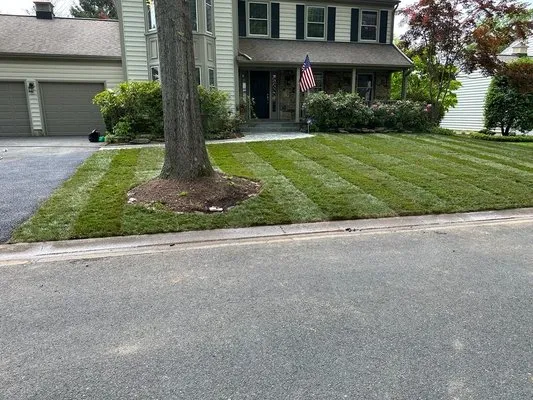
RD7 Landscaping is a locally owned and operated landscaping company serving Montgomery Village, MD, with over 9 years of combined experience. Founded by a young professional who honed his skills worki...
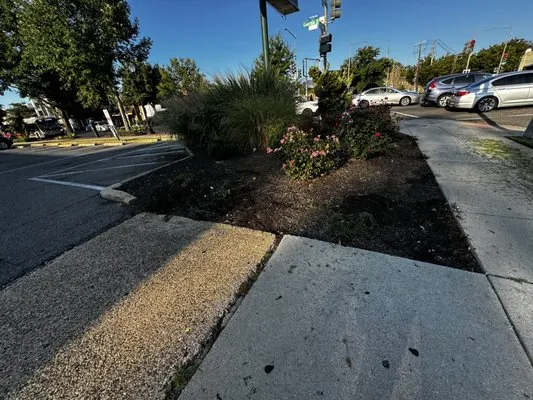
Calazin Landscaping is a trusted local landscaping company serving Montgomery Village, MD, and the surrounding areas. We specialize in addressing common landscaping challenges faced by homeowners in o...
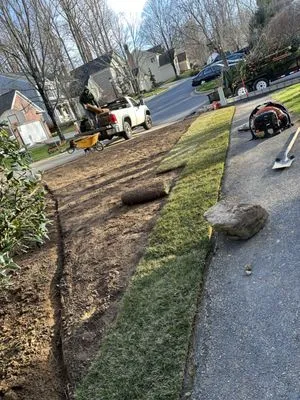
Amazing View is a Montgomery Village-based landscaping company serving the community since 2008. We begin every project with a detailed consultation to understand your vision for your outdoor space. O...
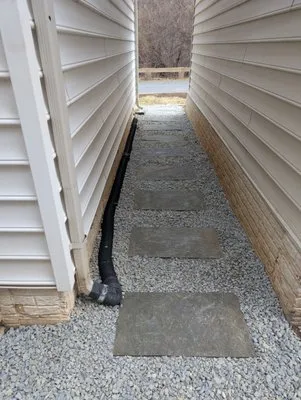
Wenner Landscaping and Maintenance
Wenner Landscaping and Maintenance is a Montgomery Village, MD-based company specializing in comprehensive outdoor solutions. With expertise in landscaping, tree services, and landscape design, we tra...
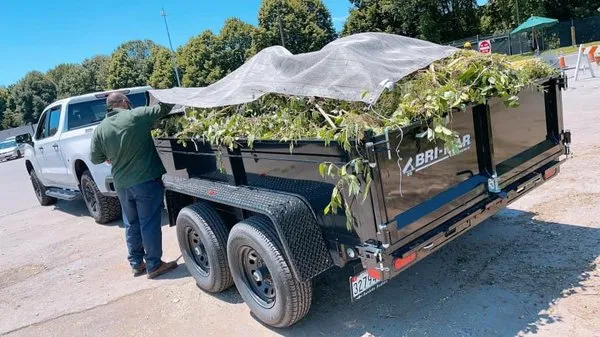
Ferrans Landscaping is a full-service landscape contractor serving Montgomery Village, MD, and the surrounding areas. We specialize in both the construction of beautiful, functional outdoor spaces and...

Jimenez Tree Service & Landscaping
Jimenez Tree Service & Landscaping is a trusted local provider in Montgomery Village, MD, offering comprehensive outdoor solutions. We specialize in tree care, landscaping, and snow removal, serving h...
Abel's Landscaping
Abel's Landscaping is a trusted, locally-owned landscaping and tree service company serving Montgomery Village, MD. With years of hands-on experience, owner Abel Cruz leads a team dedicated to transfo...

Prime Green Landscape
Prime Green Landscape, led by founder Kevin Portillo, brings years of hands-on experience and a genuine passion for creating beautiful outdoor spaces to Montgomery Village, MD. Kevin's commitment to q...

Jacobs Landscape is your trusted, local landscaping partner in Montgomery Village, MD. We specialize in diagnosing and solving the common lawn issues that plague our community, such as unsightly patch...
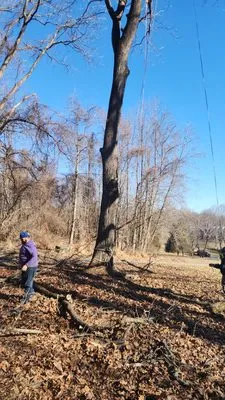
Greenyard Landscaping has been a trusted provider for Montgomery Village, MD, and the surrounding communities since its founding. We are built on the core values of professionalism, commitment, dilige...
Questions and Answers
What's the most effective solution for runoff issues in my clay-heavy Montgomery Village yard?
Clay-based compaction in acidic silt loam creates high runoff exceeding 1.5 inches per hour during storms. Installing permeable concrete pavers with 0.25-inch joint spacing and 4-inch gravel base increases infiltration to 5 inches per hour. This meets Montgomery County Department of Permitting Services' 2026 runoff standards by capturing 90% of first-flush pollutants while preventing basement flooding common in 0.22-acre Whetstone lots.
How do I control invasive Japanese stiltgrass without violating fertilizer blackout dates?
Japanese stiltgrass germinates in mid-March when soil temperatures reach 55°F, coinciding with Maryland's phosphorus-free fertilizer blackout period. Apply corn gluten meal at 20 pounds per 1,000 square feet as a pre-emergent, followed by hand-pulling before seed set in August. This organic approach avoids synthetic chemicals while introducing mycorrhizae that outcompete invasives in acidic silt loam conditions.
How quickly can you respond to an HOA violation notice for overgrown vegetation?
Emergency cleanup crews dispatch from Lake Whetstone Park via I-270, reaching Whetstone properties within 20-30 minutes during peak traffic. This rapid response utilizes electric maintenance equipment compliant with Montgomery County's 7:00 AM weekday noise ordinance. Crews prioritize visible street-facing areas first, documenting compliance photos before addressing secondary zones to meet 48-hour correction deadlines.
What permits and licenses are required for regrading my 0.22-acre property?
Grading exceeding 5,000 cubic yards on 0.22-acre lots requires Montgomery County Department of Permitting Services approval for erosion and sediment control plans. Contractors must hold Maryland Home Improvement Commission licensing with landscape architecture endorsement for structural changes affecting drainage patterns. Unlicensed grading risks $10,000 fines plus restoration costs, as modified slopes alter runoff calculations for entire Whetstone neighborhood watersheds.
Why does my Montgomery Village soil feel so compacted and acidic after 45 years?
Whetstone neighborhood lots, built around 1981, have acidic silt loam soil that has matured for 45 years. This extended timeline allows clay particles to settle and compact, reducing permeability to 0.5 inches per hour. Core aeration with 3-inch depth spacing introduces oxygen channels, while incorporating 2-3 cubic yards of compost per 1,000 square feet raises pH toward the optimal 6.0-6.5 range for Tall Fescue establishment.
Should I replace some lawn areas with native plants to reduce maintenance costs?
Transitioning 30% of Tall Fescue to Eastern Redbud, Purple Coneflower, and Switchgrass reduces mowing frequency from weekly to seasonal. These Maryland natives require no irrigation after establishment and support 47% more pollinator species than turf grasses. This xeriscaping approach eliminates gas-powered equipment use, staying ahead of 2027 noise ordinance expansions while creating fire-wise defensible space around structures.
Are permeable pavers better than wood decking for my Montgomery Village patio?
Permeable concrete pavers maintain 25-year longevity with minimal maintenance, compared to wood's 10-15 year replacement cycle in Maryland's humid climate. Their non-combustible nature supports Montgomery Village's low fire-wise rating by creating defensible space without organic fuel sources. The 0.22-acre lot configuration benefits from pavers' 95% permeability rate, reducing stormwater fees while meeting 2026 erosion control benchmarks.
Can I maintain healthy Tall Fescue while following Montgomery County's water conservation guidelines?
Wi-Fi ET-based weather sensing irrigation delivers 0.75-1.0 inches weekly during April-October, matching Tall Fescue's evapotranspiration needs. This system automatically reduces runtime by 20% during rainfall events and pauses during voluntary conservation periods. Programming follows the 7-3-2 rule: water 7 AM, cycle 3 times weekly, soak 2 inches deep to encourage drought-tolerant Kentucky-31 root development below 6 inches.
