Top Landscaping Services in Monrovia, MD, 21770 | Compare & Call
There are 189 landscaping companies server in Monrovia MD
Cmont Landscaping, owned by Carlos Montoya, is a premier landscaping company in Montgomery Village, MD, dedicated to creating stunning outdoor environments that enhance the beauty and functionality of...
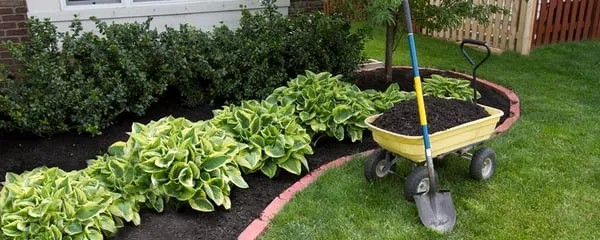
Sugarloaf Lawn Care is a licensed and insured lawn care service based in Ijamsville, MD, serving Montgomery and Frederick Counties. Founded in 2021 and building on over 25 years of combined experience...
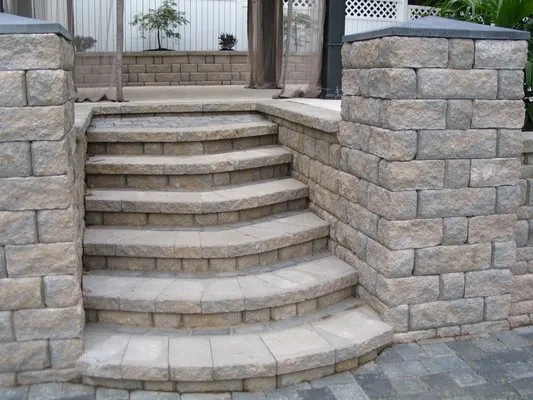
Emerald Landscaping is a locally owned and operated landscaping company serving Gaithersburg, MD, and the surrounding areas since 1997. With over 25 years of experience, we specialize in residential a...
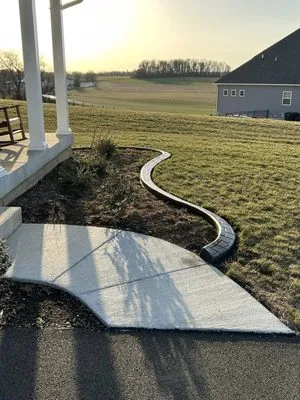
Curbs Gone Wild is a trusted masonry and landscaping company serving Potomac, MD, specializing in durable outdoor construction and design. We help homeowners tackle common local issues like storm debr...
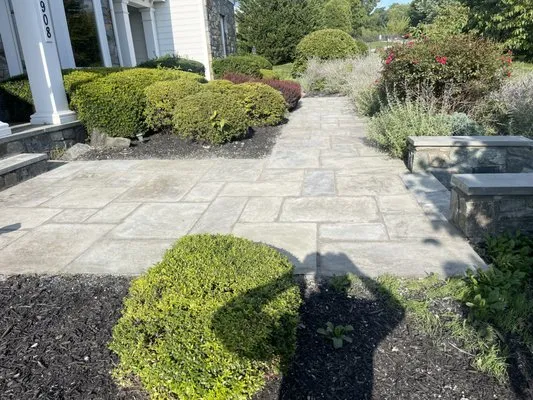
Carias Services is a family-owned landscaping, masonry, and fencing company serving Frederick, MD with over 10 years of experience. We specialize in transforming outdoor spaces through comprehensive s...

JB Kline Landscaping
JB Kline Landscaping is a family-owned commercial landscaping company serving Gaithersburg and the DC Metropolitan area since 1972. Founded by JB and now led by his son Brian Kline as President, the c...
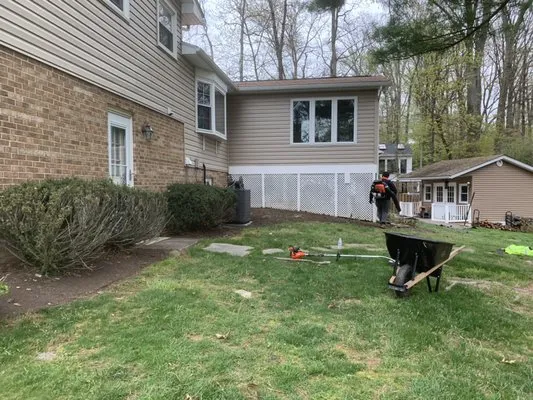
Jimenez Landscaping Service is a Damascus, MD-based company specializing in comprehensive landscaping and tree services. We help local homeowners tackle common regional challenges like sprinkler leaks...
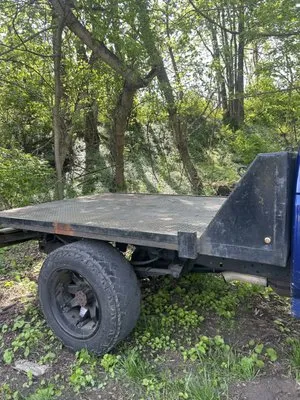
Tk Landscaping is a trusted, locally-owned service in Rohrersville, MD, specializing in landscaping, lawn care, and junk removal. We understand the common challenges homeowners face in our area, such ...
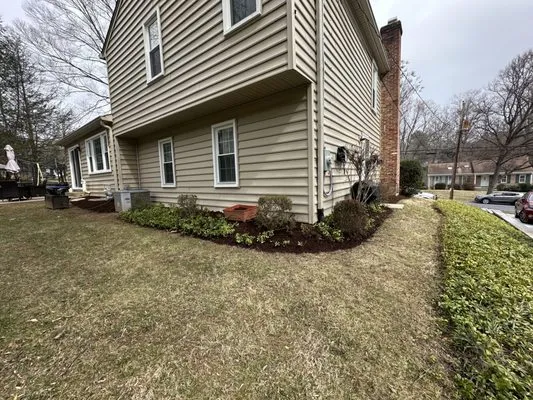
Mancia Landscaping Pros is a trusted local landscaping company serving Montgomery Village, MD, specializing in both lawn care and tree care services. We understand the common challenges homeowners fac...
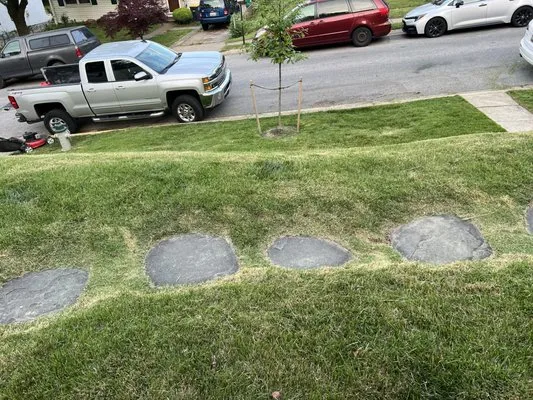
On Point Appearance is a full-service landscaping and construction company serving East Riverdale, MD. We understand that local homeowners often face persistent issues like mossy lawns and weed-infest...
Estimated Landscaping Service Costs in Monrovia, MD
Questions and Answers
Our Monrovia Historic District home was built around 2015, and the lawn seems compacted. Why does this happen with Penn Silt Loam soil?
Penn Silt Loam in Monrovia has a pH of 5.8-6.5, which is moderately acidic and prone to compaction over time. With soil maturity at approximately 11 years since construction, typical development practices often strip topsoil and compact subsoil layers. This reduces soil percolation and root penetration. Core aeration combined with organic amendments like composted leaf mulch can improve soil structure and microbial activity.
With voluntary water conservation in effect, how can we maintain Tall Fescue without wasting water?
Wi-Fi ET-based weather sensing controllers adjust irrigation schedules using real-time evapotranspiration data from local weather stations. This technology reduces water use by 20-30% compared to traditional timers while preserving Kentucky-31 or Turf-Type Tall Fescue health. Programming deep, infrequent watering during early morning hours minimizes evaporation and aligns with municipal conservation goals.
We want to reduce mowing and gas equipment noise. What native plants could replace some turf?
Transitioning high-maintenance turf areas to native plantings like Eastern Redbud, Purple Coneflower, Switchgrass, and Swamp Milkweed reduces mowing frequency and supports 2026 biodiversity standards. These species require minimal irrigation once established and provide habitat for pollinators. This approach also aligns with evolving noise ordinances that may restrict gas-powered blowers during certain hours.
We plan to regrade our 0.55-acre lot. What permits and licensing are required?
Grading work on a 0.55-acre lot in Monrovia requires a permit from the Frederick County Department of Permitting and Inspections, as it impacts stormwater management. Contractors must hold a Maryland Home Improvement Commission (MHIC) license for projects exceeding $1,000. This ensures compliance with state regulations on erosion control and proper drainage design, protecting both property value and environmental standards.
We've spotted invasive Japanese stiltgrass. How do we treat it without violating fertilizer laws?
Japanese stiltgrass threatens native ecosystems in Monrovia and should be hand-pulled before seed set in late summer. For chemical control, use glyphosate-based herbicides selectively, avoiding the Maryland Lawn Fertilizer Law blackout dates (typically June 1-August 31). Always conduct a soil test first—phosphorus applications are banned unless deficiency is confirmed, which helps prevent nutrient runoff into local waterways.
We need emergency storm cleanup to meet HOA compliance after a wind event. How quickly can a crew arrive?
A crew can dispatch from Monrovia Community Park and travel via I-70 to reach most Monrovia Historic District properties within 25-35 minutes during peak response times. This route optimizes access while accounting for potential traffic delays. Emergency protocols prioritize debris removal and safety assessments to restore property standards efficiently.
Our yard has moderate runoff issues, especially with clay subsoil. What solutions work for Penn Silt Loam?
Clay subsoil compaction in Penn Silt Loam reduces permeability, exacerbating runoff. Installing permeable clay pavers creates a surface that allows water infiltration at 5-10 inches per hour, meeting Frederick County Department of Permitting and Inspections runoff standards. Combining this with French drains or dry creek beds directs water away from foundations while recharging groundwater.
We're considering a patio. How do permeable clay pavers compare to wood for longevity and safety?
Permeable clay pavers offer superior longevity to wood, lasting 25+ years with minimal maintenance, while wood decks typically require replacement every 10-15 years. Clay pavers also support Low Fire Wise ratings by creating non-combustible defensible space around structures. Their permeability reduces stormwater runoff, unlike solid surfaces that can contribute to drainage issues in residential zones.
