Top Landscaping Services in Middletown, MD, 21769 | Compare & Call

Adam’s Tree & Lawn Care
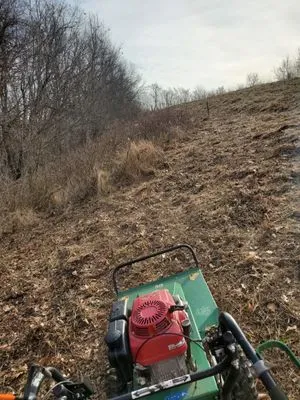
Adam's Tree & Lawn Care is a trusted local landscaping and tree service company serving Middletown, MD and surrounding Frederick County communities since 2015. Founded by Adam, a Frederick County nati...

Homeland Lawn Care is your trusted local partner for lawn and landscape health in Middletown, MD. We specialize in tackling the common local issues of bare lawn patches and poor yard drainage that can...
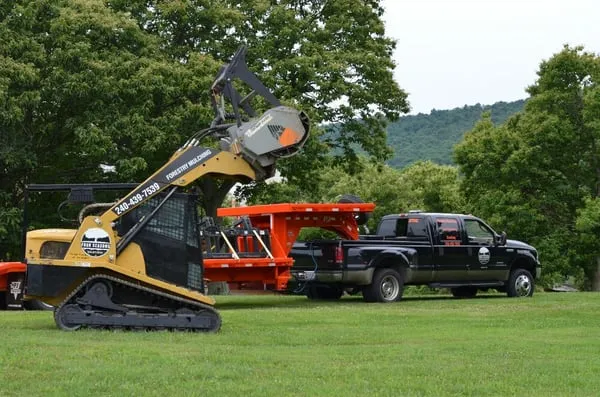
Four Seasons Solutions is a trusted landscaping, snow removal, and tree services company serving Middletown, MD. We help homeowners maintain beautiful, functional outdoor spaces year-round with our co...

Middletown Lawn Services provides comprehensive lawn care solutions for homeowners and businesses in Middletown, MD. We understand the unique challenges local properties face, including unsightly lawn...
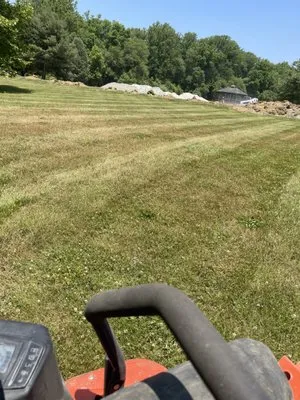
S & G Lawn Care is a trusted, locally-owned lawn and garden service provider dedicated to keeping Middletown, MD properties healthy and beautiful. We specialize in diagnosing and treating common local...
Bluee's Seasonal Services is a trusted local landscaping company serving homeowners in Middletown, MD. We specialize in addressing common local landscaping challenges like persistent mulch bed weeds a...
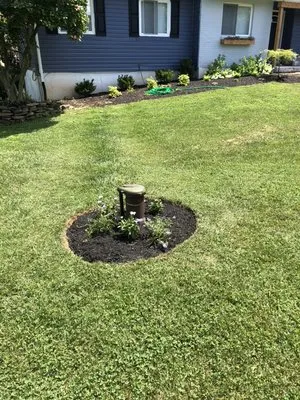
Stevens Tree Care is a trusted local business in Middletown, MD, offering comprehensive junk removal, hauling, and landscaping services. We help homeowners tackle common local issues like lawn insect ...

A & S Tree Care, led by licensed Tree Expert Amilcar (License #2777), provides professional tree and excavation services from its Middletown, MD base, serving the broader MD/DC Metropolitan Area. As a...
Brooks D Builder is a Middletown-based handyman and property maintenance service, operating on the principle that reliable work is the foundation of a good business. Before any project begins, owner B...

The Lawn Ranger Mowing & Landscaping is your local Middletown, MD expert dedicated to solving common area landscape challenges. We specialize in tackling the overgrown shrubs and moss growth that freq...
Questions and Answers
My yard has standing water after heavy rain. What's the best fix for our clay-heavy soil?
Moderate runoff in Duffield-Ryder Silt Loam is often due to clay-heavy subsoil compaction, which impedes percolation. Solutions include installing French drains or dry creek beds to channel water. For new hardscapes, specify permeable concrete pavers, which allow infiltration and can help meet Frederick County's stormwater management standards. Amending soil with organic matter over time will also gradually improve the subsoil's structure and drainage capacity.
What permits and licenses are needed to regrade my backyard for better drainage?
Regrading a 0.35-acre lot typically requires an Erosion and Sediment Control permit from the Frederick County Division of Planning and Permitting, as it disturbs soil and affects stormwater flow. The contractor must hold a valid license from the Maryland Home Improvement Commission (MHIC). This licensing ensures they carry insurance and adhere to state regulations, protecting you from liability. Always verify both the permit and the MHIC license number before work begins on your property.
How can I maintain my Tall Fescue lawn during summer while following water conservation rules?
Maryland's Voluntary Conservation Stage makes efficient water use essential. A Wi-Fi ET-based weather-sensing irrigation system is the solution. It automatically adjusts schedules by calculating daily evapotranspiration (ET) rates, applying water only when needed and skipping cycles after rain. This technology can maintain Tall Fescue turf health while reducing overall consumption by 20-40%, keeping you well within municipal guidelines and promoting deeper root growth.
Is a natural fieldstone patio better than a wooden deck for our area?
For longevity and low maintenance in Middletown's climate, natural fieldstone is superior. Unlike wood, which requires sealing and can rot, stone is permanent and drains well. It also contributes to a 'Firewise USA' defensible space when installed correctly, as it is a non-combustible material. This is a recommended consideration for zones with a Moderate fire risk rating. Permeable systems using fieldstone or pavers also aid in managing site runoff.
What invasive species should I watch for, and how do I treat them correctly?
Primary invasive alerts in Zone 7a include Japanese Stiltgrass, Mile-a-Minute Vine, and Bradford Pear seedlings. Manual removal before seed set is most effective. For chemical control, use targeted, systemic herbicides applied by a licensed professional, strictly following the Maryland Lawn Fertilizer Law. Note that this law prohibits phosphorus application unless a soil test confirms a deficiency, and it enforces blackout dates, typically from November 15 to March 1, when certain fertilizers cannot be applied.
I'm tired of weekly mowing and gas equipment noise. Are there lower-maintenance options?
Absolutely. Transitioning areas of high-maintenance turf to a climate-adaptive xeriscape with Maryland natives is a forward-thinking strategy. Using plants like Eastern Redbud, Switchgrass, Purple Coneflower, and Butterfly Milkweed creates a resilient, biodiverse landscape that requires no mowing, minimal watering once established, and no gas-powered blowers. This approach aligns with evolving noise ordinances and reduces your carbon footprint while providing superior habitat value.
If a storm damages a tree and it's blocking my driveway, what's the emergency response protocol?
For an emergency cleanup, our dispatch from the Middletown Community Park uses MD-17 for primary access, ensuring a 25-35 minute arrival during peak conditions. The priority is safe, rapid debris removal to restore access and mitigate hazard. All equipment is electric or battery-powered where feasible, complying with the local noise ordinance that restricts industrial equipment use between 9:00 PM and 7:00 AM, allowing for early morning response.
My lawn in the Middletown Historic District never seems healthy. What's the underlying soil issue?
Your property, built around 1999, has soil approximately 27 years old. On Duffield-Ryder Silt Loam, this age typically means significant subsoil compaction from original construction and years of standard maintenance, reducing permeability and root depth. The native pH of 6.2-6.8 is suitable for most plants, but compaction limits water and oxygen. Core aeration in fall, followed by top-dressing with compost, is critical to rebuild soil structure and introduce organic matter for long-term health.
