Top Landscaping Services in Lexington Park, MD, 20653 | Compare & Call

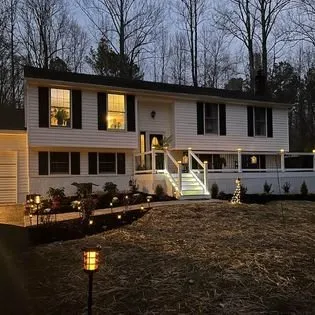
J&R Chavez Landscaping
Founded in 2005 and rooted in Lexington Park, J&R Chavez Landscaping is a family-owned business built on over three decades of combined hands-on experience. We've spent years enhancing hundreds of pro...
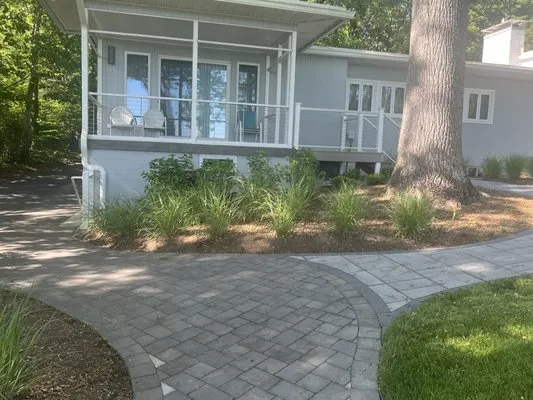
Ray’s Lawncare and Landscape Service
Ray's Lawncare and Landscape Service is a dedicated, local team serving the Lexington Park, MD community. Our experienced and knowledgeable gardeners provide a comprehensive range of services to help ...
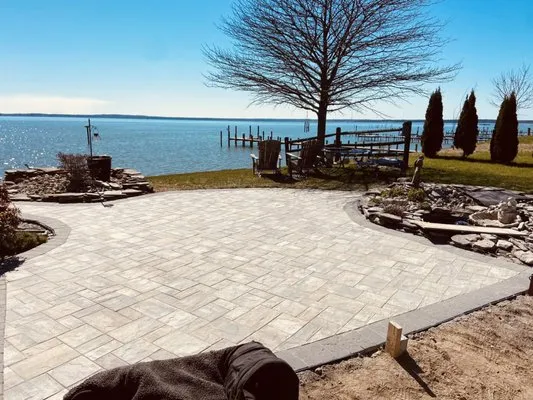
Green Cricket Landscaping
Green Cricket Landscaping LLC is a trusted, locally-owned landscaping partner serving Lexington Park, MD, and the surrounding communities. With over 17 years of dedicated service, we specialize in com...
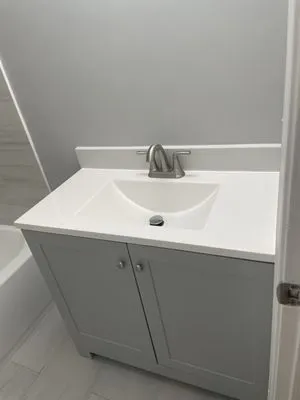
Rubio's Contractors is a trusted, full-service home and business contractor based in Lexington Park, MD, serving St. Mary's County and Calvert County. We provide comprehensive residential and commerci...
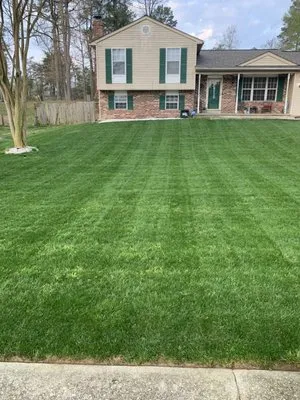
MR LJS Lawn Service is a trusted local provider dedicated to maintaining the health and beauty of lawns in Lexington Park, MD. Many area homes struggle with specific challenges like dead lawn patches ...
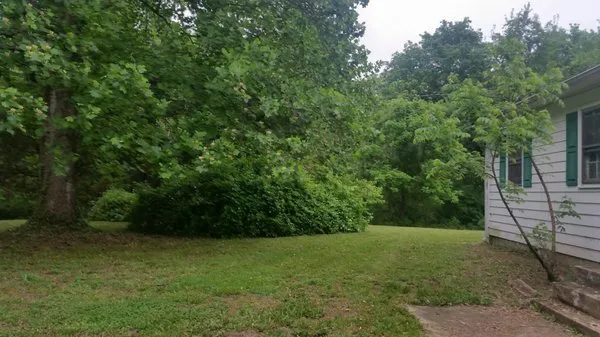
Adams Lawn Care is a locally owned and operated lawn service in Lexington Park, MD, with over 20 years of experience serving St. Mary's County. Founded by a local resident who was born and raised in t...

Woodlawn Lawn Care Services is a trusted local provider in Lexington Park, MD, specializing in comprehensive lawn care and snow removal. We understand the unique challenges Lexington Park homeowners f...

Founded and operated by Mario De Leon, Mario De Leon Tree Services brings over 15 years of dedicated expertise to the Lexington Park community. As a local, family-run business, we provide reliable tre...

Lightfoot Lawn Care is a dedicated local lawn service provider in Lexington Park, MD, specializing in comprehensive lawn care. We understand the specific challenges homeowners face in our area, partic...
Quality Lawns Service is your trusted local landscaping expert in Lexington Park, MD, dedicated to creating and maintaining vibrant, healthy outdoor spaces. We understand the common local challenges h...
FAQs
My yard stays soggy for days after rain. What's the solution?
Persistent water is common due to a high seasonal water table and restrictive clay subsoils beneath the sandy loam. Poor infiltration causes surface saturation. Solutions include installing French drains to intercept groundwater and using permeable concrete pavers for patios or walkways. These pavers meet St. Mary's County runoff standards by allowing water to percolate directly into the soil, reducing localized ponding.
Are permeable pavers a better choice than wood for a new patio?
For longevity and function, permeable concrete pavers outperform wood in our environment. They are not subject to rot, insect damage, or the seasonal swelling common here. Their permeability directly addresses drainage hazards, and they provide a stable, non-combustible surface. This contributes to a defensible space in this Moderate Wildland-Urban Interface rating, a key Firewise consideration for property safety.
Why does my lawn in Great Mills look thin and compacted compared to newer neighborhoods?
Homes built around 1991, like many here, have 35-year-old landscapes where the original Sassafras Sandy Loam topsoil has degraded. Decades of foot traffic and standard mowing compact the soil, reducing permeability and depleting organic matter. This creates a dense layer that restricts root growth for turf like Tall Fescue. Core aeration and incorporating compost are critical to rebuild soil structure and restore infiltration capacity in established lots.
Why do I need a licensed contractor to regrade part of my yard?
Regrading a 0.35-acre lot often involves altering water flow and moving significant earth, which requires a permit from the St. Mary's County Department of Land Use & Growth Management. In Maryland, this work must be performed by a contractor licensed by the Maryland Home Improvement Commission (MHIC). MHIC licensing ensures financial accountability and technical competency, protecting you from liability for improper drainage that could affect neighboring properties.
How quickly can a crew respond for an emergency tree cleanup after a storm?
For urgent HOA compliance or storm damage, a dispatched crew from the Patuxent River NAS area can typically reach Great Mills in 25-35 minutes during peak conditions, using MD-235. This accounts for traffic and securing necessary safety equipment. Response prioritizes hazards like downed limbs blocking driveways or threatening structures to mitigate immediate property risk.
Is it wasteful to run my sprinklers during a dry spell in Lexington Park?
Under voluntary conservation, efficiency is key. Wi-Fi ET-based irrigation controllers adjust watering schedules using real-time evapotranspiration data from local weather stations. This system delivers precise moisture to Tall Fescue root zones, preventing overwatering that exacerbates our high water table. This technology often reduces total water use by 20-30% compared to traditional timers, staying well within municipal guidelines.
What are low-maintenance alternatives to my high-water grass?
Transitioning to a climate-adaptive landscape with native plants like Switchgrass, Black-eyed Susan, and Joe-Pye Weed significantly reduces water, mowing, and chemical inputs. These deep-rooted species thrive in Zone 7b and support local biodiversity. This approach also future-proofs your property against evolving noise ordinances that may restrict gas-powered blowers and mowers, favoring quieter, electric maintenance.
How do I deal with invasive weeds without harming my lawn?
For invasive species like Japanese stiltgrass, targeted pre-emergent herbicides applied in early spring are most effective. Always follow the Maryland Lawn Fertilizer Law, which prohibits phosphorus application without a verified soil test deficiency. Treatment timing must also respect local blackout dates to prevent nutrient runoff into the Patuxent River watershed. Promoting dense, healthy turf is the first line of defense against weed establishment.
