Top Landscaping Services in Lake Arbor, MD, 20721 | Compare & Call
There are 175 landscaping companies server in Lake Arbor MD
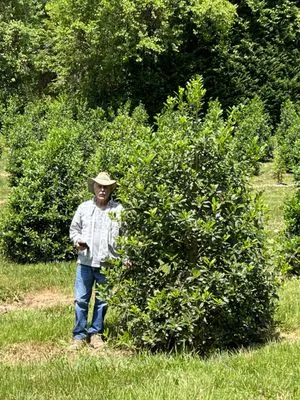
With a B.S. in Botany from the University of Maryland, I founded Pryor's Nursery in Damascus in 1981, combining academic expertise with a passion for plants. Over four decades, we've transformed our 1...
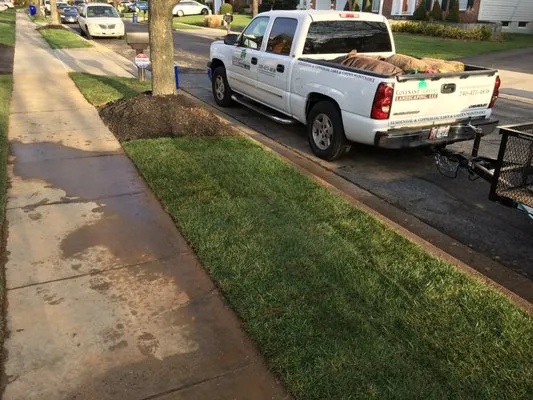
Covenant Greens in Germantown, MD, was founded from a genuine passion for plants and a commitment to creating a customer-friendly landscaping experience. We help local homeowners cultivate and maintai...
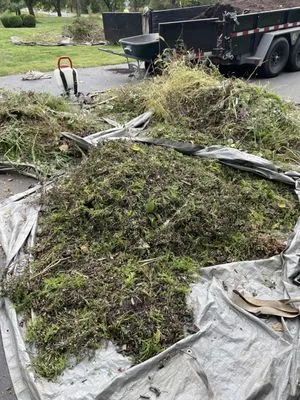
For over 15 years, Cedar Grove Landscaping & Lawn Care has been a trusted partner for homeowners in Germantown, MD, and the surrounding Bethesda area. Our experienced team brings a practical, expert a...
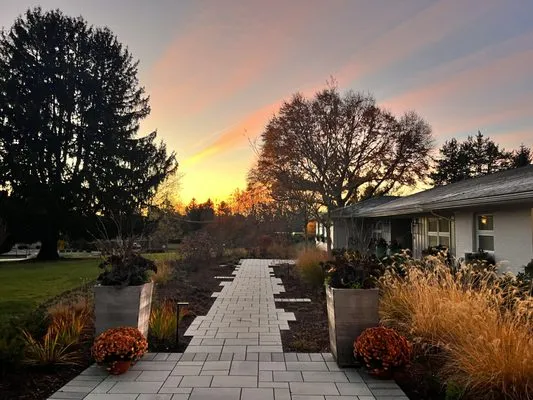
Since 1984, Great American Landscapes has been a trusted, full-service landscape contracting partner for homeowners and institutions across Clarksburg, MD, and the greater Washington area. Our philoso...

Pleasant View Property Services
Pleasant View Property Services is a trusted Annapolis provider of comprehensive property care, specializing in snow removal, landscaping, and masonry. We understand the local challenges homeowners fa...
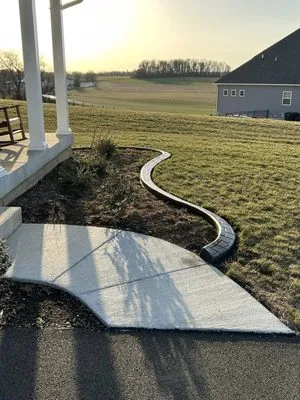
Curbs Gone Wild is a trusted masonry and landscaping company serving Potomac, MD, specializing in durable outdoor construction and design. We help homeowners tackle common local issues like storm debr...

JB Kline Landscaping
JB Kline Landscaping is a family-owned commercial landscaping company serving Gaithersburg and the DC Metropolitan area since 1972. Founded by JB and now led by his son Brian Kline as President, the c...
GreenSweep LLC
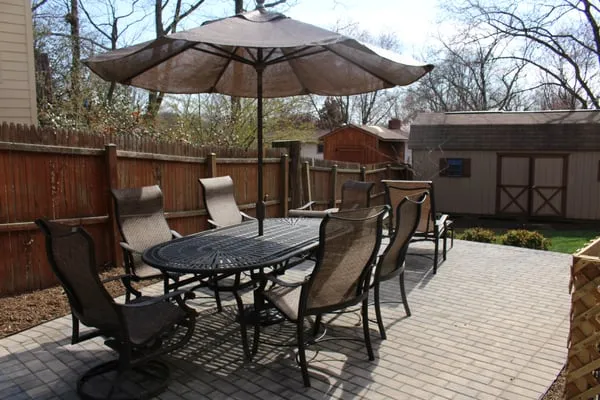
GreenSweep LLC is a full-service landscape contractor rooted in Silver Spring, serving the DC Metro area since 1991. Founded by brothers Kyle and Jedd Narsavage, who started by mowing neighbors' lawns...
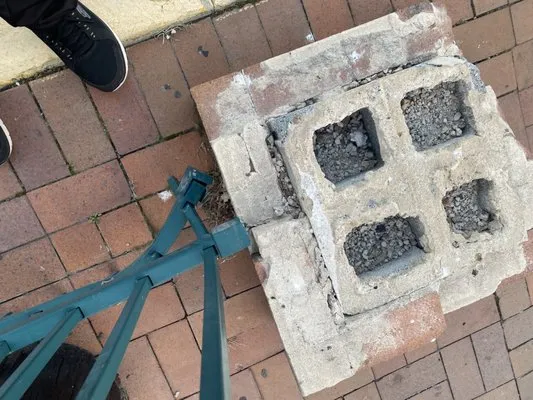
Mundo Verde is a trusted landscape architecture and lawn service company serving Landover Hills, MD. We specialize in comprehensive outdoor solutions including deck design, irrigation systems, landsca...

At Black&Body Landscaping Demolition & Remodelling, we're Clarksburg neighbors dedicated to enhancing our community, one property at a time. We believe our customers are the most important part of our...
Estimated Landscaping Service Costs in Lake Arbor, MD
Frequently Asked Questions
Why does the soil in my Lake Arbor Estates yard seem so compacted and tired?
Homes built around 1997, common in this neighborhood, have soils that are now nearly 30 years old. Original construction activities compact the native Sassafras Sandy Loam, stripping its structure and organic matter. This mature soil profile requires core aeration and annual top-dressing with compost to rebuild porosity and microbial life, moving it beyond simple 'fill dirt' to a living, fertile medium.
How quickly can you respond to an emergency like storm damage to meet HOA compliance deadlines?
For urgent HOA compliance or post-storm cleanup, our electric fleet can dispatch from our staging area near the Lake Arbor Community Center. Using I-495, we factor a peak travel window of 35-50 minutes to most Lake Arbor Estates properties. This allows for rapid debris management and turf repair while adhering to local noise ordinances with our quieter equipment.
Is a permeable paver patio worth the extra cost compared to a traditional wood deck?
For longevity and ecological function, permeable concrete pavers are a superior investment. Unlike wood, which decays and requires regular sealing, pavers offer a permanent, low-maintenance surface with a 50+ year lifespan. Their permeability directly mitigates local runoff issues. Furthermore, in our Low Fire Wise rated area, non-combustible hardscape materials like pavers contribute to defensible space, a prudent consideration for suburban-interface communities.
My yard gets soggy for days after a rain. What's a lasting solution that also looks good?
Seasonal saturation is a known trait of our local soil. A functional solution involves creating a shallow, graded swale lined with river rock to channel water away from the foundation. For hardscapes, specifying permeable concrete pavers is critical; their joints allow water to infiltrate, reducing runoff volume and helping your property comply with Prince George's County drainage, but a more integrated approach uses native plants like Switchgrass in a rain garden to absorb and filter runoff. For hard surfaces, specifying permeable concrete pavers ensures rainfall infiltrates on-site, aligning with Prince George's County runoff reduction goals.
Why is proper licensing so important for grading and drainage work on my quarter-acre lot?
Altering the grade on a 0.25-acre property significantly impacts stormwater flow to neighboring parcels and public systems. The Prince George's County Department of Permitting, Inspections and Enforcement requires permits for such work to ensure it meets engineered standards. Only contractors licensed by the Maryland Home Improvement Commission (MHIC) carry the necessary bonding and insurance, protecting you from liability for improper work that could cause downstream flooding or erosion.
What are the biggest invasive weed threats here, and how do I deal with them safely?
In our zone 7b, invasive species like Japanese Stiltgrass and Mile-a-Minute Vine are primary alerts. Effective control starts with manual removal before seed set. For persistent issues, targeted, non-phosphorus herbicides applied by a licensed professional can be used, but timing is critical to comply with the Maryland Fertilizer Use Act blackout dates (typically mid-November to March 1). Always prioritize building robust soil health to outcompete invaders.
Can I have a healthy Tall Fescue lawn while following the Stage 1 water conservation guidelines?
Absolutely. Tall Fescue's deep roots are drought-resilient when managed correctly. An EPA WaterSense labeled smart controller is key, as it uses local evapotranspiration (ET) data to apply water only when needed, often reducing usage by 20%. This technology, combined with infrequent, deep watering cycles, maintains turf health while aligning with voluntary conservation goals and preempting stricter mandates.
I'm tired of weekly mowing and gas blower noise. Are there lower-maintenance, quieter options?
Transitioning high-input turf areas to climate-adaptive plantings is a forward-looking strategy. Incorporating layers of native plants like Purple Coneflower, Christmas Fern, and Sweetbay Magnolia creates a resilient landscape that requires no mowing and minimal blowing. This biodiversity-focused approach conserves water, supports pollinators, and inherently complies with evolving local noise ordinances that restrict gas-powered equipment use during early morning and evening hours.
