Top Landscaping Services in La Plata, MD, 20646 | Compare & Call

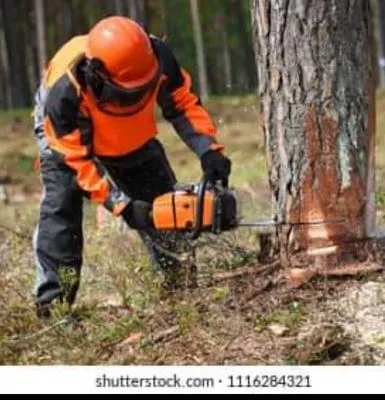
Morales Tree Cutt is your trusted, full-service partner for landscaping and outdoor projects in La Plata, MD. We specialize in comprehensive tree services, from planting and expert care to safe remova...
Akivis is a Veteran-owned business established in 2019 by an active duty Marine, with a history of operating across military installations globally. Now based in La Plata, MD, we proudly serve the loc...
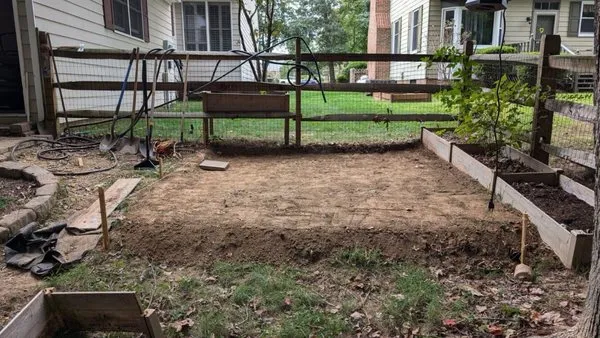
Coulby & Smith is a trusted, locally-owned company serving La Plata and the broader Southern Maryland community. We specialize in creating and maintaining beautiful, healthy outdoor spaces, offering a...
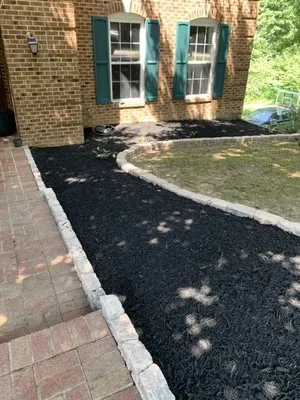
Stoney Creek Contractors is a La Plata-based company dedicated to keeping local properties looking their best and functioning properly. Many homeowners in our area face common challenges like overgrow...
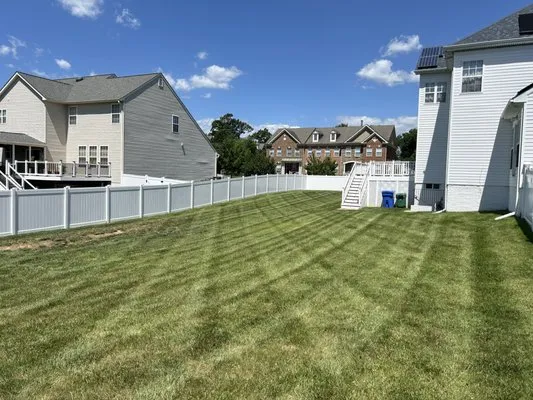
TrueView Landscaping, LLC is a La Plata-based landscaping company serving Maryland with comprehensive outdoor solutions. We specialize in lawn care, hardscaping, and tree services, combining professio...
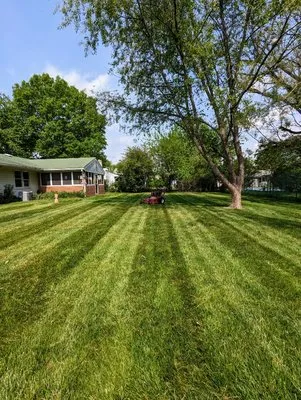
Clarke's Landscaping is a trusted local landscaping company serving La Plata, MD, and the surrounding Charles County area. We specialize in addressing common local landscaping challenges that homeowne...

It's R's Landscaping is a trusted, full-service landscaping company serving La Plata, MD, and surrounding areas. We specialize in comprehensive solutions for residential and commercial properties, off...
Potomac Lawns is a locally-owned lawn care and landscaping company serving La Plata, MD, and the surrounding communities. We specialize in providing reliable, year-round outdoor maintenance for both r...
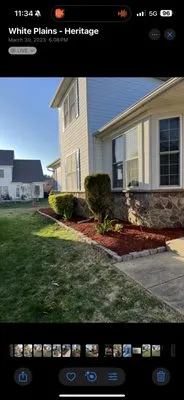
Buddys Lawn Service is a trusted local provider in La Plata, MD, specializing in comprehensive lawn care solutions. We understand the common challenges La Plata homeowners face, such as unsightly bare...

It's Snow Fun & Landscaping is your local La Plata, MD partner for a healthy, resilient yard. We specialize in addressing common regional challenges like unsightly bare lawn patches and insect damage....
Questions and Answers
Should we choose concrete pavers or wood for our new patio considering durability and fire safety?
Concrete pavers offer superior longevity with 25+ year lifespans versus wood's 10-15 years, requiring less maintenance in La Plata's freeze-thaw cycles. For fire-wise considerations, pavers create non-combustible defensible space meeting Moderate rating guidelines from the Maryland Forest Service. Their thermal mass helps moderate temperature extremes while permeable options manage runoff. Installation with proper base materials ensures stability in Sassafras Sandy Loam's drainage conditions, unlike wood's susceptibility to moisture-related deterioration.
We've spotted invasive Japanese stiltgrass. How do we treat it without violating fertilizer regulations?
Japanese stiltgrass requires pre-emergent applications in early March before seed germination, using herbicides labeled for Maryland invasive species control. Treatment timing avoids the Maryland Lawn Fertilizer Law's blackout periods while targeting the invasive before it establishes. Manual removal for small infestations followed by native groundcover planting prevents recurrence. Soil testing determines if phosphorus supplementation is necessary under the ordinance's exemption clause, ensuring compliance while addressing specific nutrient deficiencies.
We need emergency storm cleanup to meet HOA compliance deadlines. How quickly can a crew arrive?
Emergency crews dispatch from the Charles County Courthouse area via US Route 301, reaching most Downtown La Plata properties within 20-30 minutes during peak response times. This routing avoids residential congestion while maintaining access to major thoroughfares. Crews coordinate arrival with property access points and assess damage priority based on safety hazards first. Electric equipment compliance with the 7:00 AM start time ensures immediate work commencement without noise ordinance violations.
What permits and licenses are required for grading and landscaping our 0.35-acre property?
Grading work on 0.35-acre lots requires erosion and sediment control permits from the Town of La Plata Planning Department, with plans demonstrating runoff management. Contractors must hold Maryland Home Improvement Commission licensing for projects exceeding $500, ensuring compliance with state regulations. Specific licensing categories cover excavation, drainage, and hardscape installation. Professional certification demonstrates understanding of local soil conditions and Maryland Lawn Fertilizer Law requirements, protecting against compliance issues during and after project completion.
Our Downtown La Plata yard seems compacted and drains poorly. Could this be related to the soil history?
La Plata lots built around 1996 have 30-year-old Sassafras Sandy Loam soil that has likely lost permeability through compaction. This soil type naturally has moderate permeability, but decades of foot traffic and equipment weight reduce pore space, limiting water infiltration. Core aeration every 2-3 years with organic amendments like composted leaf mulch addresses this by improving soil structure and microbial activity. The slightly acidic pH range of 5.5-6.5 is suitable for most landscape plants but may require lime adjustments for optimal turf health.
Our yard has seasonal standing water. What drainage solutions work with La Plata's soil conditions?
Sassafras Sandy Loam's moderate runoff issues stem from seasonal high water tables and surface compaction. Permeable concrete paver installations with gravel bases and geotextile layers create infiltration zones that meet Town of La Plata Planning Department runoff standards. French drains directing water to rain gardens planted with Swamp Milkweed provide biological filtration. Grading adjustments of 1-2% slope away from structures, combined with soil amendments to improve permeability, address both surface and subsurface water movement.
What low-maintenance alternatives to traditional turf fit La Plata's climate and regulations?
Transitioning to native plant communities featuring Eastern Redbud, Switchgrass, and Black-eyed Susan reduces maintenance frequency by 60-70% while supporting local biodiversity. These species require no supplemental irrigation once established and thrive in USDA Zone 7b conditions. Electric maintenance equipment meets noise ordinance requirements for early morning work while eliminating gas emissions. This approach aligns with 2026 sustainability standards by creating self-sustaining ecosystems that require minimal inputs beyond seasonal pruning.
How can we maintain Tall Fescue during Stage 1 water restrictions without overwatering?
Wi-Fi ET-based weather sensing irrigation systems calculate evapotranspiration rates using local weather data, applying water only when soil moisture deficits occur. This technology typically reduces water use by 20-30% compared to timer-based systems while preserving turf health. Programming follows La Plata's voluntary conservation guidelines with deep, infrequent watering cycles that encourage deeper root growth. Systems automatically adjust for rainfall events and soil type characteristics, preventing runoff from Sassafras Sandy Loam's moderate permeability.
