Top Landscaping Services in Joppatowne, MD, 21085 | Compare & Call


Miller's Landscaping is a trusted, locally-owned landscaping company serving homeowners throughout Joppatowne, MD. We specialize in the routine and responsive care your property needs in our region. U...

Snyder’s Lawncare is a Joppatowne-based lawn service provider focused on building lasting customer relationships through reliable, detailed work. We see ourselves as caretakers of local outdoor spaces...
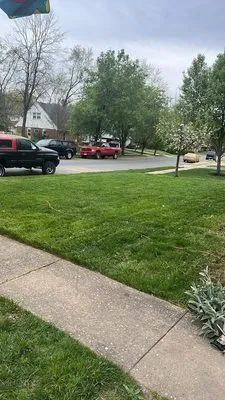
S&A Services (Shawn & Associates Services) is a friendly, locally owned lawn care business in Joppatowne, founded by Shawn Miller in March 2021. What began as a personal passion for yard work—treating...
Tk's Landscaping is a trusted, locally-owned landscaping company serving Joppatowne, MD. We specialize in diagnosing and solving common local yard problems like poor lawn grading and bare patches that...
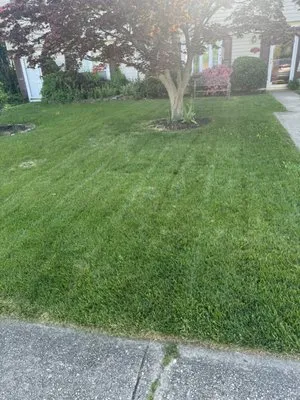
DS Landscaping is a full-service landscaping company serving Joppatowne and surrounding areas. We specialize in transforming and maintaining outdoor spaces, from initial design and construction to ong...
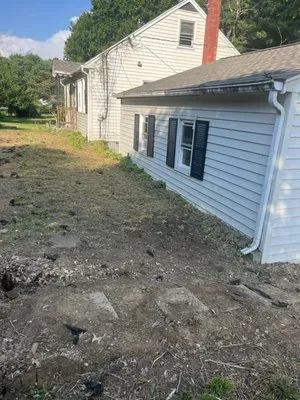
BDF Mowing is a trusted lawn care provider serving Joppatowne, MD, specializing in comprehensive lawn maintenance and solutions for common local landscaping challenges. We understand that Joppatowne h...
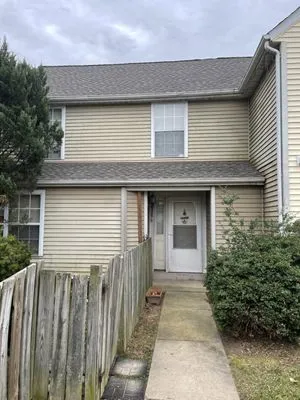
Woodridge Outdoor Services is a Joppatowne-based contractor specializing in lawn, excavation, and tree services. Many local homeowners face challenges like poor yard drainage and compacted soil, which...

Goode and Lidie Landscaping has been a trusted name in Joppatowne and Middle River for over 26 years, providing comprehensive landscaping and property care services. With deep roots in the community, ...
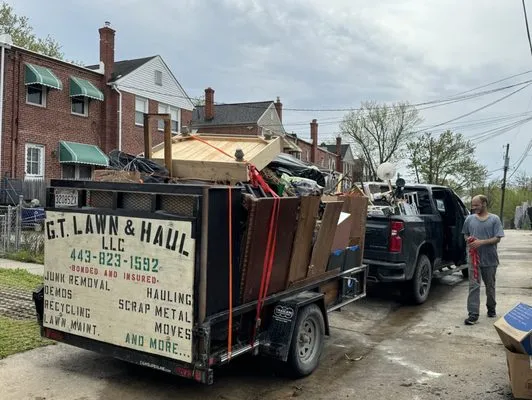
G T Lawn and Haul
G T Lawn and Haul is a Joppatowne-based business established in 2020, offering comprehensive junk removal and lawn care services. We specialize in appliance, furniture, mattress, and landscaping waste...
Common Questions
What permits and licenses are needed for grading my property?
Grading on 0.25-acre Joppatowne lots requires Harford County sediment control permits for any disturbance exceeding 5,000 square feet or creating slopes steeper than 3:1. Contractors must hold Maryland Home Improvement Commission licensing with specific grading endorsements, as unlicensed earth moving can trigger $10,000+ fines. The permit office reviews drainage plans ensuring post-construction runoff doesn't exceed pre-development rates by more than 10%, with engineered solutions needed for changes exceeding 1 foot of elevation.
Can I maintain healthy turf while following water conservation guidelines?
Smart Wi-Fi ET-based controllers programmed for Zone 7b reduce Tall Fescue irrigation by 30-40% while preserving turf health. These systems use real-time evapotranspiration data to deliver 1.0-1.5 inches weekly during peak season, automatically adjusting for rainfall. This approach keeps consumption within municipal conservation limits while preventing the drought stress that triggers Kentucky-31 dormancy above 85°F soil temperatures.
What solutions work for yards with persistent runoff issues?
Moderate runoff in Sassafras Sandy Loam requires addressing both surface and subsurface flow. Install permeable concrete pavers with 1/8-inch joints filled with ASTM No. 8 stone, creating 15-20% void space that meets Harford County's 1.0 inch per hour infiltration standard. For severe clay subsoil compaction, consider 4-inch perforated PVC French drains wrapped in non-woven geotextile, sloped at 1% minimum toward daylighted outlets 10 feet from foundations.
Should I replace high-maintenance grass with native plants?
Transitioning 30-50% of turf to Eastern Redbud, Switchgrass, and Black-eyed Susan reduces mowing frequency from weekly to seasonal while providing year-round habitat. This xeriscaping approach cuts water use by 60-70% and eliminates gas-powered equipment ahead of anticipated electric-only noise ordinances. Swamp Milkweed in rain gardens manages runoff while supporting monarch butterfly populations, creating layered biodiversity that exceeds 2026 pollinator corridor standards.
Are concrete pavers better than wood for patio longevity?
Concrete pavers and flagstone offer 25-30 year lifespans versus wood's 8-12 years in Maryland's freeze-thaw cycles. Their non-combustible nature maintains defensible space in low Firewise-rated areas, with interlocking designs preventing ember intrusion. Properly installed with 4-inch compacted base and edge restraints, these materials resist frost heave while providing permeability rates of 4-8 inches per hour, exceeding most residential drainage requirements.
How do I control invasive species without violating fertilizer regulations?
Japanese stiltgrass and mile-a-minute vine require targeted treatment during their April germination window using glyphosate alternatives like 20% horticultural vinegar applied at 50°F soil temperatures. Avoid phosphorus-containing products during Maryland's blackout dates (June 1-August 31), instead using iron-based herbicides that comply with the Fertilizer Use Act. For established invasions, manual removal followed by 3-inch organic mulch suppresses regrowth while rebuilding soil microbiology.
How quickly can you respond to storm damage for HOA compliance?
Emergency cleanup crews dispatch from Joppatowne Plaza via I-95 with 20-30 minute peak response times. Our electric fleet operates within standard noise limits from 7am-9pm for immediate debris removal. For downed limbs exceeding 6-inch diameter, we coordinate with certified arborists who carry Maryland Home Improvement Commission licensing, ensuring all work meets Harford County stormwater management requirements within 48 hours of notification.
Why does my soil feel compacted and drain poorly compared to newer neighborhoods?
Joppatowne lots average 51 years of soil maturity since 1975 construction, which has led to significant compaction in the Sassafras Sandy Loam. This soil type naturally develops a dense clay sublayer over decades, reducing permeability to 0.5-1.0 inches per hour. Core aeration with 3-4 inch depth spacing every 2 years is essential to break through this pan, followed by top-dressing with 0.25 cubic yards of compost per 1000 square feet to rebuild organic matter above the 2% threshold.
