Top Landscaping Services in Hillcrest Heights, MD, 20745 | Compare & Call

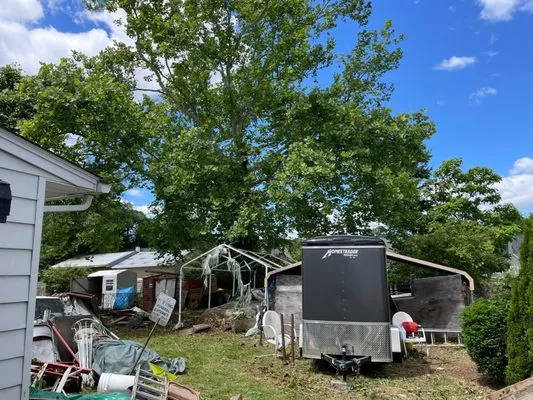
Lexis Landscaping is a locally owned and operated business in Hillcrest Heights, MD, founded by an experienced professional who previously worked for a large company before deciding to start his own v...
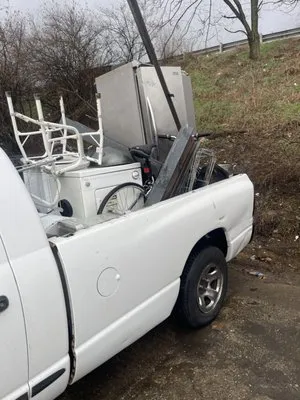
Easy Work is your trusted local service provider in Hillcrest Heights, MD, specializing in junk removal, hauling, lawn services, and moving. We help residents and businesses efficiently dispose of unw...

Mr Lawn N Garden is a trusted local lawn and garden service provider in Hillcrest Heights, MD, specializing in restoring and maintaining beautiful outdoor spaces. We understand the common local challe...
King Lamar's Mowing Yards & Cleaning Services
King Lamar's Mowing Yards & Cleaning Services is a Hillcrest Heights-based provider trusted for meticulous work across both residential and commercial settings. With a proven background handling deman...

Laraes Junk Removal
Laraes Junk Removal serves Hillcrest Heights, MD, providing expert junk removal, demolition, and hauling services to help homeowners reclaim their space. We specialize in everything from interior and ...
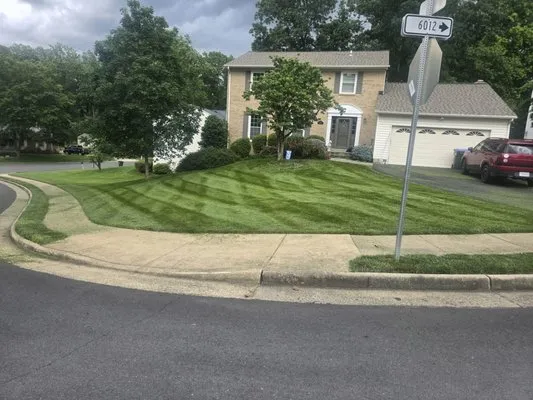
Tall Green is your trusted local landscaping partner in Hillcrest Heights, MD. We specialize in a full range of services, from gardening and lawn care to expert shrub and tree care, including pruning,...
FAQs
How quickly can you respond to an emergency tree cleanup after a storm in Hillcrest Heights?
Our electric fleet can dispatch from the Hillcrest Heights Community Center within 20-30 minutes during peak storm response, traveling via I-495 to minimize transit time while complying with 70 dB noise limits. This rapid deployment addresses immediate safety hazards like downed branches blocking driveways or threatening structures. We prioritize HOA compliance issues that require same-day resolution to avoid fines. The route optimization accounts for Beltway traffic patterns to ensure reliable service windows even during adverse weather conditions.
Can I maintain healthy Tall Fescue turf in Hillcrest Heights while following voluntary water conservation guidelines?
Smart Wi-Fi ET-based controllers precisely match irrigation to evapotranspiration rates, reducing water use by 25-40% compared to traditional timers. These systems automatically adjust for daily weather conditions, applying water only when soil moisture sensors indicate need. This technology maintains Tall Fescue's deep root system while staying well within municipal conservation targets. Properly programmed controllers can preserve turf health through typical Maryland summers without exceeding 1 inch of water per week, even during voluntary restriction periods.
Why does my Hillcrest Heights Central lawn struggle with compaction and poor drainage despite regular care?
Hillcrest Heights homes built around 1963 have Sassafras Sandy Loam soil that has matured for 63 years, developing significant clay subsoil compaction from decades of foot traffic and conventional maintenance. This soil type naturally settles into dense layers that restrict root penetration and water percolation. Core aeration with organic amendments like compost tea is essential to restore soil structure and microbial activity. Without this intervention, water pools on the surface during moderate runoff events, stressing turf and creating ideal conditions for fungal diseases.
What invasive species threaten Hillcrest Heights landscapes, and how should they be managed?
Japanese stiltgrass and mile-a-minute vine represent significant invasive threats that outcompete native vegetation in USDA Zone 7b. Manual removal before seed set in early summer prevents spread without chemical intervention. For established infestations, targeted glyphosate applications during active growth periods avoid Maryland's fertilizer blackout dates. Always conduct soil testing before any phosphorus application, as the Lawn Fertilizer Law prohibits phosphorus unless deficiency is documented. Regular monitoring and immediate treatment prevent invasive species from altering soil chemistry and reducing biodiversity.
What permits and licenses are required for grading and drainage work on my Hillcrest Heights property?
Grading alterations on 0.22-acre lots in Prince George's County require permits from the Department of Permitting, Inspections and Enforcement when disturbing more than 5,000 square feet or modifying drainage patterns. Contractors must hold Maryland Home Improvement Commission licensing for earthwork exceeding $1,000, ensuring proper bonding and insurance coverage. The permit process verifies that drainage solutions meet current runoff coefficient standards and won't adversely affect neighboring properties. Unlicensed grading risks significant fines and may void property insurance during storm-related damage events.
What solutions address the moderate runoff problems common in Hillcrest Heights yards?
Sassafras Sandy Loam's clay subsoil creates permeability challenges that require integrated drainage solutions. Installing French drains with clean gravel and geotextile fabric intercepts subsurface water before it saturates the root zone. Permeable concrete pavers with joint sand allow 80-90% of rainfall to infiltrate naturally, meeting Prince George's County runoff standards. These systems work together to manage the 0.22-acre lot's water flow, preventing erosion and reducing the hydraulic load on municipal stormwater infrastructure during heavy precipitation events.
Are concrete pavers with permeable joints better than wood for Hillcrest Heights patios and walkways?
Concrete pavers with permeable joint sand offer superior longevity and functionality compared to wood in Maryland's climate. With a 30+ year lifespan versus wood's 10-15 years, pavers withstand freeze-thaw cycles without warping or rotting. The permeable system manages runoff effectively in Hillcrest Heights' low fire-risk urban setting while maintaining defensible space requirements. Unlike wood, concrete doesn't require chemical treatments that can leach into soil, and its thermal mass moderates microclimate temperatures around foundations, reducing energy costs.
How can I reduce landscape maintenance while supporting local biodiversity in Hillcrest Heights?
Replacing high-maintenance turf with native plant communities creates resilient landscapes that require minimal intervention. Eastern Redbud, Switchgrass, Purple Coneflower, Butterfly Milkweed, and Joe Pye Weed form self-sustaining ecosystems that support pollinators year-round. This approach eliminates weekly mowing and reduces the need for gas-powered equipment ahead of tightening noise ordinances. Native plantings typically use 75% less water than conventional lawns while providing superior habitat value, aligning with 2026 biodiversity standards for urban settings.
