Top Landscaping Services in Hampton, MD, 21093 | Compare & Call
There are 194 landscaping companies server in Hampton MD
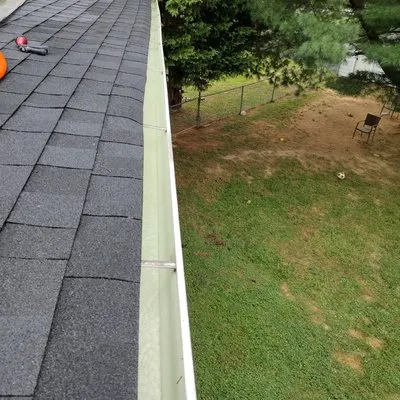
American Innovation & Solutions LLC is a locally owned and operated business based in Bel Air, MD, proudly serving homeowners and businesses across Maryland with a focus on Harford, Cecil, and Baltimo...

Snyder’s Lawncare is a Joppatowne-based lawn service provider focused on building lasting customer relationships through reliable, detailed work. We see ourselves as caretakers of local outdoor spaces...
Coby Pools
Coby Pools is a trusted Fallston, MD-based service provider specializing in pool and hot tub care, lawn maintenance, and gutter services. Founded in 2019, we bring a commitment to reliable, profession...

J&J Greene Services is a family-operated business based in Churchville, MD, with deep roots in the local community. Starting as a local landscaping and snow removal provider, we have grown to serve ov...
The Outdoor Connection is a licensed landscaping and hardscaping company serving Perry Hall, MD, and surrounding Baltimore and Harford County areas since 1982. With over 30 years of experience, we spe...
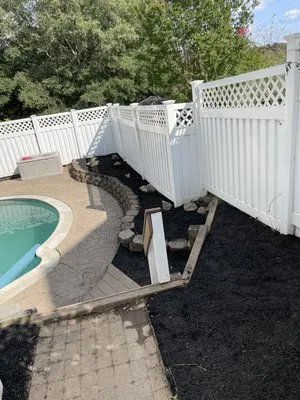
Green Valley Home & Lawn Services is a fully insured and licensed Nottingham, MD provider offering comprehensive solutions for residential and commercial properties. Specializing in landscaping and pr...
Diaz Maintenance is a Nottingham-based, full-service landscaping company dedicated to creating and maintaining beautiful, healthy outdoor spaces for the local community. We specialize in comprehensive...
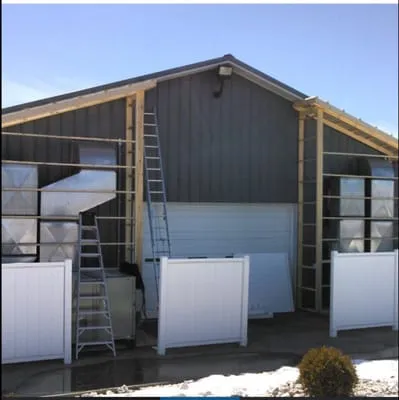
Founded in 1985 as a family-run landscaping operation, RLS Contracting has grown from a one-person endeavor into a trusted Upperco home services company, now managed by the founder's son. Rooted in a ...
Grounds and Gardens LLC. is your dedicated Nottingham landscaping partner, focused on creating and maintaining beautiful, functional outdoor spaces. We understand the common local challenges homeowner...
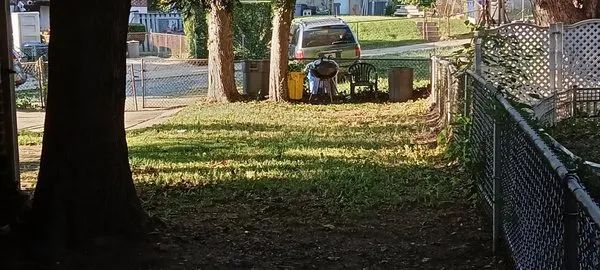
DMV Landscaping is a full-service landscaping company serving Milford Mill, MD, and surrounding areas. We specialize in comprehensive landscape solutions, from design and installation to ongoing maint...
Estimated Landscaping Service Costs in Hampton, MD
Frequently Asked Questions
Are permeable pavers better than wood for Hampton patios and walkways?
Permeable concrete pavers outperform wood in longevity and functionality for Hampton's climate. While wood requires replacement every 8-12 years, properly installed pavers last 25+ years with minimal maintenance. Their permeability reduces runoff by 40-50% compared to solid concrete, addressing Hampton's moderate drainage concerns. For Hampton's Low Fire Wise rating in urban-suburban interfaces, pavers create defensible space without combustible materials. The interlocking design accommodates frost heave in Zone 7b, maintaining level surfaces through freeze-thaw cycles that damage traditional concrete.
What permits and licenses are required for grading my 0.35-acre Hampton property?
Grading projects on 0.35-acre lots in Hampton require Baltimore County grading permits and licensed contractors. The Baltimore County Department of Permits, Approvals and Inspections mandates permits for moving more than 50 cubic yards of earth or altering drainage patterns. Contractors must hold Maryland Home Improvement Commission licensing, which includes bonding and insurance requirements. Professional licensing ensures proper erosion control during construction and final grading that directs water away from structures. Unpermitted grading can result in stop-work orders and fines exceeding project costs, particularly when affecting neighboring properties' drainage.
What solutions address moderate runoff issues in Hampton's clay-heavy soils?
Glenelg-Gaila silt loam's clay-heavy subsoil creates moderate runoff that requires engineered drainage solutions. Installing permeable concrete pavers with 6-8 inches of gravel base creates infiltration basins that capture 90-95% of stormwater. These systems meet Baltimore County Department of Permits, Approvals and Inspections runoff standards by reducing impervious surface area. For severe cases, French drains with clean washed stone and geotextile fabric provide subsurface drainage while maintaining soil structure. All installations should include 1-2% slope away from foundations.
How quickly can you respond to storm damage for HOA compliance in Hampton?
Emergency cleanup crews dispatch from the Hampton National Historic Site area, taking I-695 to reach Hampton Village within 25-35 minutes during peak traffic. This response window accounts for debris removal, branch trimming, and safety assessments. For urgent HOA compliance issues, same-day service prioritizes visible front yard hazards while scheduling backlot work for subsequent visits. Crews carry electric chainsaws and battery-powered blowers to comply with standard decibel limits during extended cleanup operations.
How can I reduce maintenance while supporting local biodiversity?
Replacing high-maintenance turf areas with native plant communities creates resilient landscapes that require minimal intervention. Eastern Redbud, Purple Coneflower, Switchgrass, and Swamp Milkweed establish deep root systems that survive drought and suppress weeds. These plantings eliminate weekly mowing and reduce gas-powered equipment use, aligning with evolving noise ordinance trends toward electric-only maintenance. Native plantings support pollinators year-round and require no synthetic fertilizers under Maryland's Phosphorus ban, creating self-sustaining ecosystems that improve with age.
What invasive species threaten Hampton landscapes and how should I treat them?
Japanese stiltgrass and mile-a-minute vine present the greatest invasive threats in Hampton's USDA Zone 7b. Manual removal before seed set in early summer prevents spread without chemicals. For established invasions, targeted glyphosate applications in fall when natives are dormant minimize collateral damage. All treatments must comply with Maryland Fertilizer Use Act blackout dates (November 15-March 1) and phosphorus restrictions. Soil testing every three years determines actual nutrient needs, preventing unnecessary amendments that could encourage invasive growth through nutrient loading.
Why does my Hampton Village lawn struggle with compaction and poor drainage?
Hampton's Glenelg-Gaila silt loam soil, common in neighborhoods like Hampton Village, naturally develops compaction layers over time. With houses averaging 65 years old (2026 minus 1961 build year), decades of foot traffic and conventional maintenance have reduced soil permeability. This soil type's pH of 6.1-6.5 is ideal for most plants but requires annual core aeration to address clay-heavy subsoil layers. Adding 2-3 inches of composted organic matter each spring improves soil structure and water infiltration without altering pH balance.
How do I maintain Tall Fescue during dry periods without violating water restrictions?
Wi-Fi ET-based weather sensing irrigation systems automatically adjust watering schedules using real-time evapotranspiration data from local weather stations. These systems reduce Tall Fescue watering by 20-30% compared to traditional timers while maintaining turf health. During Stage 0 restrictions in Hampton, ET-based controllers prioritize deep, infrequent watering cycles that encourage deeper root growth. The technology prevents runoff by pausing irrigation during rainfall and gradually increasing frequency during drought conditions, staying well within municipal water allocation limits.
