Top Landscaping Services in Greenbelt, MD, 20706 | Compare & Call
There are 184 landscaping companies server in Greenbelt MD
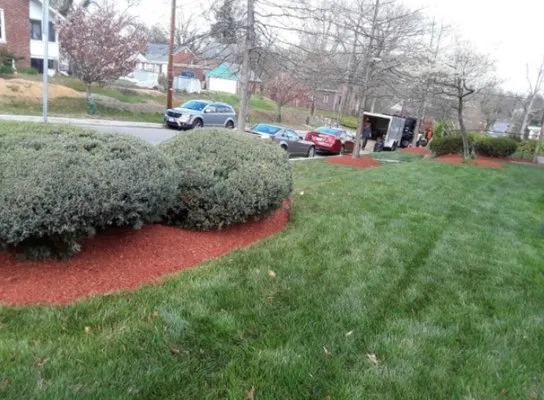
Mclean's Landscaping General Contracting
Mclean's Landscaping General Contracting LLC is a licensed and insured professional landscaping company serving Beltsville, MD, and the surrounding area. We specialize in transforming outdoor spaces w...
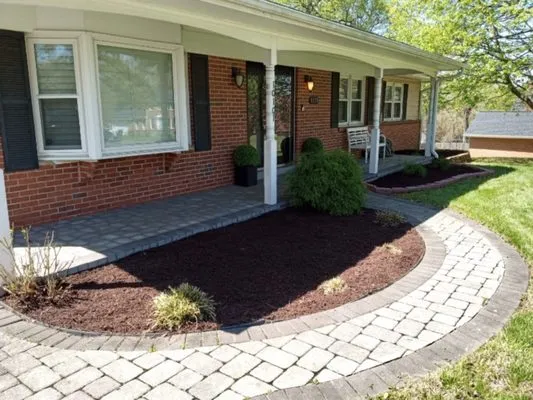
Miguel Laguna Lawn Services is your local partner for a healthy, vibrant yard in Lanham, MD. We provide professional gardening and lawn care focused on your property's specific needs. Our approach com...

Quality Landscaping is a trusted, full-service landscaping company serving New Carrollton, MD, and the surrounding areas. We specialize in lawn care, demolition services, and fence and gate installati...
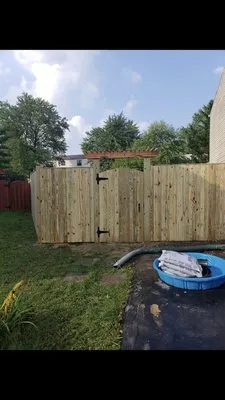
E & L Landscaping is a full-service landscaping company serving homeowners in Landover Hills, MD, and the surrounding areas. We specialize in solving the common local landscaping challenges that can a...
Estimated Landscaping Service Costs in Greenbelt, MD
Question Answers
What is the best way to water my lawn?
Water deeply and infrequently. This encourages deep root growth, making your lawn more drought tolerant. Aim for 1 to 1.5 inches of water per week, including rainfall. Water early in the morning to reduce evaporation and fungal disease. Use a rain gauge to ensure you are not overwatering. Adjust your schedule based on recent rainfall and temperature.
What is the best way to control weeds in my lawn?
A healthy, dense lawn is the best defense against weeds. Proper mowing, watering, and fertilization will crowd out most weeds. For broadleaf weeds like dandelions and clover, a spot treatment with a selective herbicide is effective. Apply it when weeds are actively growing. For grassy weeds like crabgrass, a pre-emergent herbicide applied in early spring is necessary.
What is the best way to mow my lawn?
Mow high. Keep your grass at a height of 3 to 3.5 inches. This shades the soil, helps retain moisture, and discourages weed growth. Never remove more than one-third of the blade length at a time. Keep your mower blades sharp. A clean cut prevents tearing and reduces stress on the grass. Always leave clippings on the lawn as they return valuable nitrogen.
How should I prepare my lawn for the season?
Now is the time for core aeration and overseeding. The soil has been dormant and is ready for repair. Aerating will relieve compaction, allowing water and nutrients to penetrate deeper and strengthen roots. Overseeding will fill in bare spots, giving you a thicker, healthier lawn. Apply a pre-emergent herbicide to control crabgrass and other weeds.
What is the best way to deal with lawn thatch?
A thin layer of thatch (half an inch or less) is beneficial. It acts as mulch, protecting the soil. If it becomes thicker, it can prevent water, air, and nutrients from reaching the roots. The solution is core aeration, which physically removes plugs of soil and thatch. This process also helps to break up the thatch layer and allows for better decomposition. Dethatching with a power rake is a more aggressive option for severe cases.
What is the best way to repair my lawn after a problem?
First, address the cause. If it was disease, ensure you are watering correctly. For pest damage, treat the issue. To repair, rake away any dead material and loosen the top inch of soil. Sprinkle grass seed over the area and lightly rake it in. Cover with a thin layer of straw or peat moss to retain moisture and protect the seed. Water gently and frequently until the new grass is established.
What is the best way to fertilize my lawn?
First, get a soil test. This will tell you exactly what nutrients your lawn needs. Apply a slow-release, granular fertilizer according to the directions on the bag. A balanced formula (like 10-10-10) is a good choice. Fertilize in the fall, as this is the most important time for root growth. Avoid over-fertilizing, as this can harm your lawn and the environment.
What is the best way to control pests in my lawn?
Identify the pest first. Grubs are a common problem and can be treated with a curative insecticide. Apply it when grubs are actively feeding near the surface. For surface insects like chinch bugs, an insecticide soap or spray may be sufficient. Always follow the product label instructions. Consider beneficial nematodes for a more natural approach to grub control.
