Top Landscaping Services in Fallston, MD, 21013 | Compare & Call

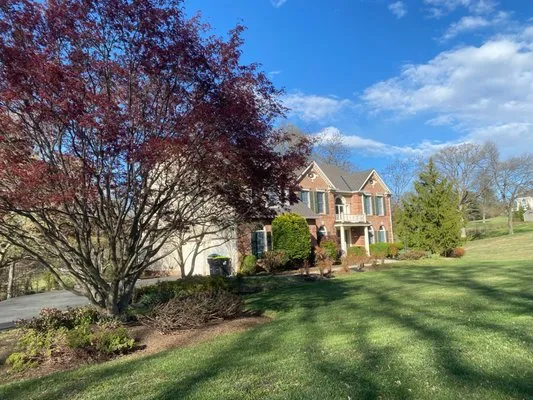
Will Be Green is a Fallston-based landscaping company that blends practical lawn and tree care with artistic vision. Founded on the principle of delivering more value, we saw an opportunity to elevate...
A&M Lawn Care is a locally owned and operated lawn service provider based in Fallston, Maryland, serving Harford County and Baltimore County. We specialize in comprehensive lawn care solutions, includ...

Coby Pools
Coby Pools is a trusted Fallston, MD-based service provider specializing in pool and hot tub care, lawn maintenance, and gutter services. Founded in 2019, we bring a commitment to reliable, profession...

DCI Landscaping
DCI Landscaping is a trusted local landscaping and hardscaping company serving Fallston, MD. With decades of hands-on experience, we specialize in transforming outdoor areas into beautiful, functional...

Harford Tree Experts and Landscaping is a locally owned and operated company based in Fallston, MD, serving Harford County, Baltimore County, and Baltimore City. With Maryland licenses #910 and #1612 ...

SBC Landscaping & Lawn Care is a trusted landscaping contractor serving Fallston, MD, and surrounding areas. With expertise in landscape design, hardscaping, and construction, they specialize in creat...
Third Alarmers Lawn & Landscaping is a trusted, locally-owned landscaping company serving homeowners in Fallston, MD. We understand that many area properties face common challenges like poor yard drai...
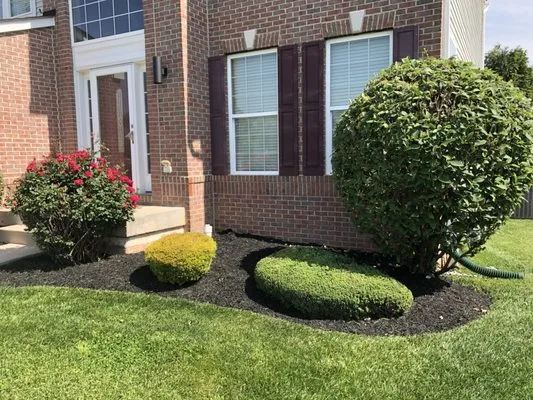
Family Roots Lawn and Landscape is a trusted lawn care provider serving Fallston, MD, and the surrounding Harford County area. We specialize in comprehensive lawn care services designed to address com...

Doc's Lawn Care in Fallston, MD, is a locally owned landscaping business founded by Harry Plack, who combines his academic dedication—currently attending the University of Baltimore as part of the Nat...
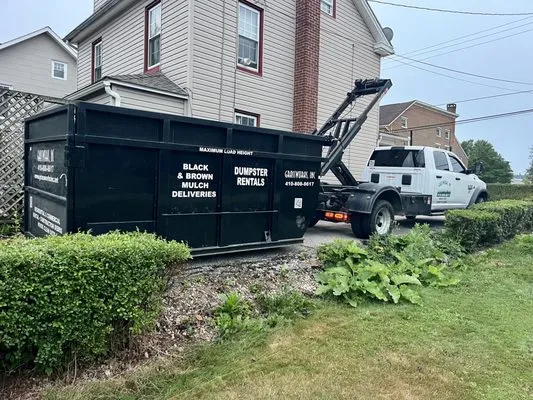
Grassworks is your trusted Fallston, MD partner for dumpster rental and landscaping solutions. We help local homeowners tackle common lawn challenges, like insect damage and patchy grass, by providing...
Frequently Asked Questions
How quickly can you respond to emergency storm damage for HOA compliance in Fallston?
Emergency cleanup crews dispatch from the Fallston Pharmacy intersection at MD-152 and MD-165. Using MD-152 (Fallston Road) with electric utility vehicles avoids noise ordinance restrictions during early response windows. The 25-35 minute peak storm response time accounts for debris clearance on secondary roads in Fallston Heights. Crews prioritize safety zones first, then address visible HOA violations like fallen limbs over sidewalks. All equipment meets 2026 electric fleet standards for 7:00 AM start times.
What permits and licenses are needed for grading my Fallston property?
Grading on 0.75 acre lots requires Harford County Department of Planning and Zoning approval for earth moving exceeding 100 cubic yards. Contractors must hold Maryland Home Improvement Commission (MHIC) licensing for projects over $500, with specific grading endorsements. The permit process includes erosion control plans showing silt fencing placement and stabilized construction exits. For properties near MD-152, additional traffic management plans may be required. Always verify MHIC license status online before hiring, as unlicensed grading can void property insurance during storm events.
Are permeable pavers better than wood decking for my Fallston patio?
Permeable concrete pavers provide 25+ year lifespan versus wood's 10-15 years in Maryland's freeze-thaw cycles. Their 5-8 inch per hour permeability rate manages runoff from 0.75 acre lots without additional drainage infrastructure. In Moderate Fire Wise zones, pavers create defensible space when installed 5+ feet from structures, unlike wood's combustible rating. Pavers maintain surface temperatures 15-20°F cooler than asphalt during peak summer. The interlocking design allows individual replacement if settling occurs, unlike monolithic concrete that cracks with soil movement.
How can I maintain Tall Fescue during Maryland's dry periods without violating water restrictions?
Wi-Fi ET-based weather sensing irrigation calculates exact evapotranspiration rates for Fallston's USDA Zone 7a. Systems deliver 0.75-1.0 inches weekly during peak summer, aligning with voluntary conservation guidelines. Programming deep, infrequent watering at 5:00 AM minimizes evaporation loss by 40%. Soil moisture sensors override schedules when precipitation exceeds 0.25 inches. For Kentucky-31 Tall Fescue, maintain 3-4 inch mowing height to develop deeper root systems that access subsurface moisture during drought stress periods.
What invasive species should I watch for and how do I treat them safely?
Fallston faces Japanese stiltgrass and mile-a-minute vine invasions that outcompete natives. Manual removal before seed set in early August avoids herbicide use during Maryland Fertilizer Use Act blackout dates (June 1-August 31). For established invasions, apply glyphosate spot treatments in October when natives are dormant, using 2% solutions with surfactant. Never apply phosphorus-containing products without soil test documentation of deficiency. Monitor for spotted lanternfly egg masses on Tree-of-Heaven from September through April, reporting finds to Maryland Department of Agriculture.
Should I replace some lawn with native plants to reduce maintenance and noise?
Transitioning 30-50% of Tall Fescue turf to Eastern Redbud, Purple Coneflower, and Switchgrass stands reduces mowing frequency by 60%. Native plantings require no gas-powered blowers after establishment, complying with 2026 noise ordinance trends. These species support 3x more pollinator diversity than monoculture turf. In Fallston's Moderate Fire Wise zones, maintain 30-foot defensible space with low-growing Black-eyed Susan rather than mulch, which can smolder. Properly designed native beds use 75% less irrigation after the second growing season.
What's the best solution for seasonal ponding in my clay-heavy Fallston yard?
Glenelg-Manor soils create perched water tables due to 40-60% clay content in subsurface layers. Install French drains with clean stone aggregate and geotextile fabric at 18-24 inch depth, sloping 1% toward daylight or dry wells. Permeable concrete pavers achieve 5-8 inches per hour infiltration rates, meeting Harford County runoff standards for 0.75 acre lots. Combine with rain gardens planted with Joe Pye Weed at drainage outlets to absorb 30% more stormwater through phytoremediation than conventional systems.
Why does my Fallston Heights yard have such compacted soil that won't drain properly?
Fallston Heights properties built around 1976 have 50-year-old soil profiles. The Glenelg-Manor Channery Silt Loam common here develops severe compaction layers over decades, reducing permeability to 0.1-0.3 inches per hour. This soil requires annual core aeration with 3-4 inch depth penetration to break up clay pans. Incorporate 0.5 cubic yards of compost per 1,000 square feet each spring to rebuild organic matter above 3%. Avoid tilling, which destroys existing soil structure and mycorrhizal networks.
