Top Landscaping Services in Edgemere, MD, 21052 | Compare & Call


DJ Landscaping is a trusted local landscaping company serving Edgemere, MD, and surrounding communities. We specialize in addressing common landscaping challenges faced by homeowners in our area, part...
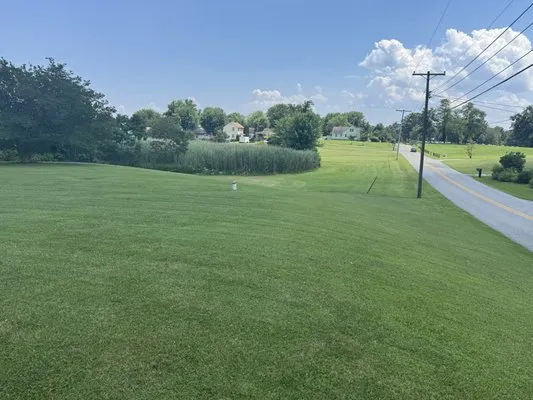
C&P Lawn Service and Pressure Washing is your local Edgemere expert for a vibrant, well-maintained property. We specialize in comprehensive lawn care and powerful pressure washing services. We underst...
Question Answers
How do I treat invasive weeds without violating fertilizer blackout dates?
Japanese stiltgrass and mugwort pose the highest invasive risks in Edgemere's USDA Zone 7b. Manual removal before seed set in early August avoids Maryland Lawn Fertilizer Law restrictions. Spot treatments with iron-based herbicides target broadleaf weeds without phosphorus content. Soil testing determines if fall applications meet nutrient needs within legal windows for Tall Fescue maintenance.
What solutions prevent yard flooding from coastal storms in Edgemere?
Sassafras Sandy Loam's clay subsoil creates poor infiltration during surge events. Installing permeable concrete pavers with 6-8 inches of open-graded aggregate base increases percolation rates by 80-90%. This meets Baltimore County Department of Permits runoff standards while directing water away from foundations. French drains connected to dry wells provide secondary protection for 0.22 acre lots with minimal grading disruption.
What permits and licenses are needed for grading my Edgemere property?
Baltimore County Department of Permits requires grading plans for any disturbance exceeding 5,000 square feet on 0.22 acre lots. Maryland Home Improvement Commission licensing ensures contractors carry proper insurance for excavation near utilities and drainage modifications. Professional landscape architects must seal designs involving retaining walls over 4 feet or regrading that alters natural water flow patterns toward neighboring properties.
Should I replace high-maintenance grass with native plants in Edgemere?
Transitioning Tall Fescue areas to Eastern Redbud, Switchgrass, and Black-eyed Susan reduces mowing frequency from weekly to seasonal. Native plantings require no gas-powered blowers, aligning with evolving noise ordinances while supporting 2026 biodiversity targets. Joe-Pye Weed and Inkberry Holly provide year-round structure with minimal irrigation, cutting water use by 60-70% compared to traditional turf.
How quickly can you respond to storm damage for HOA compliance in Edgemere?
Emergency cleanup crews dispatch from North Point State Park via I-695, reaching most North Point properties within 35-50 minutes during peak conditions. This routing avoids typical coastal surge bottlenecks while maintaining electric equipment compliance with standard decibel ordinances. We prioritize debris removal and turf stabilization to meet HOA visual standards within 24 hours of notification.
Are permeable pavers better than wood for Edgemere patio projects?
Permeable concrete pavers outperform wood in longevity, lasting 25+ years versus wood's 8-12 year lifespan with maintenance. Their non-combustible nature supports NFPA Firewise defensible space requirements in moderate-risk zones. Installation with proper base preparation prevents heaving from clay subsoil expansion, a common issue with Sassafras Sandy Loam. Thermal properties reduce urban heat island effect compared to traditional concrete.
Will smart irrigation keep my lawn healthy during voluntary water conservation?
Wi-Fi ET-based weather sensing irrigation calculates evapotranspiration rates specific to Edgemere's microclimate. This system applies water only when Tall Fescue shows stress indicators, typically reducing usage 30-40% compared to timer-based systems. Programming follows municipal guidelines while maintaining turf density through strategic deep watering cycles. Soil moisture sensors prevent runoff into clay subsoils common in this area.
Why does my Edgemere lawn have such poor drainage and compaction issues?
North Point neighborhood lots established around 1958 have 68 years of soil development on Sassafras Sandy Loam. This soil type naturally develops a restrictive clay subsoil layer that impedes water infiltration. Core aeration with organic amendments like composted leaf mold addresses permeability by breaking up compaction and improving soil structure. The pH range of 6.2-6.8 requires annual testing to maintain optimal nutrient availability for Tall Fescue.
