Top Landscaping Services in Darnestown, MD, 20854 | Compare & Call
There are 116 landscaping companies server in Darnestown MD
DLM LandCare
DLM LandCare, based in Montgomery Village, MD, is a landscape design and lawn care provider focused on transforming outdoor spaces into elegant, functional extensions of the home. The team merges prac...
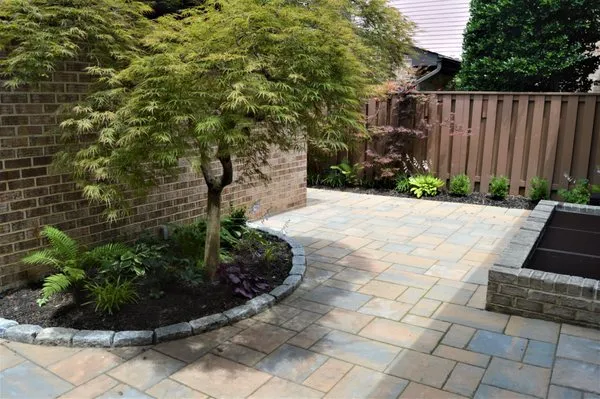
Allentuck Landscaping
For over three decades, Allentuck Landscaping has been a trusted name in Rockville, transforming outdoor spaces with a commitment to sustainable practices. Founded in 1986, we specialize in comprehens...
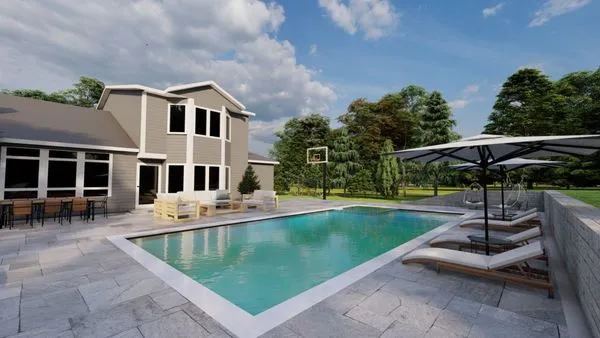
Creations Landscape Design is a North Potomac, MD-based firm specializing in comprehensive landscape architecture and construction. We transform local properties with custom hardscaping, including pat...
Guardians Complete Land Care
Guardians Complete Land Care is your trusted, local expert for transforming Germantown properties. We specialize in comprehensive landscaping, tree care, and irrigation solutions designed to tackle co...
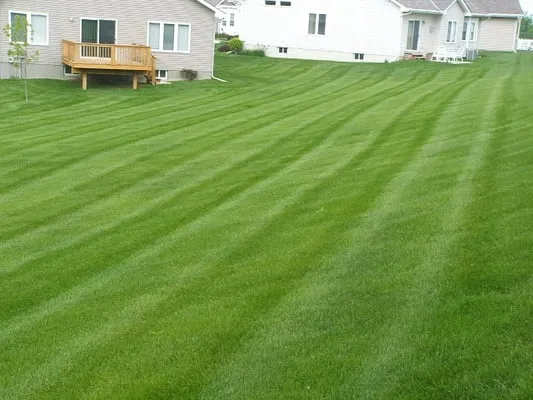
Z and J Landscaping is a family-owned landscaping business based in Germantown, MD, with over 25 years of experience serving residential and commercial properties in the Metro area. We specialize in c...
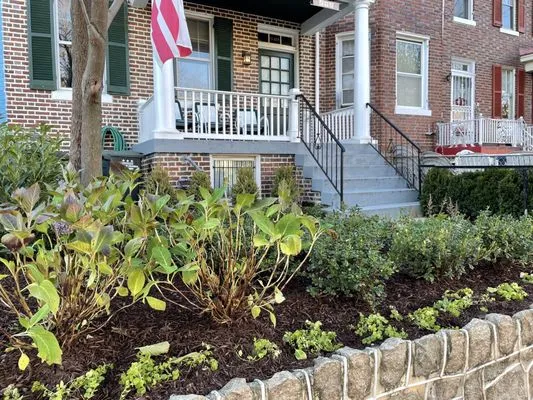
D. A. Dunlevy has been a trusted Poolesville landscaping and construction partner since 1982. Our team specializes in turning your outdoor vision into reality, from initial landscape and irrigation de...
Estimated Landscaping Service Costs in Darnestown, MD
Q&A
What invasive species threaten Darnestown landscapes, and how are they managed?
Japanese stiltgrass and mile-a-minute vine present the highest invasion risk in Quince Orchard Valley, outcompeting natives in Glenelg-Elioak soils. Manual removal before seed set combined with targeted glyphosate applications during dormancy prevents spread without violating Maryland Fertilizer Law blackout dates. Soil testing confirms phosphorus needs before any amendment, while mycorrhizae inoculants strengthen native plant resilience. Regular monitoring catches new infestations before they establish in the 2-acre lot scale.
Why does my Darnestown lawn struggle with compaction and poor drainage after 40 years?
Quince Orchard Valley properties built around 1985 have Glenelg-Elioak Silt Loam soil that has matured over 41 years, developing a dense clay subsoil layer. The pH range of 5.5-6.2 indicates acidic conditions that limit nutrient availability for turfgrass. Core aeration every 1-2 years is essential to improve soil percolation, while incorporating 0.5 inches of compost annually addresses organic matter depletion. These amendments counteract the natural compaction cycle of silt loam soils in USDA Zone 7b.
What solutions exist for persistent runoff issues on my sloped property?
Glenelg-Elioak's high clay content creates moderate runoff that requires engineered drainage solutions. Permeable clay pavers installed with 6-8 inches of gravel base achieve 3-5 inches per hour infiltration rates, meeting Montgomery County Department of Permitting Services standards for stormwater management. French drains connected to dry wells provide additional capacity, while grading adjustments direct water away from foundations. These systems work synergistically to mitigate erosion in Quince Orchard Valley's topography.
Are permeable pavers better than wood for durable, low-maintenance patios?
Permeable clay pavers offer 50+ year lifespans versus wood's 15-20 years, with zero rot or insect damage concerns. Their 8-10% void space manages runoff while meeting Low Fire Wise Rating requirements for defensible space in suburban-rural interfaces. Unlike wood's annual maintenance, pavers need only occasional joint sand replenishment and resist frost heave in Zone 7b winters. This material choice reduces long-term replacement costs while maintaining permeability standards for Montgomery County compliance.
How can I reduce maintenance while supporting local biodiversity?
Replacing high-input turf areas with Eastern Redbud, Purple Coneflower, Switchgrass, and Swamp Milkweed creates habitat corridors that exceed 2026 biodiversity benchmarks. These natives require no fertilization under Maryland's phosphorus restrictions and thrive in Zone 7b's climate without irrigation once established. Electric maintenance equipment operates below 75 dBA limits, eliminating gas-blower noise while supporting Montgomery County's transition to sustainable landscaping. This approach cuts mowing frequency by 60% while providing year-round ecological function.
What permits and licenses are required for major landscape renovations?
Grading or drainage work on 2-acre lots requires Maryland Home Improvement Commission licensing for contractors, ensuring proper bonding and insurance coverage. Montgomery County Department of Permitting Services issues permits for retaining walls over 4 feet, irrigation system installations, and any work affecting stormwater management. These regulations protect against improper grading that could redirect runoff to neighboring Quince Orchard Valley properties. Always verify MHIC license # prefixes match your contractor's documentation before commencing work.
How quickly can you respond to emergency storm damage for HOA compliance?
Emergency cleanup crews dispatch from Darnestown Village Center via MD-28, maintaining a 45-60 minute peak response time for downed limbs or flooding. We prioritize routes through Quince Orchard Valley to address immediate safety hazards while meeting Montgomery County's 75 dBA noise limits with electric equipment. This timing ensures compliance with neighborhood covenants while preventing secondary damage to structures or irrigation systems.
Can I maintain Tall Fescue turf during summer without violating water restrictions?
Wi-Fi ET-based weather sensing controllers automatically adjust irrigation to actual evapotranspiration rates, reducing water use 20-30% while preserving Kentucky-31 or Turf-Type Tall Fescue. Darnestown's Stage 0 water status permits efficient watering, but these systems preemptively stay within municipal limits by tracking soil moisture and rainfall. Properly calibrated controllers deliver 1-1.5 inches weekly during peak demand, preventing drought stress without overwatering clay subsoils.
