Top Landscaping Services in Brown Station, MD, 20772 | Compare & Call

There are 169 landscaping companies server in Brown Station MD
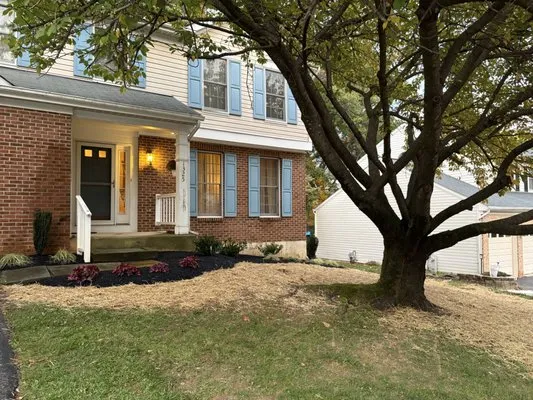
Ridleys Landscaping has been a trusted name in Baltimore for over three decades, providing reliable property solutions for both residential and commercial clients. Our focus is on crafting unique, cus...
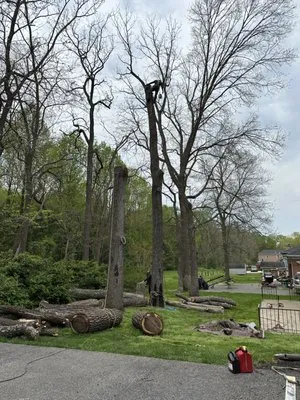
KJA Landscaping is a local, family-owned business in Brooklyn, MD, with over 15 years of experience in both residential and commercial services. We specialize in comprehensive tree care, from pruning ...
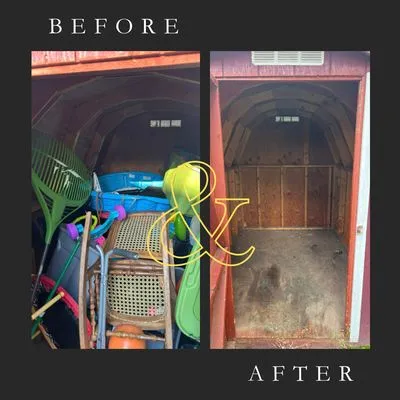
Terrapin Trash Removal is a locally owned and operated business founded by a Baltimore entrepreneur who saw a need for straightforward, reliable cleanup services. We specialize in junk removal, light ...
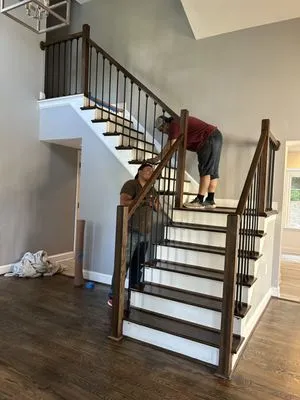
MR Landscaping is a Baltimore-based landscaping and demolition company founded by an owner with years of hands-on experience in the field. After recognizing a need for quality, dedicated service, they...
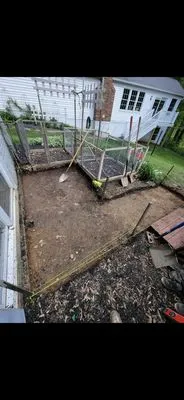
Landscaping Quality Services is a Glen Burnie-based company dedicated to delivering reliable, high-quality landscaping and masonry solutions. We are committed to being transparent and ensuring every p...
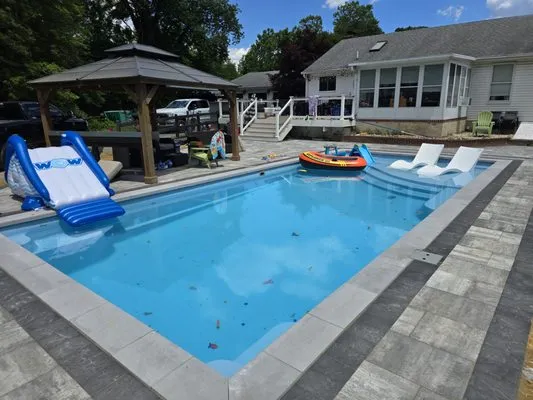
BMA - Fiberglass Pools & Patios
Brian founded BMA Fiberglass Pools & Patios in 2016, building on over a decade of landscaping experience in Baltimore. His passion for quality craftsmanship and personalized service led him to special...
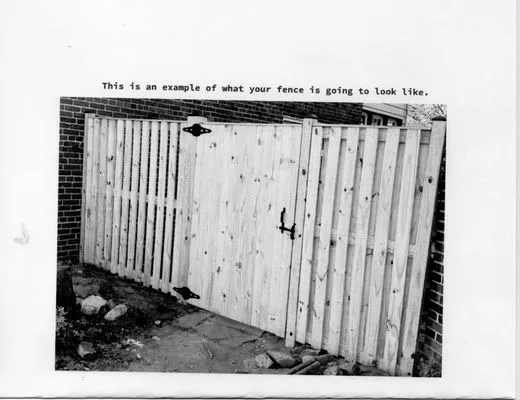
Manuel Construction Services brings over a decade of dedicated experience to Silver Spring, MD, building a reputation on reliability and clear communication. We focus on delivering lasting results for...
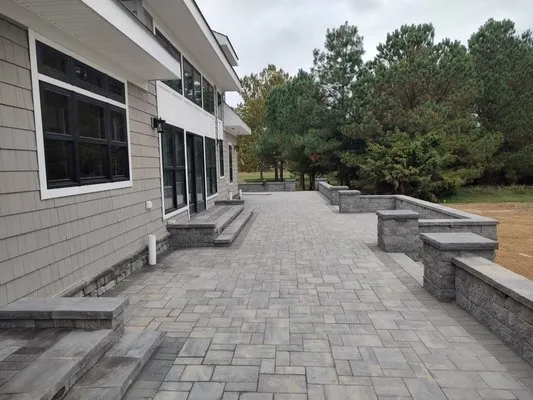
Root & Stone is a custom design/build company in Severna Park, MD, dedicated to transforming outdoor spaces into personalized living areas. Founded by professionals with backgrounds in landscape archi...

Founded in 1981 by Bob Carr, TLC in Gambrills began as a small, dedicated residential irrigation service. Over more than four decades, Bob and his skilled team have grown the company into a respected ...
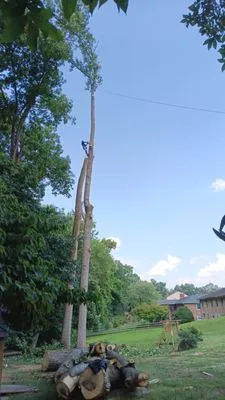
For over two decades, West Tree Services has been caring for Severn's trees and landscapes. As a locally owned and operated business, we understand the specific needs of our community, from managing m...
Estimated Landscaping Service Costs in Brown Station, MD
Common Questions
What permits and licenses are required for grading my 0.35-acre property?
Grading projects exceeding 5,000 square feet on 0.35-acre lots require erosion and sediment control plans approved by Prince George's County Department of Permitting, Inspections and Enforcement. Contractors must hold Maryland Home Improvement Commission (MHIC) licensing for earthwork exceeding $1,000 in value. Specialized grading licenses ensure proper compaction testing and drainage calculations for Sassafras Sandy Loam's specific permeability characteristics. Unlicensed grading can result in fines up to $5,000 and mandatory restoration orders.
What solutions address moderate runoff issues in my Brown Station yard?
Seasonal high water tables in Sassafras Sandy Loam require integrated drainage strategies. Permeable concrete pavers installed with proper base materials allow 3-5 inches per hour of water infiltration, meeting Prince George's County runoff standards. French drains connected to dry wells provide subsurface drainage during peak saturation periods. Grading adjustments of just 2% slope away from foundations redirect surface water while preserving existing tree root zones. These approaches work synergistically to manage the moderate runoff hazard.
Are permeable pavers better than wood decking for my outdoor living space?
Permeable concrete pavers offer 25+ year durability with minimal maintenance, compared to wood's 10-15 year lifespan requiring regular sealing. Their non-combustible nature contributes to defensible space in Moderate Firewise-rated communities. Installation over a gravel base creates natural drainage that prevents pooling on Sandy Loam soils. Unlike wood, pavers don't require chemical treatments that can leach into groundwater. Their modular design allows for future reconfiguration as landscape needs evolve.
Why does my lawn in Brown Station Historic District have drainage issues despite regular care?
Properties built around 1989 in this neighborhood have Sassafras Sandy Loam soil that has matured for approximately 37 years. This soil type naturally develops compaction layers that restrict water percolation and root penetration. Core aeration every 1-2 years is essential to break up these layers and improve soil structure. Adding organic amendments like composted leaf mulch increases water retention while maintaining the optimal pH range of 6.2-6.5 for turf health.
How quickly can you respond to an emergency tree cleanup after a storm in Brown Station?
Our electric fleet dispatches from Brown Station Park within 15 minutes of notification, traveling via MD-214 (Central Avenue) to reach most properties in 25-35 minutes during peak conditions. This rapid response meets HOA compliance deadlines while adhering to noise ordinances that prohibit gas-powered equipment from 9 PM to 7 AM. We maintain specialized equipment for immediate debris removal and structural assessment to prevent secondary damage.
Can I maintain Tall Fescue turf while following WaterSense conservation guidelines?
Wi-Fi ET-based weather sensing irrigation systems precisely match water application to actual evapotranspiration rates, reducing water use by 20-30% compared to traditional timers. These systems automatically adjust for rainfall, humidity, and temperature variations specific to USDA Zone 7b. Programming separate zones for turf versus planting beds optimizes moisture delivery while staying within municipal water limits. Regular system audits ensure uniform distribution and prevent runoff from the sandy loam soil.
How should I manage invasive species without violating fertilizer blackout dates?
Japanese stiltgrass and garlic mustard present significant invasion risks in Brown Station's disturbed soils. Mechanical removal before seed set in late summer prevents spread without chemical intervention. Spot treatments with approved herbicides can be applied outside the November 15-March 1 blackout period when plants are actively growing. Soil testing determines if phosphorus supplementation is necessary under Maryland's Lawn Fertilizer Law. Healthy native plant communities naturally resist invasion through competitive exclusion.
What landscape alternatives reduce maintenance while supporting local ecology?
Transitioning high-maintenance turf areas to native plantings like Monarda fistulosa, Asclepias tuberosa, Panicum virgatum, and Echinacea purpurea creates biodiverse habitats requiring minimal inputs. These species have deep root systems that improve soil structure and drought tolerance in Zone 7b. Electric maintenance equipment operates below 70 dB at property lines, complying with noise ordinances while eliminating emissions. This approach aligns with 2026 biodiversity standards and reduces seasonal maintenance by 40-60% compared to traditional turf.
