Top Landscaping Services in Bel Air North, MD, 21014 | Compare & Call
There are 185 landscaping companies server in Bel Air North MD
Funky Bunch Landscaping serves Bel Air, MD, with practical, expert solutions for the area's most common yard challenges. We specialize in tackling yard drainage problems and soil compaction, issues th...
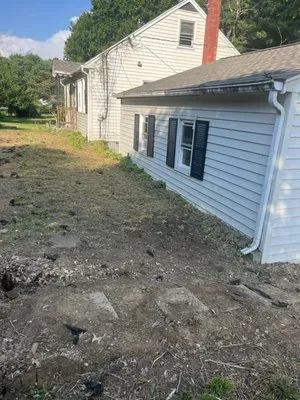
BDF Mowing is a trusted lawn care provider serving Joppatowne, MD, specializing in comprehensive lawn maintenance and solutions for common local landscaping challenges. We understand that Joppatowne h...
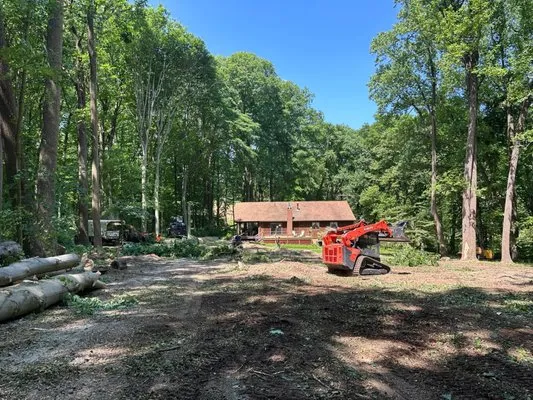
Blanford's Tree Service is a family-owned tree care and landscaping company serving Colora, MD, and surrounding Cecil County communities. Founded after the owner's relocation to the area, we bring a p...
JBJ Lawn Mowers & Landscaping
JBJ Lawn Mowers & Landscaping is your trusted local partner in Havre De Grace, MD, specializing in landscaping and outdoor power equipment services. We understand that local homeowners often face chal...

DS Landscaping is a trusted local landscaping company serving Edgewood, MD, and surrounding communities. We specialize in addressing common residential landscaping challenges faced by homeowners in ou...
Estimated Landscaping Service Costs in Bel Air North, MD
Common Questions
Our yard has trouble growing things. Could the soil history of our neighborhood be a factor?
Properties in Bel Air North, developed around 1992, have 34-year-old landscapes. This timeline means established soil profiles of Glenelg Silt Loam, which naturally has good structure but can become compacted over decades. A common issue is reduced permeability from years of foot traffic and standard maintenance, leading to poor root development. Core aeration and incorporating compost are critical to counteract this compaction and improve the soil's organic matter, which supports healthier turf and plantings.
A storm damaged trees on our property and we need an emergency cleanup. How quickly can a crew arrive?
For urgent storm response, a licensed crew can typically be dispatched from a central location like Rockfield Park. Using MD-24, travel to most addresses in Forest Hill or Bel Air North is 20-30 minutes during peak hours. The crew will assess safety hazards first, such as hanging limbs, and begin clearing access routes. All equipment used complies with the local noise ordinance, allowing work within the 7:00 AM to 9:00 PM window.
Is using flagstone and permeable pavers better than wood for a new patio?
Permeable concrete pavers and flagstone offer superior longevity and lower maintenance than wood, which decays and requires sealing. These materials manage runoff on-site, a key consideration for local drainage. Their non-combustible nature also supports the Firewise USA community standards by creating a defensible space zone near the home. The initial investment is offset by decades of service without replacement costs associated with wood or composite materials.
We've spotted invasive vines. How should we handle them without harming other plants?
For common invasives like English Ivy or Porcelainberry, manual removal is most effective for immediate control. Apply a targeted, systemic herbicide to cut stems in late summer or fall, strictly following label instructions to protect desirable plants. This strategy avoids the restricted application periods under the Maryland Fertilizer Use Act. Always dispose of plant material in the trash, not compost, to prevent re-establishment.
We want to reduce mowing and gas equipment noise. What are effective alternatives to grass?
Transitioning to a landscape dominated by Maryland natives like Switchgrass, Butterfly Milkweed, and New England Aster significantly cuts maintenance. These plants require no weekly mowing, minimal watering once established, and support local pollinators. This shift aligns with evolving community standards that favor electric equipment to comply with noise ordinances. A designed meadow or shrub border also contributes to the community's Firewise USA rating by creating defensible space with less flammable, living material.
We're planning a major backyard renovation with new grading. What permits and contractor credentials are required?
Significant grading on a 0.45-acre lot typically requires an erosion and sediment control plan approved by the Harford County Department of Planning and Zoning. The contractor must be licensed by the Maryland Department of Agriculture, which regulates landscape professionals. This licensing ensures they understand soil management, plant health, and legal application of materials. Always verify this credential and confirm the contractor will pull the necessary county permits before work begins.
Our yard gets soggy and stays wet for days after rain. What's a long-term solution?
Seasonal saturation is typical in Glenelg Silt Loam due to its moderate permeability. A primary solution involves redirecting runoff with French drains or dry creek beds that channel water away from foundations. Replacing impervious surfaces with permeable concrete pavers also increases ground absorption, helping meet Harford County's stormwater management standards. Correcting the grade to ensure a minimum 2% slope away from structures is often the foundational step.
How can we keep our Tall Fescue lawn green during summer without violating water conservation rules?
Maryland's voluntary conservation standards are best met with smart irrigation technology. An ET-based system uses local weather data to apply only the water lost to evaporation and plant transpiration. This method can reduce water use by 20-30% compared to traditional timers. For Tall Fescue in Zone 7b, deep, infrequent watering early in the morning encourages drought-tolerant roots. This approach maintains turf health while staying well within municipal guidelines.
