Top Landscaping Services in Wrentham, MA, 02070 | Compare & Call


Simply Safer Premium Lawn Care
Simply Safer Premium Lawn Care is a locally owned and operated company dedicated to serving the lawns and landscapes of Wrentham, MA, and surrounding areas in Eastern Massachusetts and Rhode Island. O...
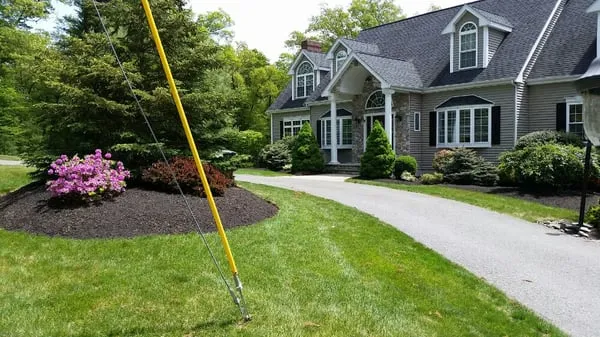
Fenway Landscaping has been a trusted local provider in Wrentham, Massachusetts, since 2011, offering comprehensive landscaping, tree care, and snow removal services to both residential and commercial...
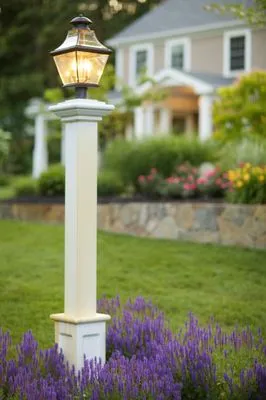
Landscape America
Landscape America is a full-service landscaping company based in Wrentham, MA, founded in 2006 by brothers Doug and Andy McDuff. With over 100 professionals during peak seasons, they specialize in lan...

David Brown, the owner and lead climber of Old Time Tree Cutter, has been serving Wrentham and surrounding towns since 1988. Growing up in nearby Medfield and a graduate of Norfolk County Agricultural...
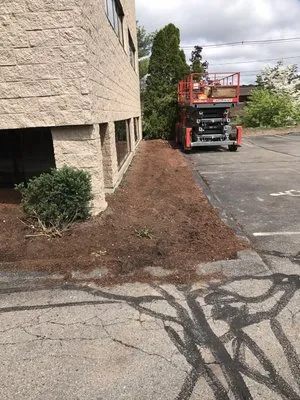
Custom Scapes Landscape Services is a Wrentham-based landscaping company founded in 2007 by owner John L. After attending the Green School at UMass Amherst, John built his business on a foundation of ...

P M Ferris Land Clearing is a Wrentham-based land clearing and site preparation service dedicated to creating a healthy foundation for local properties. We understand the common local frustrations of ...

Bianculli Brothers Landscaping is a trusted, family-owned landscaping company serving Wrentham, MA, and the surrounding communities. We specialize in comprehensive landscape solutions, including const...
MacDonald Landscaping has been beautifying Wrentham, MA properties for years, specializing in designs that thrive in our local environment. A common challenge for homeowners here is dealing with soil ...
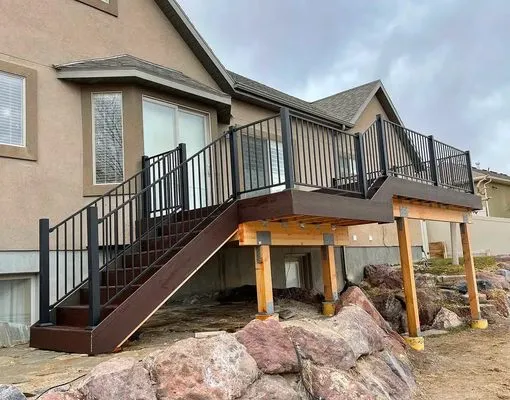
Acadia Outdoors is a Wrentham-based contractor dedicated to creating exceptional outdoor living spaces for homeowners in Southeastern Massachusetts and Northern Rhode Island. We specialize in custom d...

Salus Property Management is a licensed and insured Wrentham landscaping provider dedicated to enhancing residential and commercial outdoor spaces. Their team combines horticultural expertise with a p...
Question Answers
What permits and licenses are needed for grading my 0.75-acre lot?
Grading projects exceeding 100 cubic yards of earth movement require an earth removal permit from the Wrentham Planning & Economic Development Department, with erosion control plans showing silt fencing and stabilization measures. Massachusetts Division of Occupational Licensure mandates a Construction Supervisor License for any grading altering drainage patterns or creating slopes over 10%. Professionals must carry $500,000 minimum liability insurance for properties in wildland-urban interface zones. The permit process includes soil compaction testing to ensure final grades meet 95% Proctor density standards for structural stability. Always verify contractor licensing through the state's online verification portal before work begins.
Can I maintain Kentucky bluegrass during Stage 1 water restrictions?
Wi-Fi ET-based weather sensing irrigation systems automatically adjust schedules using real-time evapotranspiration data from the Blue Hill Observatory, reducing water use 20-30% while preserving turf health. These systems calculate precise runtime based on soil moisture sensors in your acidic sandy loam, preventing both underwatering and the runoff common with high water tables. Programming separate zones for Kentucky bluegrass/fine fescue blends versus native plant areas optimizes each plant type's needs. Monthly system audits check for leaks and distribution uniformity to maximize efficiency within voluntary conservation guidelines.
Why does my Wrentham Center lawn struggle despite regular care?
Wrentham Center properties built around 1980 have acidic sandy loam soil that has matured for 46 years, developing compaction from decades of foot traffic and organic matter depletion. This soil type naturally has low nutrient retention and poor structure, requiring core aeration every 2-3 years to improve oxygen flow to roots. Incorporating 2-3 inches of composted leaf mold or pine bark fines increases water-holding capacity while maintaining the optimal pH 5.5-6.2 range for acid-loving natives like sweet pepperbush. Soil testing through UMass Extension every 3 years guides precise amendments without disrupting the established microbial community.
How quickly can you respond to storm damage for HOA compliance?
Emergency cleanup crews dispatch from the Wrentham Town Common area, taking I-495 to reach most Wrentham Center properties within 25-35 minutes during peak conditions. Our electric maintenance fleet operates within the 7:00 AM to 7:00 PM noise ordinance window, using battery-powered chippers and sweepers for immediate debris removal. We prioritize safety assessments of compromised trees over cosmetic cleanup, particularly for properties near the wildland-urban interface. Documentation for HOA compliance includes timestamped arrival photos and storm damage reports submitted within 24 hours.
How do I control invasive species without violating fertilizer regulations?
Early spring monitoring identifies invasive threats like Japanese knotweed or oriental bittersweet before they establish in Wrentham's acidic soils. Targeted glyphosate applications during active growth phases avoid Massachusetts Plant Nutrient Management Regulations blackout dates (typically December-February). Mechanical removal followed by solarization with clear plastic sheeting creates soil temperatures lethal to invasive roots without chemical use. Replanting cleared areas with aggressive natives like sweet pepperbush prevents reinvasion while supporting local pollinators. Always document treatment dates and methods for potential regulatory review.
What solutions prevent frost heave damage to my landscape?
High seasonal water tables in Wrentham's acidic sandy loam require subsurface French drains with clean washed stone and geotextile fabric to redirect groundwater away from foundations. Permeable clay pavers installed with open-graded aggregate bases provide 30-40% better surface infiltration than traditional asphalt, meeting Wrentham Planning Department runoff standards. Grade adjustments of 2% slope away from structures combined with dry creek beds using local granite cobblestone address both drainage and aesthetic concerns. These systems prevent frost heave by keeping soil consistently drained before freeze-thaw cycles begin.
Should I replace high-maintenance turf with native plants?
Transitioning 30-50% of Kentucky bluegrass areas to layered plantings of eastern redbud, butterfly weed, little bluestem, and New England aster reduces mowing frequency from weekly to seasonal, cutting fossil fuel use 60-70%. This approach aligns with 2026 biodiversity standards while creating habitat corridors between Wrentham Center properties. Electric maintenance equipment meets evolving noise ordinances restricting gas-powered blowers, with native plantings requiring only annual pruning rather than weekly care. Deep-rooted natives like little bluestem improve soil structure and drought resilience better than shallow turfgrass roots.
Are granite cobblestones better than wood for patio materials?
Granite cobblestones offer 50+ year durability versus wood's 15-20 year lifespan, with zero maintenance beyond occasional power washing. Their non-combustible nature contributes to defensible space requirements in Wrentham's moderate fire-wise rating zones, unlike wood decks that create fuel ladders. Permeable installation methods using angular stone dust joints allow 8-10 inches per hour infiltration rates, crucial for managing the area's high water table. Thermal mass properties moderate temperature extremes, reducing heat island effect compared to synthetic materials. Local quarry sourcing minimizes transportation carbon footprint while supporting regional geology.
