Top Landscaping Services in Wilmington, MA, 01887 | Compare & Call
There are 207 landscaping companies server in Wilmington MA
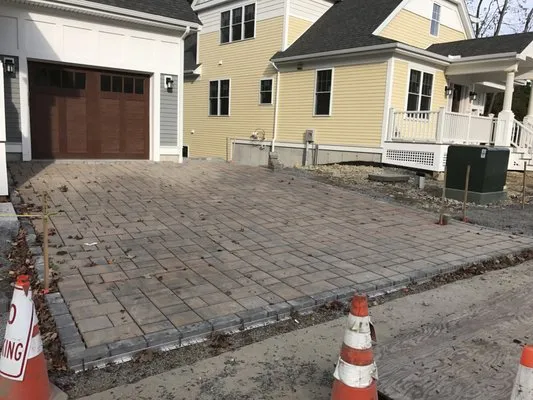
Tibur Landscaping and Irrigation
Tibur Landscaping and Irrigation has been serving Woburn, MA, and surrounding communities since 1983, building on Joe Tibur's lifelong dedication to landscaping that began in his teenage years. Our ex...
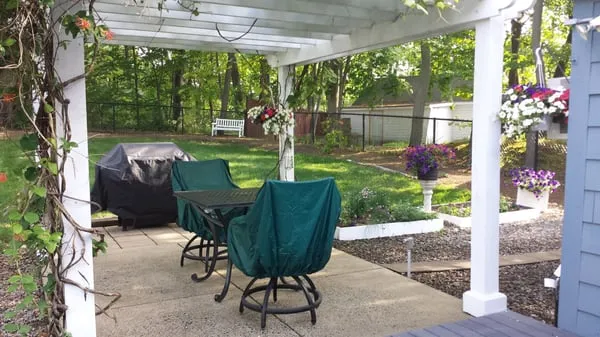
Dave's Home Services is a trusted, locally-owned business serving Reading, MA, and the surrounding communities. We provide essential services designed to keep your property safe, clean, and well-maint...
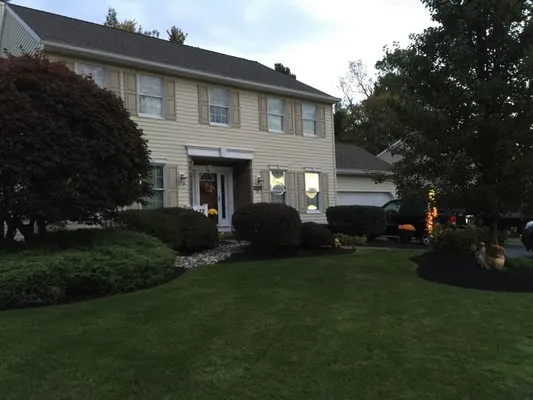
Lawn Dawg is a trusted lawn care provider serving Woburn, MA, specializing in comprehensive lawn maintenance and repair solutions. We understand that local homeowners frequently face challenges like b...
Franco Bonanno Landscaping Masonry & More is a Woburn-based contractor specializing in comprehensive landscaping and masonry services. For homeowners in the area dealing with common issues like patchy...
AJM Grounds is a licensed and trusted landscaping contractor serving Woburn, Stoneham, and Lexington. For years, our team has built a reputation for reliable, quality work that enhances both residenti...
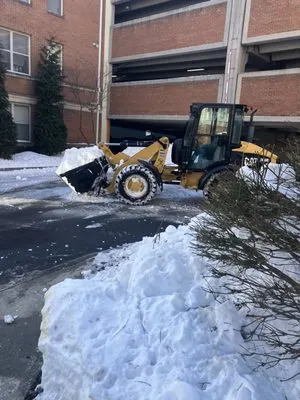
Cunniff Landscape is a trusted local landscaping company serving Woburn, MA, and the surrounding communities. We specialize in addressing common homeowner challenges like sprinkler leaks and yard drai...

DB Lawncare and Landscape is a trusted, fully insured landscaping and tree service company serving Reading, MA, and surrounding areas. With a focus on reliability and quality, they specialize in compr...
O'Keefe Landscaping is a trusted, locally-owned landscaping company serving North Reading, MA, and the surrounding area. They understand the specific challenges homeowners face in this region, includi...
All Star Landscaping has been a trusted Wilmington, MA, partner for landscape care since 1999. Our team provides comprehensive solutions for homes and businesses, from initial design and installation ...
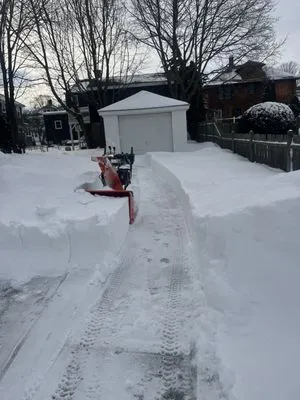
Miranda's Snow Lawn Care is a dedicated, family-owned business serving Wilmington, MA, and the surrounding communities. We understand the unique challenges of New England properties, from summer droug...
Estimated Landscaping Service Costs in Wilmington, MA
Common Questions
Can I maintain healthy turf while following Wilmington's water restrictions?
Stage 1 voluntary conservation allows efficient irrigation when paired with smart Wi-Fi soil moisture sensors. These devices monitor real-time evapotranspiration rates and soil moisture at 6-inch depth, triggering irrigation only when Kentucky bluegrass and fine fescue blends reach 50% depletion. Programming based on USDA Zone 6b ET data reduces water use 30-40% while maintaining turf health. Weekly deep watering at dawn optimizes absorption before daily heat stress.
What permits and licenses are needed for grading my 0.35-acre property?
Grading projects altering more than 1,000 square feet require Wilmington Planning & Conservation Department review for erosion control compliance. Massachusetts Board of Registration of Landscape Architects licensing is mandatory for designs involving retaining walls over 4 feet or drainage systems affecting neighboring properties. On 0.35-acre lots, even modest grading can trigger wetland buffer zone regulations if within 100 feet of resource areas. Professional surveying establishes accurate elevation benchmarks before excavation begins.
What invasive species should I watch for and how do I treat them safely?
Wilmington faces Japanese knotweed, garlic mustard, and oriental bittersweet invasions that outcompete native vegetation. Manual removal before seed set in early spring prevents spread without chemical intervention. For persistent infestations, targeted glyphosate applications in fall follow Massachusetts Department of Agricultural Resources phosphorus-free requirements. Avoid treatments during blackout dates preceding rainfall events to prevent runoff into Wilmington's sensitive watershed areas.
What solutions work for seasonal saturation in Wilmington's high water table areas?
Acidic sandy loam's limited permeability exacerbates Wilmington's natural high water table issues. Installing French drains with clean stone aggregate creates subsurface drainage channels that redirect water away from foundations. Permeable concrete pavers or granite cobblestone hardscapes meet Wilmington Planning & Conservation Department runoff standards by allowing 8-10 inches per hour infiltration. Grading adjustments with 2% slope ensure positive drainage without requiring extensive permitting for most residential applications.
Why does my Wilmington Center lawn have drainage issues and poor grass growth?
Wilmington Center properties built around 1974 have 52-year-old soil profiles. Acidic sandy loam with pH 5.5-6.2 naturally develops compaction layers over decades, reducing permeability to 0.5 inches per hour. Core aeration every 2-3 years with compost topdressing increases organic matter above 3% to improve water infiltration. Soil testing through UMass Extension confirms specific amendment needs for your lot's microclimate.
Are concrete pavers better than wood for Wilmington patio installations?
Concrete pavers provide superior longevity with 25+ year lifespans versus wood's 10-15 years in Zone 6b freeze-thaw cycles. Their non-combustible nature supports Moderate Fire Wise ratings by creating defensible space around structures. Properly installed with polymeric sand joints, pavers resist frost heave common in Wilmington's seasonal saturation conditions. Granite cobblestone offers similar benefits with higher permeability rates for areas with drainage concerns.
How quickly can you respond to storm damage for HOA compliance?
Emergency cleanup crews dispatch from the Town Common area within 25 minutes during normal conditions. Using I-93 access, we maintain 40-minute peak storm response times to Wilmington Center neighborhoods. Our electric equipment fleet operates within noise ordinance hours starting at 7:00 AM for immediate debris removal. Documentation for insurance claims and HOA compliance is provided within 24 hours of service completion.
How can I reduce maintenance while preparing for electric equipment requirements?
Transitioning high-maintenance turf areas to native plantings creates ecological benefits while reducing gas equipment dependence. Eastern redbud, highbush blueberry, New England aster, and Joe-Pye weed establish deep root systems that require minimal irrigation after establishment. These natives support local pollinators while creating naturalistic landscapes that need only seasonal attention. The transition aligns with coming noise ordinance adjustments favoring electric equipment during restricted hours.
